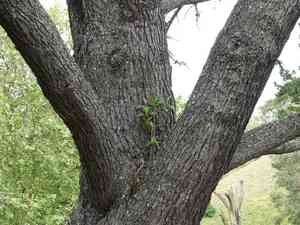
Moreton bay fig (Ficus macrophylla)
Also known as: Moreton Bay Fig, Australian Banyan
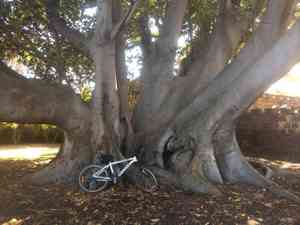
The Moreton Bay fig (Ficus macrophylla) is a large evergreen tree, typically reaching heights between 15 and 35 meters (50 to 115 feet) and spreading 20 to 30 meters (65 to 100 feet) wide. It has a lifespan exceeding 150 years and grows about 60 to 90 centimeters (2 to 3 feet) annually. The tree flowers in summer with small, inconspicuous blooms, and produces edible figs that ripen to a purple color in the fall. It thrives in full sunlight and requires considerable space to grow.
Attributes of Moreton bay fig
Images of Moreton bay fig
Quickly Identify Moreton bay fig
Scientific Classification of Moreton bay fig
Planting and Growing of Moreton bay fig
 How to Water Moreton bay fig?
 What Are the Sunlight Requirements for Moreton bay fig?
 What Is the Ideal Temperature Range for Moreton bay fig?
 What Soil is Best for Moreton bay fig?
 How to Fertilize Moreton bay fig?
 How to Prune Moreton bay fig?
 How to Propagate Moreton bay fig plant?
 How to Repot Moreton bay fig plant?
Toxicity of Moreton bay fig
Is Moreton bay fig toxic to humans?
The Moreton Bay fig presents a slight toxicity risk to humans, mainly through exposure to its sap. When this sap comes into contact with the skin, it may trigger allergic reactions, which can present as dermatitis or various skin irritations. In cases where the sap is ingested, it can result in gastrointestinal discomfort, with symptoms including nausea, vomiting, and diarrhea. Although the toxicity level is mild, suggesting that while symptoms might be unpleasant, they are generally not life-threatening, it is important to exercise caution to prevent accidental ingestion of the sap. Furthermore, individuals should be mindful when handling the plant to avoid skin contact with the toxic sap.
Is Moreton bay fig toxic to cat?
The Moreton Bay fig has been recognized for possessing a mild toxicity level that poses risks to cats. These animals can become poisoned either by direct contact with or through the inadvertent ingestion of the plant's sap. Following exposure, affected felines may display signs of physical distress, necessitating careful observation. Should poisoning occur, it is crucial to obtain immediate veterinary assistance to secure appropriate treatment and care for the cat's well-being.
Is Moreton bay fig toxic to dog?
The Moreton Bay fig presents a mild toxicity hazard to dogs. Canines can experience poisoning from this plant through skin exposure to its sap or by accidentally ingesting its parts. Symptoms such as skin irritation, vomiting, or diarrhea may manifest if a dog comes into contact with the sap or consumes any components of the Moreton Bay fig. Therefore, it is vital for dog owners to keep a vigilant eye on their pets and prevent them from engaging with or eating any portion of the Moreton Bay fig. Should a dog show any signs of poisoning, it is imperative to seek immediate veterinary assistance to ensure appropriate treatment and facilitate recovery.



