How to Prune Moreton bay fig?
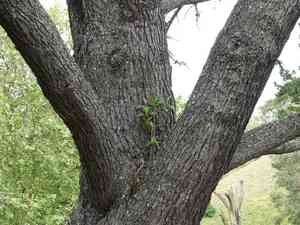
Recognized for its expansive, sprawling crown and supportive roots, moreton bay fig presents a magnificent presence in outdoor settings. Trim to preserve its form, eliminate deceased or intersecting limbs, and improve air circulation. The winter season is optimal for pruning, as the dormant state reduces strain and sap leakage. Specific attention involves refraining from making substantial cuts to avert trunk deterioration. Pruning aids moreton bay fig by fostering robustness, well-being, and extended life, all while upholding its impressive aesthetic.
Advantages of Trimming Moreton Bay Fig
Advantages of Trimming Moreton Bay Fig
Trimming moreton bay fig promotes robust development and assists in maintaining its desired form. Strategic cutting eliminates dead or weak limbs, ensuring plant vigor and aesthetic appeal.
Optimal Period for Pruning Moreton Bay Fig
Optimal Period for Pruning Moreton Bay Fig
Pruning during late winter to early spring is considered optimal for moreton bay fig as it is a time when the plant is dormant, reducing stress and minimizing sap loss. This timing allows for the removal of any dead or diseased wood before the plant expends energy on new growth. Pruning at this stage also ensures wounds heal faster, leading to less risk of infection. Furthermore, with the absence of leaves, the structure of moreton bay fig is more visible, allowing for more precise shaping and trimming aimed at maintaining its natural form. Since moreton bay fig does not have a significant flowering or fruiting period that would dictate pruning time, focusing on the plant's health and growth cycle is paramount. As the plant restarts its growth cycle after pruning, it benefits from the energy directed towards the production of new, healthy growth.
Required Tools for Pruning Moreton Bay Fig
Hand Pruners
For trimming small twigs and leaves of moreton bay fig, as it allows for precision cuts without damaging the surrounding foliage.
Loppers
Essential for cutting through thicker branches of moreton bay fig, typically those between 1.5 to 2.5 centimeters in diameter, where hand pruners aren't enough.
Pruning Saw
Ideal for managing the more substantial limbs of moreton bay fig, which can be too large for loppers. It ensures clean cuts on branches over 2.5 centimeters in diameter.
Pole Pruner
Designed to reach higher branches, crucial for maintaining the shape and controlling the height of moreton bay fig, without the need for a ladder.
Hedge Shears
Useful for shaping hedges and for the regular trimming of moreton bay fig, especially to keep its growth dense and lush.
How to Prune Moreton Bay Fig
Clean Equip
Ensure all pruning tools are clean and sharp to avoid spreading diseases to moreton bay fig.
Inspect
Inspect moreton bay fig closely, focusing on the identification of dead or diseased branches that require removal.
Disinfect
Before making any cuts, disinfect the pruning tools with a 10% bleach solution or alcohol to prevent infection in moreton bay fig.
Cut Diseased Branches
Prune all diseased branches by cutting them back to healthy tissue, ensuring to make cuts just above leaf nodes or branch junctions to promote proper healing in moreton bay fig.
Remove Dead Branches
Remove dead branches by cutting at a point where they join a larger branch or the trunk. Make the cut smooth and close to the branch collar without damaging it to allow moreton bay fig to heal properly.
Common Pruning Mistakes with Moreton Bay Fig
Over-Pruning
Cutting back moreton bay fig too drastically can harm the tree's structure and vitality. More than 25% pruning at one time can lead to excessive stress.
Improper Cuts
Incorrect cutting techniques, such as leaving stubs or tearing bark, can create entry points for pests and diseases, and hinder proper healing.
Shearing The Canopy
Using shears to shape moreton bay fig rather than selectively pruning can result in dense outer foliage that blocks light and air penetration, weakening the internal branches.
Ignoring The Natural Shape
Not considering moreton bay fig's natural growth pattern when pruning can lead to a less aesthetically pleasing and potentially unhealthy tree.
Neglecting Tool Hygiene
Failing to sanitize tools between uses can spread diseases from infected plants to healthy ones during pruning.
Common Pruning Tips for Moreton Bay Fig
Selective Pruning
Focus on removing dead, diseased, or crossing branches to maintain the health and structure of moreton bay fig, while ensuring good air circulation and light penetration.
Strategic Thinning
Thin out the crown judiciously to enhance moreton bay fig's form and to allow for better light exposure to the lower leaves, which promotes healthier foliage.
Clean Cuts
Use sharp, clean pruning tools to make precise cuts at the correct angle, just outside the branch collar, to promote faster and proper healing.
Maintain Healthy Branches
Preserve the strongest, healthiest branches and remove weaker ones. This ensures that moreton bay fig has a strong framework, which is particularly important for its large leaves and extensive canopy.
Gradual Shaping
Shape moreton bay fig gradually over several seasons rather than trying to do it all at once to prevent unnecessary stress on the tree.



