Enhancing Your Garden Design with the Moreton bay fig Plant: A Landscaping Guide
1
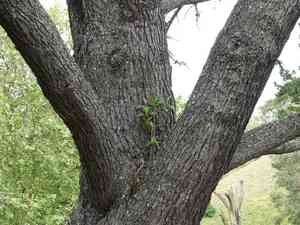
The Moreton Bay fig is recognized for its impressive appearance and serves as a prominent feature in landscape architecture.
2
This fig species contributes to ecological diversity and offers environmental advantages to your outdoor space.
3
Proper upkeep of the Moreton Bay fig involves particular care routines, which are straightforward to handle with the right advice.
Introducing the Moreton Bay Fig in Landscape Design
Distinctive features of the Moreton Bay Fig
A captivating aspect of the Moreton Bay Fig is its grand and expansive appearance. This tree is known for its large, glossy foliage and extensive root system, often forming intriguing surface roots and buttress structures. Its broad canopy offers dense shade, making it an attractive choice for gardens in warmer climates. Furthermore, the Moreton Bay Fig is recognized for its longevity and resilience, frequently standing tall and robust for many decades.
Popular applications of the Moreton Bay Fig in public and private settings
The Moreton Bay Fig is a versatile addition to both public and private landscapes. In public parks, it provides natural shelter, offering cool shade for picnics and gatherings. Many urban planners integrate the Moreton Bay Fig into street landscaping, where its strong presence can soften the harsh lines of city streets. In private gardens, this tree can serve as a focal point, bringing a touch of majesty and sophistication to residential properties.
Key Advantages of Incorporating Moreton Bay Fig into Your Garden
Visual appeal and aesthetic value
The Moreton Bay Fig adds unique aesthetic value to your garden. Its lush green leaves and massive size provide a natural backdrop for other plants and garden elements. The distinctive surface roots can create visual interest, making the tree a living work of art. Garden designers often use the Moreton Bay Fig to add texture, height, and a sense of grandeur to landscape compositions.
Contribution to biodiversity and ecological benefits
Planting the Moreton Bay Fig can significantly boost your garden's biodiversity. Its wide canopy offers habitat and food sources for various bird species, insects, and small mammals. The dense foliage also helps improve air quality by absorbing pollutants and releasing oxygen. On hot days, the tree helps cool the surrounding area, mitigating the urban heat island effect.
Durability and minimal maintenance requirements
One of the appealing qualities of the Moreton Bay Fig is its hardiness. This tree is robust and can withstand challenging environmental conditions such as strong winds and droughts. Its extensive root system supports its stability, reducing the risk of toppling during storms. Gardeners will appreciate that the Moreton Bay Fig requires little maintenance once established, needing only occasional pruning and watering during extended dry periods.
Creative Placement Ideas for Moreton Bay Fig in Landscape Designs
Using Moreton Bay Fig as a central feature
The Moreton Bay Fig can be a stunning focal point in any garden. Placing it centrally in a lawn or at the end of a main garden path draws attention to its majestic form. Illuminating the Moreton Bay Fig at night with garden lights can further enhance its features, creating a beautiful and dramatic effect.
Leveraging Moreton Bay Fig for shade and structural definition
If you're looking to provide shade over seating areas or pathways, the Moreton Bay Fig's expansive canopy offers an ideal solution. Placing garden furniture beneath its branches creates a serene and cool retreat. Moreover, the Moreton Bay Fig can be used to define different garden zones, acting as a natural barrier or backdrop for other plants.
Combining with other plants for enhanced visual impact
To create a lush and vibrant garden, consider pairing the Moreton Bay Fig with a variety of other plants. Underplanting it with shade-loving shrubs, ferns, and ground covers can create layers of greenery and texture. Flowering plants like azaleas or begonias can add splashes of color to contrast with the tree's rich green leaves.
Maintenance Guidelines for Moreton Bay Fig in Landscapes
Seasonal care recommendations
To maintain the Moreton Bay Fig's health throughout the year, consider seasonal care practices. In spring, inspect and remove any dead or damaged branches to encourage new growth. Summer might necessitate additional watering during dry spells to ensure the tree remains hydrated. In fall, clear away fallen leaves and check for any signs of disease. Winter is an opportune time to apply mulch around the tree base to protect its roots from freezing temperatures.
Pruning and managing the growth of Moreton Bay Fig
Pruning the Moreton Bay Fig helps maintain its shape and size. Regularly remove any low-hanging or crossing branches to promote better air circulation and sunlight penetration. When pruning, always use clean, sharp tools to make precise cuts and avoid damaging the tree. Controlling the tree’s growth around structures or pathways is essential to prevent potential root damage.
Common Issues and Solutions with Moreton Bay Fig
Managing size and spatial requirements
The Moreton Bay Fig can grow to an impressive size, so it’s crucial to plant it in an area with sufficient space. To manage its footprint, consider regular pruning and selective branch removal. If space is limited, strategic placement can help prevent the tree from dominating other garden elements. Planting the Moreton Bay Fig at a distance from buildings and pathways will reduce the risk of root intrusion.
Addressing pests and diseases
While generally robust, the Moreton Bay Fig can still be susceptible to pests and diseases. Regularly inspect the tree for signs of issues like leaf spots, mildew, or insect infestations. Implementing integrated pest management (IPM) strategies, such as encouraging natural predators and using organic treatments, can help keep these problems in check. Timely intervention and proper care can prevent minor issues from escalating into major concerns.



