How to Transplant Amethyst fescue?
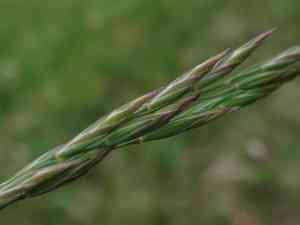
Amethyst fescue flourishes when relocated between early and late spring or during the initial part of summer, facilitating strong root development. Choose a location that receives full sun or partial shade and has soil that drains effectively. Crucially, refrain from transplanting during severe weather to achieve optimal outcomes.
What Preparations are Needed Before Transplanting Amethyst Fescue?
What is the Ideal Time for Transplanting Amethyst Fescue?
Amethyst fescue, a perennial, flourishes when moved from early spring to early summer. This timeframe ensures optimal establishment as soil warmth encourages root development and spring rains aid hydration. Relocating during these months boosts plant vitality, leading to lush foliage and enhanced resistance to summer heat.
How Much Space Should You Leave Between Amethyst Fescue Plants?
For amethyst fescue, it's best to position each plant 12-18 inches (30-45 cm) apart. This provides ample room for growth without competition for resources.
What is the Best Soil Mix for Amethyst Fescue Transplanting?
Prepare well-draining soil for amethyst fescue by incorporating organic matter such as compost. Adding a balanced base fertilizer will also be beneficial. Aim for soil that isn't too dense to prevent waterlogging.
Where Should You Relocate Your Amethyst Fescue?
Amethyst fescue thrives in full sun. Select a garden spot where the plant will receive at least 6 hours of direct sunlight daily. This promotes healthy development and vibrant foliage.
What Equipments Should You Prepare Before Transplantation Amethyst Fescue?
Gardening Gloves
To safeguard your hands while handling soil and plants.
Shovel or Spade
For digging and extracting the plant from its original spot.
Trowel
Useful for excavating smaller holes and working in confined areas.
Watering Can
For hydrating the plant before and after relocation.
Pruners
In case you need to trim any damaged or excess roots or leaves.
Wheelbarrow
Convenient for moving the plant if it is heavy or large.
How Do You Remove Amethyst Fescue from the Soil?
How Do You Remove Amethyst Fescue from the Soil?
From Ground: First, moisten the amethyst fescue plant to dampen the soil. Then, excavate a wide trench around the plant using a shovel or spade, ensuring the plant's root ball remains intact. Carefully work the spade beneath the root ball to lift the plant from its initial location.From Pot: Thoroughly water the amethyst fescue plant. Gently tap the pot's sides to loosen the soil, then turn the plant sideways, supporting the stem. Slide the plant out, taking care not to harm the roots.From Seedling Tray: Ensure the soil in the tray is damp. Use a small trowel or your fingers to carefully lift each amethyst fescue seedling, keeping as much soil around the roots as possible.
Step-by-Step Guide for Transplanting Amethyst Fescue
Site Preparation
Preparation is crucial for successful transplanting. Choose the correct location considering aspects already discussed. Clear any weeds or debris from the site. Dig a hole slightly wider and deeper than the root ball of your amethyst fescue plant.
Removing the Plant
Refer to the specific removal procedure depending on whether the plant is in the ground, a pot, or a seedling tray.
Placing the Plant
Gently position your amethyst fescue plant into the hole. Ensure that the top of the root ball is level with the soil surface. Adjust the hole's depth if necessary.
Filling the Hole
Backfill the hole with soil, gently pressing it down around the plant's base to eliminate air pockets. Make sure the plant stands upright and is stable.
Watering the Plant
Water the plant thoroughly immediately after planting. This helps to settle the soil around the roots and provides the necessary moisture for the plant to begin establishing itself.
How Do You Care For Amethyst Fescue After Transplanting?
Watering
Keep the soil around the amethyst fescue consistently moist, but not waterlogged, for the initial few weeks post-transplant to aid in strong root establishment.
Mulching
Apply a layer of mulch around the base of the amethyst fescue to retain soil moisture and inhibit weed growth.
Monitoring
Regularly inspect the plant for any indications of stress or disease. Promptly address any issues to prevent them from worsening.
Supporting
If the amethyst fescue is tall or top-heavy, consider providing support with a stake until its roots are well-established.
Troubleshooting Common Issues with Amethyst Fescue Transplantation.
When is the best time to transplant amethyst fescue?
The optimal period to relocate amethyst fescue is from early spring to early summer for superior outcomes.
How much space should I leave between amethyst fescue plants?
Position each amethyst fescue plant 12-18 inches (30-45 cm) apart to ensure robust development.
What type of soil is best for transplanting amethyst fescue?
Amethyst fescue thrives in well-draining, moderately fertile soil. Avoid areas prone to waterlogging.
How should I prepare the soil for transplanting amethyst fescue?
Improve the soil with compost to enhance fertility and drainage before relocating amethyst fescue.
How deep should I plant amethyst fescue?
Plant amethyst fescue at the same depth it was previously growing, approximately 3-4 inches (7.5-10 cm) deep.
Should I water amethyst fescue immediately after transplanting?
Yes, thoroughly water amethyst fescue right after transplanting to settle the soil around its roots.
How can I prevent transplant shock in amethyst fescue?
Maintain consistent watering, initially shield from direct sun, and avoid disturbing roots to minimize shock in amethyst fescue.
What is the optimum temperature range for transplanting amethyst fescue?
Relocate amethyst fescue when the temperature is between 50-70°F (10-21°C) for ideal acclimatization.
Can I fertilize amethyst fescue immediately after transplanting?
Wait a few weeks after transplanting before lightly fertilizing amethyst fescue to prevent root damage.
How can I tell if amethyst fescue is adapting well after transplanting?
Vigorous, healthy growth and the absence of wilting or yellowing indicate amethyst fescue is adapting successfully.



