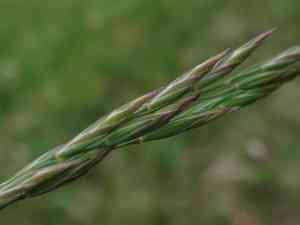
Amethyst fescue (Festuca amethystina)
Also known as: Tufted fescue
Tufted Fescue (Festuca amethystina) is a species of true grass native to Europe, including Turkey.
In This Article
Attributes of Amethyst fescue
Lifespan
Perennial
Plant Type
Grass
Plant Height
30 cm to 61 cm
Spread
30 cm to 60 cm
Leaf Color
Blue Green
Flower Size
0.5-1 cm
Flower Color
Purple Green
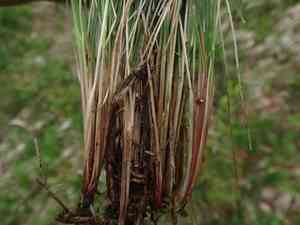
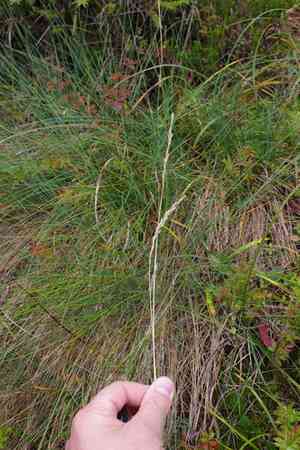
Images of Amethyst fescue
Quickly Identify Amethyst fescue
1
Distinctive blue-green to blue-silver foliage
2
Rolled thread-like leaves form dense mounds
3
Delicate flower spikes with pink-purple hues
4
Compact size suitable for small spaces
5
Flowers bloom 2 feet (60 cm) above foliage
Scientific Classification of Amethyst fescue
Phylum
Vascular plants
Class
Monocotyledons
Order
Poales
Family
Grass
Genus
Festuca
Species
Amethyst fescue
Planting and Growing of Amethyst fescue
Care Difficulty
Moderate
Watering Schedule
Every 2 days
Sunlight Requirements
Full sun
Sunshine Duration
4-8 hours
Ideal Temperature
60-75℉
Soil Type
Potting Mix, Peat Mix
Soil pH
6.5-7.5
Fertilizer Type
Balanced
Pruning Season
Spring, Summer
Pruning Area
Branches, Leaves
Pruning Frequency
2 times a year
Repotting Season
Spring
Pot Type
Plastic, Ceramic
 How to Water Amethyst fescue?
For Festuca amethystina, the key to watering is to ensure that the soil remains moist but not waterlogged. Aim for approximately 250ml of water each time, or until you notice the top inch of the soil begins to feel damp, ensuring not to drown the roots.
What are the symptoms of an underwatered Amethyst fescue?
›
What should I do if my Amethyst fescue is not getting enough water?
›
What are the symptoms of an overwatered Amethyst fescue?
›
How to save an overwatered Amethyst fescue?
›
 What Are the Sunlight Requirements for Amethyst fescue?
Festuca amethystina thrives in full sun to partial sun environments. Providing the right light conditions improves photosynthesis efficiency, ensuring robust and vibrant foliage while supporting healthy growth patterns.
What type of sunlight does Festuca amethystina prefer?
›
How can I ensure Festuca amethystina receives its ideal light?
›
What benefits come from providing optimal sunlight to Festuca amethystina?
›
 What Is the Ideal Temperature Range for Amethyst fescue?
The ideal temperature range for Festuca amethystina is between 60°F and 75°F. It ensures optimal growth and health as this range balances warmth without excessively stressing the plant.
 What Soil is Best for Amethyst fescue?
Festuca amethystina thrives in well-drained soils. Proper drainage prevents waterlogging, which can suffocate the roots and lead to root rot. Ensuring good drainage is crucial for the healthy growth of this plant. This plant prefers moderately fertile soil, which provides the necessary nutrients. Soil that is too rich may lead to excessive leafy growth at the expense of flowering, so maintaining balanced fertility is essential. Soils with sufficient organic matter help retain moisture while also improving texture and nutrient availability, thus supporting the plant’s health and vigor during growth cycles.
 How to Fertilize Amethyst fescue?
Festuca amethystina prefers a gentle hand when it comes to fertilization. Generally, use a balanced liquid fertilizer, diluted to half strength. Aim to apply around 1 liter of this diluted solution per square meter to ensure even nutrition without risk of root burn.
 How to Prune Amethyst fescue?
Start by removing dead or brown leaves and stems to encourage new growth. Use sharp, clean scissors or shears to cut back to the base of the plant or just above the crown. This ensures that the grass remains dense and healthy over time, and also helps prevent the spread of any diseases or pests. For a more uniform look, consider shearing the entire plant back by about one-third to half its height in early spring. This not only promotes robust new growth but also helps maintain a tidy clump. Ensure you're not cutting into the crown, as this could damage the plant’s growing point.
More About Pruning Techniques→
 How to Propagate Amethyst fescue plant?
1
Collect seeds from mature Festuca amethystina plants in late summer or early autumn. Ensure the seeds have fully developed by checking their size and color. Dry them properly before sowing.
2
Choose well-draining soil and prepare it by mixing compost to enhance nutrients. Whether sowing seeds or dividing roots, soil preparation is crucial for healthy plant growth.
3
For seeds, sow evenly in seed trays and cover slightly with soil. For division, replant the separated clumps at the same depth they were growing in. Water them initially to reduce transplant shock.
 How to Repot Amethyst fescue plant?
1
Look for signs such as roots growing out of the drainage holes, slow growth despite proper care, or soil that dries out quickly after watering. These indicate it's time to repot Festuca amethystina. The best seasons for repotting are spring and autumn when the plant is actively growing and can recover from repotting stress.
2
Select a pot that is 1 to 2 inches larger in diameter than the current one, with good drainage holes. A pot of the right size provides space for the roots to grow while preventing waterlogging, which can lead to root rot. The material should be durable and match the plant's environment.
3
Opt for a well-draining potting mix that might include components like perlite, sand, or pine bark. This type of soil allows for proper aeration and avoids water retention, which can harm the roots of Festuca amethystina, ensuring a healthy and thriving plant.



