How to Propagate Amethyst fescue?
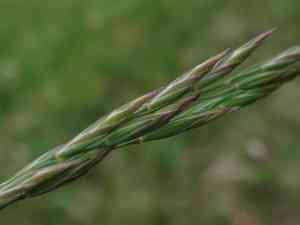
Amethyst fescue is an appealing ornamental grass prized for its striking blue-green foliage and dense development. Reproducing it through division is simple; merely employ a sharp shovel to split the specimen into smaller portions, making certain each piece possesses both roots and leaves. Reinsert the divisions at the identical depth as the parent plant, and irrigate thoroughly for establishment. This technique guarantees genetic uniformity and fosters vigorous development.
Optimal Period for Amethyst Fescue Propagation
Propagation Method
Division
Tools Required for Amethyst Fescue Propagation
Garden Fork
A garden fork is crucial for gently lifting and loosening the soil around amethyst fescue. This minimizes root damage, simplifying plant division without undue stress.
Sharp Spade
A sharp spade is utilized to cleanly separate amethyst fescue clumps. Precision is vital in division to ensure each plant section retains enough root system for successful re-establishment.
Pruning Shears
Pruning shears are needed for trimming any damaged or overgrown foliage during the division process. Maintaining healthy foliage is key to reducing shock and promoting new growth.
Root Knife
A root knife is valuable for more precise and clean cuts through dense amethyst fescue root masses. This specialized tool helps ensure each divided section has a healthy, intact root system.
Watering Can with Fine Rose
A watering can with a fine rose attachment allows for gentle irrigation of newly divided amethyst fescue clumps. This keeps the soil uniformly moist without disturbing young roots.
Garden Gloves
Garden gloves protect hands while handling amethyst fescue during division. They also offer better grip and control with sharp tools, ensuring safe, precise work.
Plant Markers
Plant markers are essential for labeling different amethyst fescue sections after division. This helps track plant location and post-division care needs.
Compost or Organic Mulch
Using compost or organic mulch enriches the soil around divided amethyst fescue, providing necessary nutrients and moisture retention for successful growth and establishment.
How to Propagate Amethyst Fescue?
Propagation Type
Easy
Caring for Your Newly Propagated Amethyst Fescue
Caring for Your Newly Propagated Amethyst Fescue
Post-propagation, provide amethyst fescue with consistent watering for establishment, reducing frequency as plants mature. Ensure well-draining soil and ample sunlight. Trim dead foliage to encourage new growth. Fertilize sparingly; excessive nutrients can weaken growth. Regularly inspect for pests or diseases and implement preventative measures.
Common Errors to Avoid When Propagating Amethyst Fescue
Overwatering
Excessive moisture can lead to root rot, severely impacting plant health and potentially causing death.
Poor soil drainage
Inadequate drainage creates waterlogged conditions, also causing root rot and hindering root development.
Using heavy soils
Dense soils can suffocate roots and reduce aeration, impeding growth.
Inadequate sunlight
Insufficient light prevents proper growth and diminishes plant vigor.
Incorrect spacing
Placing plants too close can lead to nutrient competition, stunting growth.
Ignoring pests
Failing to manage pests can result in infestations that harm the plant.
Not dividing clumps
Allowing clumps to become too large without division can decrease plant vigor and health.
Tips For Propagating Amethyst Fescue
Use well-draining soil
Ensure the soil drains effectively to prevent waterlogging and promote robust root development.
Moderate watering
Water the plant moderately to keep the soil moist but not saturated, preventing root rot.
Ensure full sun exposure
Position the plant where it receives ample sunlight to encourage strong growth and development.
Maintain appropriate spacing
Allow sufficient room between plants for proper air circulation and reduced nutrient competition.
Monitor for pests
Regularly check for pests and address them promptly to avoid damage and disease.
Divide clumps regularly
Periodically divide large clumps to maintain plant vigor and encourage healthy growth.



