How to Prune Amethyst fescue?
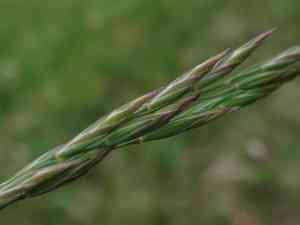
Recognized for its delicate leaves and prominent blue-green clumps, amethyst fescue thrives with consistent upkeep. Perform pruning in early spring to eliminate withered or compromised blades and stimulate fresh development. A gentle trimming during winter assists in preserving its form and vitality. Be sure to reduce the plant by no more than one-third to prevent undue strain. Consistent trimming improves air movement and lowers the risk of illness. Always employ sharp, sanitized implements to avert contamination.
What Are the Benefits of Pruning Amethyst Fescue?
What Are the Benefits of Pruning Amethyst Fescue?
Amethyst fescue thrives with trimming, promoting robust growth and a tidy form, preventing congestion, and enhancing air circulation to lessen pest and disease risks. Regular trimming fosters fresh, vibrant foliage and keeps the plant in prime condition.
What Is the Best Time for Pruning Amethyst Fescue?
What Is the Best Time for Pruning Amethyst Fescue?
Trimming amethyst fescue in early spring or winter is advised for the plant's health and optimal development. Early spring pruning capitalizes on dormancy before new growth, encouraging strong development as the growing season begins. Winter pruning also uses the plant's dormant phase, lowering disease and pest infestation risks, and protecting new shoots. These periods avoid disrupting amethyst fescue's flowering cycle, ensuring blooms aren't removed prematurely, and the plant can focus energy on root and vegetative growth during the active season.
What Tools Do I Need to Prune Amethyst Fescue?
Hand Pruners
Perfect for precise cuts on small clusters. Amethyst fescue has delicate blades that require careful trimming to avoid plant damage.
Hedge Shears
Crucial for larger groupings of amethyst fescue. These shears enable uniform cutting of foliage to maintain a consistent shape.
Pruning Scissors
Useful for detailed trimming. Their sharp, small blades are ideal for cutting back dead or damaged blades without affecting nearby growth.
How to Prune Amethyst Fescue
Identify
Inspect amethyst fescue thoroughly to find any diseased or withered leaves that require removal. Diseased leaves might appear discolored, spotted, or decayed, while withered ones will look dry and brittle.
Sanitize
Ensure your pruning tools are properly disinfected before use to prevent disease spread. Wipe blades with a solution of one part bleach to nine parts water or use rubbing alcohol.
Trim diseased
Carefully cut out any diseased leaves by making clean cuts at the base of the leaf stalk, close to the main body of amethyst fescue, ensuring no damage to healthy tissue nearby.
Trim withered
Remove withered leaves by snipping them at their base. Trim gradually, checking as you go to avoid removing too much foliage at once.
Cleanup
Collect all pruned material and dispose of it properly to prevent disease spread. Clean and store your pruning tools after use.
Common Pruning Mistakes with Amethyst Fescue
Cutting too much
Excessive pruning can stress amethyst fescue, leading to poor regrowth and reduced vigor. It hinders the plant's ability to photosynthesize effectively.
Incorrect tool usage
Using dull or unsuitable tools can harm amethyst fescue's stems and leaves, increasing vulnerability to disease and pests.
Improper technique
Making uneven or jagged cuts can injure amethyst fescue, resulting in irregular growth patterns and slower recovery.
Pruning at the wrong stage
Trimming amethyst fescue when it's not ready can cause nutrient depletion and impede its natural growth cycle.
Common Pruning Tips for Amethyst Fescue
Use sharp, clean tools
Always use sharp and disinfected shears or scissors to prevent disease transmission and ensure clean cuts on amethyst fescue.
Trim dead leaves and stalks
Regularly remove dead or damaged foliage to encourage healthy new growth and prevent rot.
Cut at an angle
Make cuts at a slight angle to prevent water accumulation on the cut surface, which can lead to rot in amethyst fescue.
Maintain shape
Lightly trim amethyst fescue to maintain its natural shape and encourage a dense, bushy appearance without over-cutting.



