How to Transplant Western goldentop?
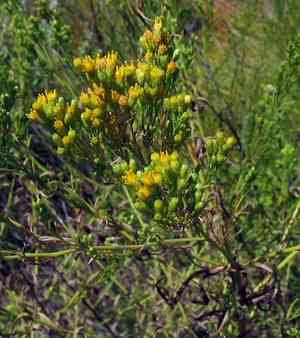
The ideal period for transplanting western goldentop spans from early spring's gentle warmth to the threshold of summer, allowing roots to settle prior to intense heat. Select a brightly lit location featuring soil that drains effectively to encourage robust development.
What Preparations are Needed Before Transplanting Western Goldentop?
What is the Ideal Time for Transplanting Western Goldentop?
The best time to move western goldentop is from the start of the growing season, once frost has passed, until days become noticeably longer. Transplanting western goldentop during this period allows ample time for strong root development before summer heat. By settling in under the gentle spring sun, western goldentop experiences a low-stress beginning, boosting its chances of thriving annually. Trust me, getting the timing right sets the stage for a stunning garden display.
How Much Space Should You Leave Between Western Goldentop Plants?
When relocating your western goldentop, ensure they have adequate room to thrive. Position them approximately 18-24 inches (45-60 cm) apart. This spacing guarantees sufficient growth area and prevents competition for nutrients or sunlight!
What is the Best Soil Mix for Western Goldentop Transplanting?
Before placing your western goldentop in its new spot, prepare the ground. Choose well-draining soil, enrich it with compost, and consider adding a slow-release fertilizer. This creates a nutrient-rich base for your perennials to establish roots and flourish.
Where Should You Relocate Your Western Goldentop?
Your western goldentop loves absorbing sunlight! Pick a garden location that receives full sun for optimal development. Ensuring your plants get those bright rays will result in more vibrant and healthier blooms.
What Equipments Should You Prepare Before Transplantation Western Goldentop?
Gardening Gloves
To safeguard your hands while handling soil and plants.
Shovel or Spade
For digging around and beneath the plant's root structure.
Garden Fork
To gently loosen soil around roots without causing significant harm.
Hose with Watering Attachment or Watering Can
To hydrate the plant before and after its relocation.
Wheelbarrow
To move the plant and soil to and from the new planting site.
Pruning Shears
To trim any damaged roots or foliage prior to transplanting.
Garden Trowel
For minor adjustments to the planting hole and surrounding soil.
Rooting Hormone (optional)
To stimulate root growth in its new environment.
Mulch
To help maintain soil moisture after the transplant.
How Do You Remove Western Goldentop from the Soil?
How Do You Remove Western Goldentop from the Soil?
From Ground: First, thoroughly water the western goldentop plant a day before transplanting to ensure damp soil and hydrated roots. Next, use a shovel or spade to dig a trench around the plant, keeping a wide distance to avoid cutting through the root system. Gently work the tool under the root ball to separate it from the ground and lift the plant, retaining as much soil on the roots as possible.From Pot: Begin by watering the western goldentop to ensure moist soil and non-dry roots. Turn the pot sideways, tap the bottom, and carefully slide the plant out. If it resists, run a garden knife along the pot's edge to loosen the soil.From Seedling Tray: Water the seedlings well beforehand. Carefully remove the western goldentop from the tray by pushing from the bottom or using a tool like a spoon or plant label to lift the seedling without harming roots or stem.
Step-by-Step Guide for Transplanting Western Goldentop
Preparation
Gather all necessary tools and confirm the transplanting location is ready.
Timing
Transplant during cool, overcast conditions or in the early morning/late afternoon to prevent excessive water loss and heat stress.
Plant Removal
Follow the detailed process for removing the western goldentop from its original spot, taking care not to harm the roots.
Transplant Hole
Dig a hole at the new site that is twice the width of the root ball and equally deep, allowing ample space for root expansion.
Plant Positioning
Gently place the western goldentop in the hole's center, ensuring the top of the root ball is level with the surrounding ground; adjust depth as needed.
Soil Backfill
Partially refill the hole with soil, gently press it around the roots to remove air pockets, then water the western goldentop to help settle the soil.
Finishing Touches
Complete backfilling the hole with soil, water generously again, and if available, apply rooting hormone as per package directions.
Mulching
Apply a layer of mulch around the base of the western goldentop to help retain moisture, regulate soil temperature, and reduce weed competition.
How Do You Care For Western Goldentop After Transplanting?
Regular Watering
Water the western goldentop thoroughly after transplanting and continue consistent watering during the initial growing season to maintain even soil moisture.
Monitoring Plant Health
Regularly inspect the western goldentop over the next few weeks for signs of transplant shock, such as wilting or discolored leaves, and address stress if necessary.
Pruning and Care
Trim any damaged or diseased stems and leaves using pruning shears. This encourages the western goldentop to prioritize new root establishment over supporting compromised parts.
Support (if needed)
If the western goldentop is tall or top-heavy, stake the plant to help it remain upright and protect it from strong winds until it is well-established.
Troubleshooting Common Issues with Western Goldentop Transplantation.
Why is my western goldentop not thriving after transplanting?
Ensure it was transplanted during the ideal window from early to late spring and given sufficient space (18-24 inches or 45-60 cm).
What's the best spacing for western goldentop when transplanting?
Helpful hint: Allow your western goldentop ample room to grow by spacing them 18-24 inches (45-60 cm) apart.
How much sunlight does western goldentop need after transplanting?
Post-transplant, position western goldentop in an area with full to partial sunlight to encourage robust growth.
How often should I water western goldentop after transplanting?
Water your western goldentop gently but consistently, keeping the soil moist but not waterlogged.
Should I fertilize western goldentop after transplanting?
After transplanting, wait a few weeks before applying a balanced, slow-release fertilizer to western goldentop.
How do I choose the right soil for transplanting western goldentop?
Use well-draining soil rich in organic matter to provide your western goldentop with optimal growing conditions.
Can I transplant western goldentop in containers?
Absolutely! Ensure the container is adequately sized and has good drainage to maintain healthy western goldentop.
How deep should I plant western goldentop when transplanting?
Plant western goldentop at the same depth it was in its previous location for a smooth transition.
Is it necessary to prune western goldentop when transplanting?
Trimming damaged or overly long roots before transplanting can promote healthy growth in western goldentop.
Why are the leaves of my transplanted western goldentop yellowing?
Yellowing may indicate overwatering or a nutrient imbalance. Adjust care and observe your western goldentop closely.



