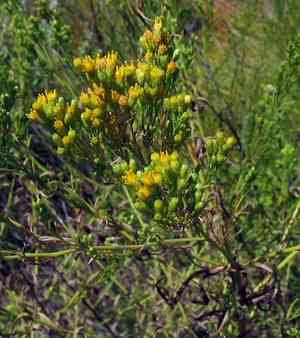
Western goldentop (Euthamia occidentalis)
Also known as: Western Flat-topped Goldenrod
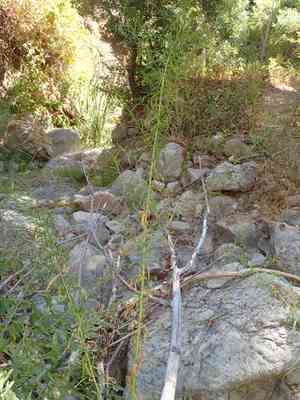
Western goldentop (Euthamia occidentalis) is prevalent across western North America, typically found near streams, ponds, and marshes. It produces clusters of yellow flowers in late summer and fall, providing essential nectar for monarch butterflies during their southward migration.
In This Article
Attributes of Western goldentop
Lifespan
Perennial
Plant Type
Herb
Plant Height
90 cm to 2 m
Spread
90 cm to 2 m
Leaf Color
Green
Flower Size
2.5 cm
Flower Color
Yellow
Images of Western goldentop
Quickly Identify Western goldentop
1
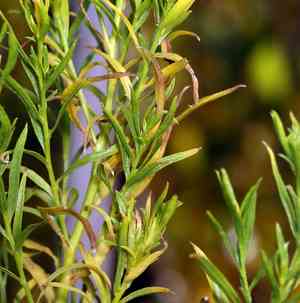
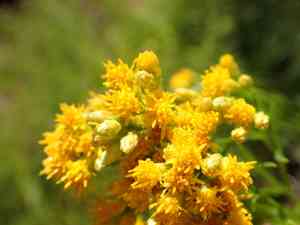
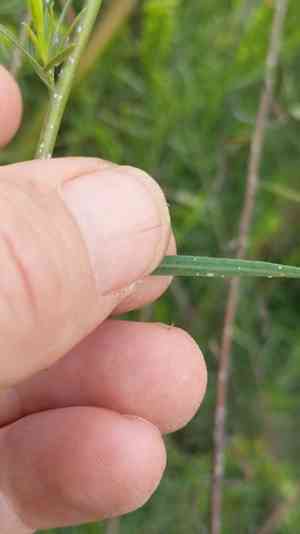
This plant can be identified by its flat-topped clusters of small yellow flowers and long, narrow leaves. The stems are usually smooth and slightly reddish.
Scientific Classification of Western goldentop
Phylum
Vascular plants
Class
Dicotyledons
Order
Asterales
Family
Daisy
Genus
Goldentops
Species
Western goldentop
Planting and Growing of Western goldentop
Care Difficulty
Easy
Watering Schedule
Every 3 days
Sunlight Requirements
Full sun
Sunshine Duration
4-6 hours
Ideal Temperature
65-75℉
Soil Type
Potting Mix
Soil pH
6.5-7.5
Fertilizer Type
Balanced
Pruning Season
Spring, Summer
Pruning Area
Branches, Leaves
Pruning Frequency
2 times a year
Repotting Season
Spring
Pot Type
Plastic, Ceramic
 How to Water Western goldentop?
Euthamia occidentalis prefers moderate watering. Care should be taken to ensure that the soil remains evenly moist but not waterlogged. A watering session should provide about 500 milliliters, ensuring the soil receives water evenly throughout.
What are the symptoms of an underwatered Western goldentop?
›
What should I do if my Western goldentop is not getting enough water?
›
What are the symptoms of an overwatered Western goldentop?
›
How to save an overwatered Western goldentop?
›
 What Are the Sunlight Requirements for Western goldentop?
Euthamia occidentalis thrives in full sun to partial sun conditions, ideally receiving 6 to 8 hours of bright sunlight. This environment promotes vibrant growth and plentiful flowering, enriching the garden's overall aesthetic.
More About Sunlight Requirements Techniques→
Where should I place Euthamia occidentalis?
›
How can I ensure it receives enough sunlight indoors?
›
What are the benefits of ideal sunlight exposure?
›
 What Is the Ideal Temperature Range for Western goldentop?
Euthamia occidentalis thrives in mild climates where the temperatures consistently range between 65°F and 75°F. Such conditions ensure optimal physiological processes and robust growth.
 What Soil is Best for Western goldentop?
Euthamia occidentalis thrives in well-drained soil, which prevents waterlogging and root rot. Ensuring proper drainage benefits the plant by allowing roots to access oxygen and nutrients efficiently, promoting vigorous growth. This plant prefers soil enriched with organic matter, such as compost or leaf mulch. Rich soil provides essential nutrients that support healthy stem and leaf development, leading to a more robust plant. While Euthamia occidentalis can tolerate dry spells, moderate moisture retention in the soil helps maintain steady growth. This balance prevents dehydration, maintaining the plant's vitality and resilience.
 How to Fertilize Western goldentop?
Euthamia occidentalis benefits from balanced nutrition. Opt for a general-purpose fertilizer with an NPK ratio around 10-10-10. For liquid fertilizers, dilute according to label instructions to prevent root burn.
 How to Prune Western goldentop?
Begin your pruning by examining the plant thoroughly. Identify any dead or diseased stems and branches. This initial assessment will help you decide where to focus your efforts and maintain the plant's health. Start by removing dead or diseased branches. Cut them back to the point of healthy growth. Focus on shaping the plant by removing overly long or crossing branches to open up the center for better air circulation. To promote vigorous new growth, prune some of the older, less productive stems back to the base. This will encourage the development of new shoots and help maintain a robust and attractive plant form. Finish by smoothing the edges of the plant for a natural look. Be careful not to over-prune, as this can stress the plant. Take a step back occasionally to ensure you are maintaining the desired shape and size.
More About Pruning Techniques→
 How to Propagate Western goldentop plant?
1
Harvest seeds from mature Euthamia occidentalis plants in late autumn for best results, ensuring they are dry and free from disease.
2
Select healthy, non-flowering stems for cuttings, approximately 4-6 inches long, and cut just below a leaf node to promote root growth.
3
Dig up the mature Euthamia occidentalis and gently separate the root clumps, taking care to retain as many roots as possible with each division for successful replanting.
 How to Repot Western goldentop plant?
1
Euthamia occidentalis should be repotted when you observe its roots protruding through the drainage holes of the current pot, or when the plant appears root-bound. These are clear signs that the plant needs more space to grow.
2
Select a pot that is only slightly larger than the current one, ensuring it has adequate drainage holes. This helps prevent waterlogging and encourages healthy root development, reducing the risk of root rot.
3
Opt for a well-draining sandy soil. This type of soil prevents excess moisture from lingering around the roots, which is crucial for preventing root rot and promoting overall plant health.



