How to Prune Western goldentop?
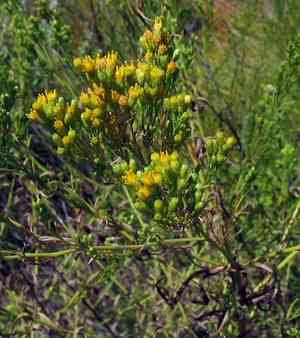
A perennial plant recognized for its delicate leaves and vibrant yellow blossoms, western goldentop flourishes with consistent trimming. For western goldentop, the perfect period for pruning is late spring or early summer once the blooming cycle has concluded. Snip off the faded flower stalks to foster a denser form and possibly a subsequent flowering. Reducing congested stems enhances air movement, which is vital for averting ailments. Trimming also preserves an orderly appearance and can revitalize western goldentop for more robust development in the subsequent period.
What Are the Benefits of Pruning Western Goldentop?
What Are the Benefits of Pruning Western Goldentop?
Trimming western goldentop promotes robust development and maintains its desired form. Strategic cuts enhance light penetration and air circulation, stimulating healthy new foliage and preserving its dense, appealing shape.
What Is the Best Time for Pruning Western Goldentop?
What Is the Best Time for Pruning Western Goldentop?
Pruning in late spring aligns with western goldentop's post-flowering period, ensuring the removal of spent blossoms without impacting the upcoming bloom season. Early summer trimming allows gardeners to shape western goldentop while plants are actively growing, providing time for recovery before winter dormancy. This timing also prevents damage to new buds that form after flowering, supports healthy plant development by removing dead or diseased tissue, and encourages more vigorous growth for the subsequent season.
What Tools Do I Need to Prune Western Goldentop?
Bypass Pruners
Perfect for making precise cuts on green or live stems of western goldentop, without crushing plant tissue, which encourages healthy regrowth.
Pruning Shears
Suitable for snipping flowers or deadheading western goldentop to encourage fuller growth and more blooms. They offer precision and are easy to handle for thin stems.
Long-Handled Loppers
Effective for reaching higher stems of western goldentop and providing the necessary leverage to cut thicker branches that bypass pruners may not handle comfortably.
How to Prune Western Goldentop
Disinfect tools
Before starting any pruning on western goldentop, clean and disinfect all pruning tools to prevent the spread of disease.
Remove diseased parts
Carefully examine western goldentop for any diseased leaves and stems. Use sharp, sterilized pruning shears to cut away these parts, making sure to remove the entire affected area to prevent the spread of infection.
Trim withered leaves
Identify withered or dead leaves on western goldentop and neatly trim them off at their base, taking care not to damage adjacent healthy foliage or stems.
Thin diseased stems
Thin out diseased stems on western goldentop by cutting them down to the base or to a main stem or branch, ensuring good air circulation and light penetration for the remaining healthy growth.
Cleanup
After trimming western goldentop, collect all removed diseased and withered plant material and dispose of it appropriatelyâdo not compost as this could spread disease. Clean all tools again after finishing.
Common Pruning Mistakes with Western Goldentop
Over-pruning
Removing too much growth in a single session which can stress western goldentop, hindering its growth and ability to bloom.
Improper cut location
Cutting either too close or too far from the node, which may cause stem damage or leave unsightly stubs that could lead to disease.
Using dull tools
Pruning with dull or unclean tools that make rough cuts, potentially leading to disease and pest infestation.
Ignoring dead or diseased stems
Failing to remove dead or diseased stems, which can allow ailments to spread and compromise western goldentop's overall health.
Pruning for shape only
Focusing solely on shaping western goldentop without considering its natural growth pattern, which can reduce its vigor and flowering potential.
Pruning at wrong time
Pruning at an incorrect time which can be detrimental to western goldentop's growth cycles, despite excluding specific seasonal recommendations.
Common Pruning Tips for Western Goldentop
Clean cuts
Make clean cuts using sharp, sterilized pruning shears to prevent disease and encourage quick healing.
1/3 rule
As a general guideline, remove no more than one-third of western goldentop's overall growth to maintain plant health and avoid shock.
Deadheading
Regularly deadhead spent blooms to promote continued flowering and prevent western goldentop from expending energy on seed production.
Node attention
Cut just above a leaf node to encourage western goldentop to produce new branches, which can lead to a fuller plant and more blossoms.
Disease prevention
After pruning, remove all clippings and fallen debris from around western goldentop to prevent disease and pest issues.
Growth direction
Prune to direct growth by choosing outward-facing buds to cut near, guiding the new growth outward for a more attractive shape.
Height and spread control
Prune to control western goldentop's height and spread, keeping it well-proportioned and balanced within the garden space.



