How Much Sunlight Do Western goldentop Need?
1
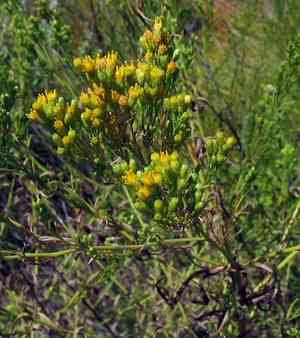
Western goldentop flourishes with 6-8 hours of direct sun each day.
2
Periodically check for indications of sun damage to preserve plant vitality.
3
Periodically check for indications of sun damage to preserve plant vitality.
Optimal Light Conditions for Western goldentop
Full Sun Requirements
Western goldentop thrives in bright light, being a sun-loving species. It ideally needs 6 to 8 hours of direct sunlight daily. Full sun exposure fuels photosynthesis, resulting in vibrant foliage and abundant flowers. Gardeners in sunny regions will find this plant particularly easy to cultivate. Position it where it gets continuous sunlight for most of the day to encourage peak growth and blooming.
Partial Shade Tolerance
Although Western goldentop prefers full sun, it can endure partial shade. This adaptability makes it suitable for various garden environments. However, in shadier spots, expect fewer blossoms and a more elongated appearance. If your garden has varied light, try to place the plant where it receives the most sunlight, especially in the morning. Morning sun is beneficial as it's less intense and helps the plant start strong without harsh afternoon heat.
Positioning Western goldentop for Best Sunlight
Prime Garden Locations
Selecting the correct garden spot is vital for your Western goldentop's health. A south-facing area is usually best for maximum daily sunlight. If unavailable, a west-facing location can also work, providing ample afternoon sun. Ensure the site isn't heavily shaded by large trees or structures. Planting near reflective surfaces like walls or fences can slightly boost light exposure, aiding the plant's development.
Container Growing for Adaptability
For gardeners desiring flexibility or with limited space, cultivating Western goldentop in containers is an excellent choice. Pots allow you to relocate the plant to sunnier spots as seasons change or shadows shift. Select a well-draining pot sized for the plant's root system. Remember, container plants may require more frequent watering and feeding than ground-planted ones, as they dry out faster. This method ensures optimal light conditions regardless of changing garden dynamics.
Monitoring and Adjusting Light Exposure
Signs of Excessive Sun
Too much sun can stress Western goldentop. Symptoms include scorched or bleached leaves, which may appear dry or brittle. If these signs occur, consider providing afternoon shade, especially during peak summer. Use a shade cloth or move container plants to a less intense light area. Regularly check foliage and adjust as needed to prevent sunburn.
Signs of Insufficient Sunlight
Conversely, inadequate sunlight can lead to stunted growth and sparse flowering. Leaves might darken to capture more light, or the plant may become leggy and stretch towards the light source. If you observe these signs, move the plant to a sunnier location if possible. For indoor plants or those in low-light, consider supplemental grow lights for the necessary spectrum and duration.
Modifying Light Levels
Consistent observation is crucial for ensuring your Western goldentop gets enough sunlight. Use light meters to gauge intensity if available. Adjust the plant's position by rotating pots for even light distribution and moving them to ideal spots. Pruning nearby plants or removing obstructions can also enhance light access. Ensure changes are gradual to avoid shocking the plant. By effectively monitoring and adjusting light levels, you can ensure a healthy and flourishing Western goldentop.
Seasonal Light Changes and Western goldentop Care
Spring and Summer Light Needs
During spring and summer, Western goldentop needs consistent daily sunlight to support its active growth. Aim for at least 6 hours of direct sun, preferably more, to maximize blooming. Be mindful of prolonged heatwaves; providing some afternoon shade can prevent heat stress. Regular watering and mulching also help retain soil moisture, keeping the plant hydrated in hotter months.
Fall and Winter Care Advice
Conditions shift as fall and winter approach. Daylight hours shorten, making it crucial to maximize available light. Ensure tall plants or structures don't cast long shadows. While the plant may enter dormancy with reduced light needs, maintaining some exposure will keep it healthy. Winterizing techniques, like mulching and frost protection, are also essential. For container plants, consider bringing them indoors or into a greenhouse for an ideal overwintering environment with sufficient light.



