How to Transplant Saltmarsh fingergrass?
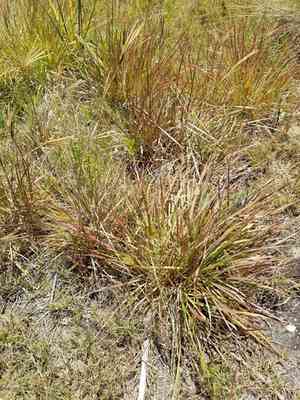
For saltmarsh fingergrass, the ideal time for relocation extends from the departure of frost until its complete vegetative expansion—in essence, the onset of spring. Select a bright spot with soil that drains effectively, and when relocating saltmarsh fingergrass, ensure root disruption is kept to a minimum for optimal integration.
What Preparations are Needed Before Transplanting Saltmarsh Fingergrass?
What is the Ideal Time for Transplanting Saltmarsh Fingergrass?
The optimal period for relocating saltmarsh fingergrass spans from the crisp beginning of spring to its vibrant conclusion. This timeframe provides saltmarsh fingergrass with the best opportunity for root establishment, as the soil warms and extended daylight hours offer sufficient sun without intense summer heat. It gives saltmarsh fingergrass a head start, fostering vigorous development before summer's demands. This gentle season creates an ideal environment for saltmarsh fingergrass to settle, ensuring a flourishing display in its new spot.
How Much Space Should You Leave Between Saltmarsh Fingergrass Plants?
Firstly, allow your saltmarsh fingergrass ample room to thrive by positioning them 12-18 inches (30-46 cm) apart. This spacing will ensure each plant has the necessary area to grow healthily and robustly.
What is the Best Soil Mix for Saltmarsh Fingergrass Transplanting?
Prepare a welcoming environment for your saltmarsh fingergrass by selecting soil that drains effectively. Improve the soil with a balanced fertilizer to provide your plants with a nourishing start. A mixture with equal parts nitrogen, phosphorus, and potassium would be perfect.
Where Should You Relocate Your Saltmarsh Fingergrass?
Ensure your saltmarsh fingergrass receives the sunlight it prefers! Aim for a location that gets full sun to partial shade, guaranteeing your plant receives at least 6 hours of sunlight daily for optimal growth.
What Equipments Should You Prepare Before Transplantation Saltmarsh Fingergrass?
Gardening Gloves
To safeguard your hands while handling soil and plants.
Shovel or Spade
For digging up and moving saltmarsh fingergrass.
Watering Can or Hose
To hydrate saltmarsh fingergrass before and after relocation.
Wheelbarrow or Plant Dolly
To move the plant if it's large and to manage garden waste.
Pruning Shears
To trim any damaged roots or foliage prior to transplanting.
How Do You Remove Saltmarsh Fingergrass from the Soil?
How Do You Remove Saltmarsh Fingergrass from the Soil?
From Ground: First, moisten the saltmarsh fingergrass plant to soften the soil, making excavation easier. Use a shovel or spade to dig a wide circle around the plant, far enough to avoid harming the root ball. Gently leverage beneath the root ball and lift the plant from its spot.From Pot: Water the saltmarsh fingergrass plant, then invert the container and tap the base to loosen the soil. If the plant doesn't release easily, run a tool along the inner edge to separate the soil from the pot. Carefully extract the plant.From Seedling Tray: Water the soil in the tray and use a small tool, such as a dibbler or spoon, to carefully lift the seedlings, ensuring you support the root ball to prevent damage.
Step-by-Step Guide for Transplanting Saltmarsh Fingergrass
Preparation
Determine the ideal time for transplanting, typically early morning or late afternoon to avoid intense midday sun.
Digging Hole
Excavate a hole in the ground that is twice as wide and as deep as the root ball of saltmarsh fingergrass.
Root Preparation
Inspect the roots of saltmarsh fingergrass for any signs of damage or circling and trim if necessary.
Planting
Carefully position saltmarsh fingergrass in the center of the hole, ensuring it stands upright and at its original growing depth.
Soil Replacement
Backfill the hole with the removed soil, gently pressing around the roots to eliminate air pockets.
Watering
Thoroughly water the saltmarsh fingergrass plant after planting to settle the soil and provide moisture for the roots.
How Do You Care For Saltmarsh Fingergrass After Transplanting?
Mulching
Apply a layer of mulch around saltmarsh fingergrass to help retain moisture and suppress weeds, keeping it away from the stem to prevent rot.
Pruning
Trim any dead or damaged foliage to encourage new growth and reduce stress on saltmarsh fingergrass.
Monitoring
Regularly check saltmarsh fingergrass for signs of stress such as wilting or discolored leaves and address any issues promptly.
Troubleshooting Common Issues with Saltmarsh Fingergrass Transplantation.
When is the best time to transplant saltmarsh fingergrass for optimal growth?
The prime time for transplanting saltmarsh fingergrass is from early to late spring, ensuring a favorable environment for root establishment before summer heat.
How far apart should I space saltmarsh fingergrass when transplanting?
Aim for a spacing of 12-18 inches (30-45 cm) between each saltmarsh fingergrass to give ample room for growth and airflow.
How deep should the planting hole be for saltmarsh fingergrass transplantation?
The hole should be just deep enough to accommodate the root ball, allowing the crown to sit at ground level.
Why is my transplanted saltmarsh fingergrass wilting after planting?
Wilting could be due to transplant shock; ensure proper watering and consider providing shade to help saltmarsh fingergrass recover.
Can I transplant saltmarsh fingergrass in the summer or fall?
It's best to transplant saltmarsh fingergrass during the cooler, moist conditions of early to late spring to minimize stress and promote root growth.
What type of soil is best for transplanting saltmarsh fingergrass?
Use well-draining soil rich in organic matter to give your saltmarsh fingergrass the nutrients it needs to thrive.
How much water is needed after transplanting saltmarsh fingergrass?
Water saltmarsh fingergrass generously right after transplanting to settle the soil around the roots and then maintain consistent moisture without overwatering.
What should I do if the leaves of saltmarsh fingergrass turn yellow after transplanting?
Yellow leaves may indicate overwatering or nutrient deficiency; adjust watering and consider a balanced fertilizer suited for saltmarsh fingergrass.
Is there a specific technique for removing saltmarsh fingergrass from its current pot?
Gently tap the pot to loosen, tilt and ease the plant out while supporting the base to minimize root damage.
How do I protect my newly transplanted saltmarsh fingergrass from pests and diseases?
Keep an eye on your saltmarsh fingergrass for early signs of distress, maintain garden hygiene, and use appropriate eco-friendly pest control methods.



