The Saltmarsh fingergrass Plant Advantage: Maximizing Home and Office Appeal and Wellness
1
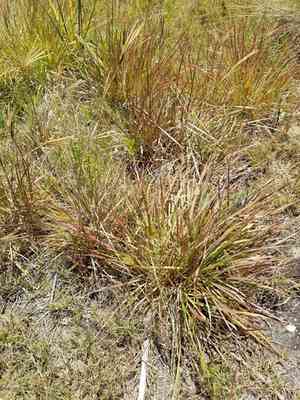
Saltmarsh fingergrass flourishes in saline conditions, serving as an outstanding soil stabilizer.
2
This robust flora offers shelter and sustenance, benefiting indigenous fauna.
3
Saltmarsh fingergrass is vital for effective, environmentally sound land stewardship practices.
What Makes Saltmarsh fingergrass Distinctive?
Adaptability to Saline Environments
Saltmarsh fingergrass stands out for its capacity to flourish in salty conditions where numerous other plants would struggle. This characteristic makes it especially valuable for stabilizing soil in coastal and salt-affected zones. By developing deep roots, Saltmarsh fingergrass aids in preventing soil erosion, thereby preserving the integrity of these delicate ecosystems.
Support for Local Wildlife
Beyond its soil benefits, Saltmarsh fingergrass also serves as a vital habitat for various native wildlife species. Birds, insects, and small mammals find refuge and sustenance within and around this plant. This feature enhances the area's biodiversity, contributing to a balanced and thriving ecosystem.
Role in Sustainable Land Management
Saltmarsh fingergrass holds promise in diverse sustainable land management practices. Its ability to improve soil health and provide nutrients can be utilized for regenerative agriculture. By incorporating Saltmarsh fingergrass into crop rotations or employing it as a cover crop, farmers can boost soil fertility and lessen the need for chemical fertilizers.
How Can Saltmarsh fingergrass Contribute to Climate Resilience?
Carbon Sequestration
One of the significant environmental advantages of Saltmarsh fingergrass is its function in carbon sequestration. Plants absorb carbon dioxide during photosynthesis, and Saltmarsh fingergrass is particularly efficient in this process. Its extensive root systems store carbon in the soil, lowering atmospheric greenhouse gas concentrations and combating climate change.
Mitigating Flood Risks
The root system of Saltmarsh fingergrass not only stabilizes soil but also assists in water absorption. In flood-prone regions, this plant can reduce risks by absorbing excess water and decreasing flood runoff. This role is particularly crucial in coastal areas, where rising sea levels pose a considerable threat.
What Are The Practical Uses of Saltmarsh fingergrass?
Erosion Control
A primary practical application of Saltmarsh fingergrass is in erosion control projects. Its robust root system binds the soil together, preventing it from being washed away during heavy rainfall or strong winds. This attribute makes it an ideal choice for stabilizing dunes, riverbanks, and degraded lands.
Forage for Livestock
Saltmarsh fingergrass also has agricultural uses as forage for livestock. It provides a nutritious, salt-tolerant feed option for animals in coastal regions. Its resilience and adaptability make it a dependable food source, even under harsh environmental conditions.
Can Saltmarsh fingergrass Foster Economic Opportunities?
Ecotourism
Saltmarsh fingergrass has untapped potential in promoting ecotourism. Regions where this plant thrives can attract nature enthusiasts and researchers interested in studying its ecological role. Encouraging ecotourism in these areas can create sustainable economic opportunities for local communities.
Local Craftsmanship
Finally, Saltmarsh fingergrass can be utilized in local craftsmanship. Its sturdy, fibrous nature is perfect for weaving and other traditional crafts. By transforming this plant into a resource for producing goods, communities can generate additional income streams while preserving their cultural heritage.



