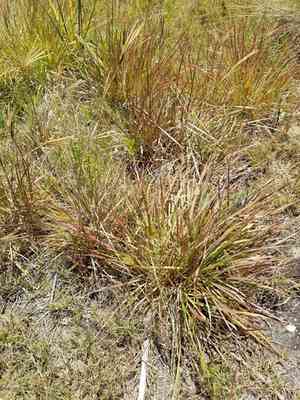
Saltmarsh fingergrass (Eustachys glauca)
Also known as: Eustachys Bristlegrass, Fingergrass
Bermuda grass is a warm-season perennial grass prevalent in the southeastern United States. It is commonly grazed by livestock such as cattle, sheep, and horses. However, it is important to manage grazing carefully, as overgrazing can easily damage or kill this grass.
In This Article
Attributes of Saltmarsh fingergrass
Lifespan
Perennial
Plant Type
Grass
Plant Height
1.2 m
Spread
20 to 50 cm
Leaf Color
Green Blue
Flower Size
N/A
Flower Color
Yellow Green Brown
Images of Saltmarsh fingergrass
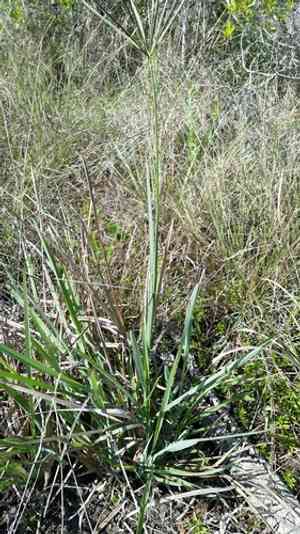
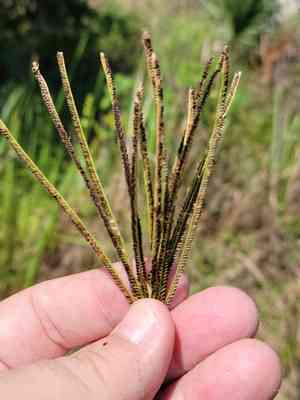
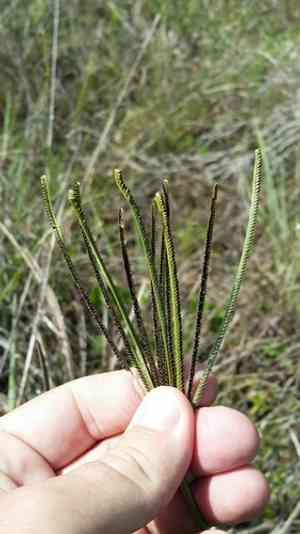
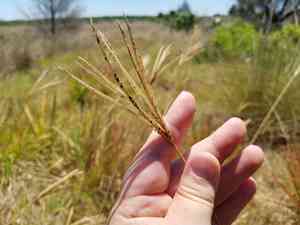
Quickly Identify Saltmarsh fingergrass
1
Eustachys glauca can be identified by its tufted growth, rough-textured leaves, and distinctive finger-like seed heads which are usually greyish-green in color.
Scientific Classification of Saltmarsh fingergrass
Phylum
Vascular plants
Class
Monocotyledons
Order
Poales
Family
Grass
Genus
Fan grass
Species
Saltmarsh fingergrass
Planting and Growing of Saltmarsh fingergrass
Care Difficulty
Easy
Watering Schedule
Every 3 days
Sunlight Requirements
Full sun
Sunshine Duration
4-6 hours
Ideal Temperature
65-75℉
Soil Type
Potting Mix, Peat Mix
Soil pH
6.5-7.5
Fertilizer Type
Balanced
Pruning Season
Spring, Summer
Pruning Area
Branches, Leaves
Pruning Frequency
2 times a year
Repotting Season
Spring
Pot Type
Plastic, Ceramic
 How to Water Saltmarsh fingergrass?
The ideal watering quantity for Eustachys glauca should be around 250 milliliters per session. This ensures the soil is adequately moist without becoming soggy. The principle to follow is giving the plant just enough water to maintain soil dampness to about two inches deep, preventing water stagnation.
What are the symptoms of an underwatered Saltmarsh fingergrass?
›
What should I do if my Saltmarsh fingergrass is not getting enough water?
›
What are the symptoms of an overwatered Saltmarsh fingergrass?
›
How to save an overwatered Saltmarsh fingergrass?
›
 What Are the Sunlight Requirements for Saltmarsh fingergrass?
Eustachys glauca benefits from partial to full sun, where it can maximize growth and foliage health. Proper light ensures energy production through photosynthesis, vital for plant nourishment.
What is the ideal lighting for Eustachys glauca?
›
How can I achieve ideal lighting conditions for Eustachys glauca?
›
Why is ideal lighting important for Eustachys glauca?
›
 What Is the Ideal Temperature Range for Saltmarsh fingergrass?
For Eustachys glauca, the optimal growth temperature ranges from 65°F to 75°F. Within this range, the plant can perform photosynthesis efficiently and maintain healthy growth patterns. Consistently maintaining these temperatures allows for ideal metabolic rates and energy usage within the plant's cellular activities.
 What Soil is Best for Saltmarsh fingergrass?
Eustachys glauca thrives in soils that offer excellent drainage capabilities. Such conditions prevent water logging, which can cause root rot. By maintaining soil aeration, the plant can absorb essential nutrients more efficiently. This plant prefers soils that are not excessively nutrient-rich, as too much fertility can lead to excessive vegetative growth and weak root systems. A balanced nutrient profile supports robust growth and stability. While drainage is crucial, retaining some moisture in the soil helps sustain the plant during dry periods. This balance ensures consistent growth and vitality even in less-than-ideal watering conditions.
 How to Fertilize Saltmarsh fingergrass?
Eustachys glauca requires a balanced approach when it comes to fertilization. Ensure that you provide a moderate amount based on the plant’s specific needs. Generally, applying around 20 grams of slow-release fertilizer per square meter annually will suffice, while a diluted liquid fertilizer can be used at half the recommended concentration. Over-fertilization can damage the roots, so take care to avoid excess.
 How to Prune Saltmarsh fingergrass?
Inspect your Eustachys glauca regularly for signs of pests, especially after pruning. Open cuts can attract insects. Address any pest issues immediately to protect the plant’s health. While pruning promotes healthy growth, cutting more than a third of the plant at once can stress Eustachys glauca. Aim for gradual shaping over multiple sessions instead of drastic changes. Prune on a dry day to minimize the risk of fungal infections. Wet conditions can encourage pathogen growth in open wounds. Proper timing ensures a less risky recovery process.
More About Pruning Techniques→
 How to Propagate Saltmarsh fingergrass plant?
1
Before propagating, prepare a potting medium by mixing equal parts of peat moss and perlite. This blend ensures good drainage and aeration, which is critical for young plants to develop strong roots.
2
Choose healthy, disease-free sections from the parent plant. Ensure the cuttings are at least 4 to 6 inches long and contain several leaves. This length offers a better chance for successful rooting.
3
Sow seeds thinly across the surface of the prepared soil, lightly covering them with a thin layer of soil. Gently water the soil to avoid displacing seeds and place the tray in a warm location with indirect sunlight.
 How to Repot Saltmarsh fingergrass plant?
1
Eustachys glauca shows signs that it needs repotting when roots start to appear through the drainage holes of the current pot, or when you notice slow growth during the active growth season. You may also see the plant becoming top-heavy as it outgrows its current container.
2
Select a pot that is just one size larger than the current one to prevent excessive soil retention which can lead to root rot. Opt for a pot with drainage holes to allow excess water to escape, ensuring the roots remain healthy and aerated.
3
Use well-draining, sandy soil to mimic its natural habitat. This soil type ensures proper drainage while retaining enough moisture for the plant's needs, preventing root rot and promoting robust growth by allowing roots to breathe.
Learn More About Saltmarsh fingergrass Diseases
Anthracnose
Bacterial Leaf Spot
Bacterial Soft Rot
Bacterial Wilt
Black Spot
Chemical Injury
Crown Gall
Cyst Nematode
Damping-off
Downy Mildew
Drought Stress
Fusarium Wilt
Gray Mold
Leaf Curl
Leaf Spot
Mosaic
Nutrient Deficiency
Nutrient Toxicity
Powdery Mildew
Root Rot
Root-knot Nematode
Rusts
Sooty Mold
Spider Mites
Temperature Stress
Thrips Damage
White Mold



