How to Prune Saltmarsh fingergrass?
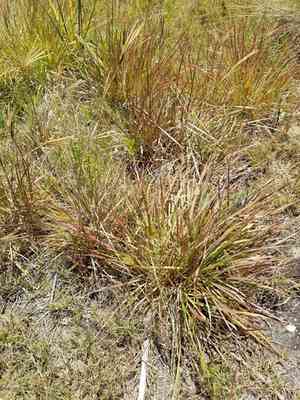
A preferred choice for coastal areas, 'saltmarsh fingergrass' is a robust perennial grass recognized for its ability to withstand salty conditions. Trimming should be performed in early spring or during the winter, prior to the start of vigorous growth. Trim back all previous foliage to soil level to stimulate new development and preserve a neat look. Undertaking pruning during these periods can revitalize 'saltmarsh fingergrass' and boost its hardiness. Meticulous elimination of withered stalks and leaves will additionally deter uncontrolled propagation and dispersal.
What Are the Benefits of Pruning Saltmarsh Fingergrass?
What Are the Benefits of Pruning Saltmarsh Fingergrass?
Saltmarsh fingergrass flourishes with consistent trimming, which promotes robust development. Pruning helps maintain its desired form and size, ensuring saltmarsh fingergrass stays healthy and visually appealing.
What Is the Best Time for Pruning Saltmarsh Fingergrass?
What Is the Best Time for Pruning Saltmarsh Fingergrass?
The optimal seasons for trimming saltmarsh fingergrass are early spring and winter. In early spring, saltmarsh fingergrass enters an active growth phase, making it ideal for shaping and trimming, as pruning can stimulate strong, vibrant new growth. Winter, being the dormant period for saltmarsh fingergrass, is perfect for larger cuts and structural pruning. This timing minimizes plant stress since it's not actively growing, allowing it to heal and conserve energy for the spring growth surge. Both seasons help maintain saltmarsh fingergrass's health and appearance, ensuring a vigorous growth cycle and preventing unnecessary loss of flowers or fruits, as saltmarsh fingergrass typically won't be flowering or fruiting then.
What Tools Do I Need to Prune Saltmarsh Fingergrass?
Hand Pruners
Perfect for trimming and shaping saltmarsh fingergrass, enabling precise cuts without harming delicate stems.
Grass Shears
Useful for cutting back clumps and maintaining saltmarsh fingergrass edges, providing control over the grass's shape.
Pruning Saw
Effective for removing thicker, woody stems if saltmarsh fingergrass develops such growth, which can occasionally occur in mature clumps.
How to Prune Saltmarsh Fingergrass
Disinfect tools
Before beginning the pruning process, ensure all tools are clean and disinfected to prevent disease spread to saltmarsh fingergrass. Use a solution of one part bleach to nine parts water to soak tools for at least 30 seconds.
Identify diseased leaves
Carefully inspect saltmarsh fingergrass to spot diseased leaves. These might appear discolored, spotted, or show unusual growth. Removing them is crucial for saltmarsh fingergrass's health.
Prune diseased leaves
Using sharp, disinfected pruning shears, carefully cut diseased leaves from saltmarsh fingergrass as close to the leaf base as possible without damaging main stems. Ensure each cut is clean for quick healing.
Identify withered leaves
Examine saltmarsh fingergrass for withered leaves, which may look dry, brown, and brittle. Pruning these is important to encourage healthy new growth and improve air circulation within saltmarsh fingergrass.
Prune withered leaves
Remove the identified withered leaves from saltmarsh fingergrass using the same disinfected, sharp shears. Make cuts near the leaf base, being careful not to harm the plant's healthy tissue.
Common Pruning Mistakes with Saltmarsh Fingergrass
Overpruning
Removing too much foliage from saltmarsh fingergrass can stress the plant, leading to stunted growth or a weakened state more vulnerable to pests and diseases.
Improper cut location
Cutting too far from a bud or node can result in unsightly stubs on saltmarsh fingergrass, while cutting too close can damage growing tissues and hinder proper regrowth.
Using dull tools
Pruning saltmarsh fingergrass with dull tools can cause jagged cuts that heal poorly, making the plant more susceptible to infection and disease.
Neglecting hygiene
Failing to clean tools before and after pruning saltmarsh fingergrass can spread pathogens from infected plants to healthy ones.
Ignoring plant structure
Pruning without understanding saltmarsh fingergrass's growth pattern may prevent the plant from maintaining its natural form and optimal health.
Common Pruning Tips for Saltmarsh Fingergrass
Sharp clean tools
Use sharp, clean pruning shears for saltmarsh fingergrass to ensure clean cuts that heal quickly, reducing disease risk.
Know growth nodes
Familiarize yourself with saltmarsh fingergrass's node locations to make precise cuts that promote healthy new growth.
Gradual pruning
Prune saltmarsh fingergrass gradually over time rather than all at once, allowing the plant to recover and maintain vigor.
Remove damaged growth
Regularly remove damaged or dead vegetation from saltmarsh fingergrass to improve air circulation and overall plant health.
Thin crowded areas
Thin out overcrowded areas of saltmarsh fingergrass to prevent excessive competition for light and nutrients, which can enhance overall plant vitality.



