How to Transplant Arctic aster?
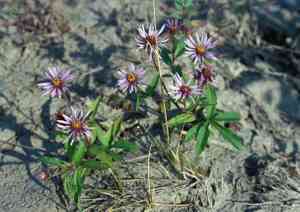
Arctic aster flourishes optimally when relocated from the beginning to the end of spring, capitalizing on lower temperatures and new developmental phases. Select a site receiving full sun or partial shade, featuring soil that drains effectively, to guarantee its successful rooting.
Necessary Preparations Before Relocating Arctic Aster?
When is the Best Time to Move Arctic Aster?
The prime period for relocating arctic aster spans from the beginning of early spring to the close of late spring. This timeframe offers suitable soil conditions and mild temperatures, fostering robust root development. Transplanting during this season helps arctic aster establish firmly before summer, enhancing its growth and longevity.
What Distance Should You Maintain Between Arctic Aster Plants?
When relocating arctic aster, aim to position the plants approximately 24 inches (60 cm) apart. This provides ample room for growth and flourishing without competing for nutrients and sunlight.
What is the Optimal Soil Blend for Arctic Aster Relocation?
Prepare the soil for arctic aster by ensuring it drains well and is rich in organic matter. A mixture of garden soil with compost or a slow-release base fertilizer will supply the essential nutrients.
Where Should You Replant Your Arctic Aster?
Select a sunny location for relocating arctic aster, as they thrive with at least 6 hours of daily sunlight. In hotter climates, a spot with some afternoon shade can help prevent scorching.
What Tools Should You Prepare Before Relocating Arctic Aster?
Gardening Gloves
To safeguard your hands while handling soil and plants.
Small Shovel or Trowel
To excavate around and extract the plant from its initial spot.
Pruning Shears
To trim any damaged or dead roots or foliage.
Watering Can
To hydrate the plant before and after relocation.
Garden Fork
To assist in loosening the soil in the new planting area.
Mulch
To insulate the soil and retain moisture around the plant.
Measuring Tape or Stick
To ensure the planting hole has the appropriate depth and width.
How Do You Extract Arctic Aster from the Ground?
How Do You Extract Arctic Aster from the Ground?
From Ground: First, water the arctic aster plant to moisten the soil. Then, dig a wide trench around the plant using a small shovel or trowel, ensuring the plant's root ball remains intact. Carefully work the tool under the root ball to lift the plant from its original location.From Pot: Begin by watering the arctic aster plant thoroughly to loosen the soil. Gently turn the pot on its side and tap the sides to release the root ball. Hold the base of the plant carefully as you slide it out of the pot, making sure to keep the root ball undamaged.From Seedling Tray: Water the seedlings well before removal. Gently squeeze and tap the individual cells of the tray to loosen the seedlings. Carefully lift each seedling by its leaves (not the stem) to avoid damaging the young plants or root systems.
Step-by-Step Guide for Relocating Arctic Aster
Planting Hole Preparation
Excavate a hole in the new spot that is twice as wide and equally as deep as the arctic aster plant's root ball. Loosen the soil at the bottom and sides of the hole to facilitate easier root establishment.
Positioning the Plant
Place the arctic aster plant into the hole, ensuring the top of the root ball is level with, or slightly above, the surrounding soil. Fill the hole halfway with soil, then water it to help eliminate air pockets.
Backfilling
Continue filling the hole with soil until it's slightly mounded over the root ball. Lightly press the soil down to secure the plant, adding more soil if it settles.
Watering
Water the entire planting area generously to help the soil settle and to provide the plant with a good initial supply of moisture.
Mulching
Apply a 2-3 inch layer of mulch around the base of the plant, making sure to keep it a few inches away from the stem to prevent rotting.
How Do You Care For Arctic Aster After Relocation?
Watering
Keep the soil around the arctic aster consistently moist, but not waterlogged, for the initial few weeks after relocation to aid in strong root establishment.
Fertilizing
Avoid fertilizing the plant immediately after relocation. Wait until you observe new growth before applying a balanced slow-release fertilizer to prevent stress.
Monitoring
Regularly inspect the plant for indications of relocation shock, such as wilting or discoloration. If these occur, provide additional water and ensure the plant is not exposed to extreme conditions.
Pruning
Trim any wilted or damaged leaves or stems to help the plant direct its energy towards root establishment and new growth.
Protection
Consider using a temporary windbreak or shade cloth if the plant is exposed to strong winds or intense sunlight during the first few weeks.
Addressing Common Issues with Arctic Aster Relocation.
When is the best time to relocate arctic aster?
The optimal time to relocate arctic aster is from early spring to late spring for best results.
How much spacing should I leave between each arctic aster plant?
Ensure approximately 24 inches (60 cm) between each arctic aster plant for optimal growth.
How can I prepare the soil for relocating arctic aster?
Prepare soil by enriching it with compost and ensuring good drainage before planting arctic aster.
How deeply should arctic aster be planted?
Plant arctic aster at the same depth it was growing previously to prevent stress.
What should I do if arctic aster appears wilted after relocating?
Ensure adequate watering and provide a little shade until arctic aster stabilizes post-relocation.
How can I reduce relocation shock for arctic aster?
Water the plant well before and after moving it to minimize relocation shock for arctic aster.
What type of mulch should I use around arctic aster?
Use organic mulch like straw or wood chips around arctic aster to retain moisture and control weeds.
How often should I water arctic aster after relocating?
Water arctic aster thoroughly immediately after relocating and keep the soil consistently moist for the next few weeks.
Can I relocate arctic aster in fall?
Relocating arctic aster in fall is not ideal; early to late spring ensures better establishment.
What are the common signs of relocation stress in arctic aster?
Common signs of stress include wilting, yellowing of leaves, and slowed growth. Adjust care as needed.



