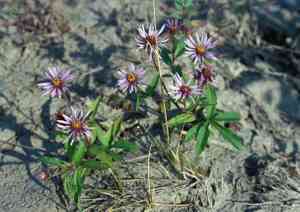
Arctic aster (Eurybia sibirica)
Also known as: Siberian Aster
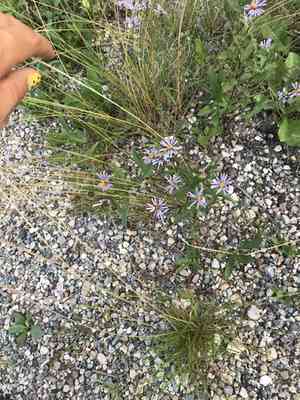
The Arctic aster is a robust perennial well-suited to the cool Siberian climate. It forms clumps with lance-shaped leaves and produces clusters of daisy-like, lavender-blue flowers from late summer to fall. These attractive blooms, surrounded by dense foliage, draw in numerous pollinators, aiding in the plant's survival and spread in its native subarctic regions.
In This Article
Attributes of Arctic aster
Lifespan
Perennial
Plant Type
Herb
Plant Height
0 mm to 30 cm
Spread
20-30 cm
Leaf Color
Green
Flower Size
2-3 cm
Flower Color
Purple, Blue
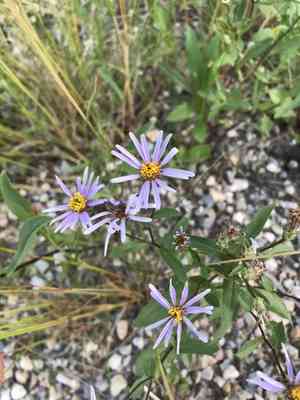
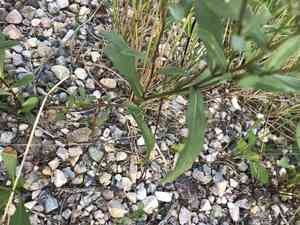
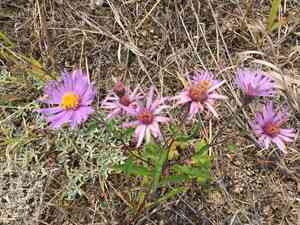
Images of Arctic aster
Quickly Identify Arctic aster
1
Eurybia sibirica can be identified by its lance-shaped leaves, purple or blue flowers with a yellow center, and its tendency to grow in clusters.
Scientific Classification of Arctic aster
Phylum
Vascular plants
Class
Dicotyledons
Order
Asterales
Family
Daisy
Genus
Eurybia
Species
Arctic aster
Planting and Growing of Arctic aster
Care Difficulty
Moderate
Watering Schedule
Every 3 days
Sunlight Requirements
Partial sun
Sunshine Duration
4-8 hours
Ideal Temperature
60-70℉
Soil Type
Potting Mix, Peat Mix
Soil pH
6.5-7.5
Fertilizer Type
Balanced
Pruning Season
Spring, Summer
Pruning Area
Branches, Leaves
Pruning Frequency
2 times a year
Repotting Season
Spring
Pot Type
Plastic, Ceramic
 How to Water Arctic aster?
Eurybia sibirica prefers a consistent watering schedule that mimics its natural habitat. Ensure that the soil is moist but not overly saturated. Water the plant thoroughly until the excess begins to seep out of the drainage holes, ensuring the roots receive adequate hydration without being waterlogged.
What are the symptoms of an underwatered Arctic aster?
›
What should I do if my Arctic aster is not getting enough water?
›
What are the symptoms of an overwatered Arctic aster?
›
How to save an overwatered Arctic aster?
›
 What Are the Sunlight Requirements for Arctic aster?
Eurybia sibirica prefers partial sunlight, meaning it should be exposed to four to six hours of light daily. Ideal lighting enhances flowering, leaf color, and overall vitality.
What is the best lighting condition for Eurybia sibirica?
›
How can the ideal lighting condition be achieved?
›
What benefits does ideal lighting provide?
›
 What Is the Ideal Temperature Range for Arctic aster?
The ideal temperature range for cultivating Eurybia sibirica is between 60 and 70°F. This range provides the necessary warmth to ensure healthy growth and robust flowering. Maintaining this temperature balance is critical for the plant's photosynthetic processes and overall vigor.
 What Soil is Best for Arctic aster?
Eurybia sibirica thrives in well-draining soil that prevents waterlogging, which can lead to root rot. A loamy or sandy loam soil with good drainage ensures that the roots receive enough air and nutrients without becoming oversaturated. This setup is ideal for the plant's health and growth. This plant prefers soil that is rich in organic material and nutrients. Amending the soil with compost or well-rotted manure can provide the necessary nourishment. Such a nutrient-dense environment supports robust growth and vibrant foliage. Eurybia sibirica favors soil with a slightly acidic pH range of 6.5 to 7.5. This acidity level helps balance nutrient availability, ensuring the plant can absorb essential minerals efficiently.
 How to Fertilize Arctic aster?
Eurybia sibirica requires a balanced nutrient supply to thrive. For liquid fertilizers, use a diluted solution at half the recommended strength to avoid burning the roots. When applying slow-release fertilizers, use 50 grams per square meter to ensure a steady nutrient supply over time.
 How to Prune Arctic aster?
Always use sharp, clean pruning shears to make clean cuts. This reduces the risk of tearing plant tissue and minimizes the chance of infection or disease.
More About Pruning Techniques→
 How to Propagate Arctic aster plant?
1
Start by filling seed trays with a quality seed-starting mix. Sow Eurybia sibirica seeds on the surface and cover them lightly with soil. Maintain a temperature around 18-20°C (64-68°F) for optimal germination.
2
Once the seedlings have developed a set of true leaves, carefully transplant them into individual pots. Ensure that the soil remains moist but not waterlogged and provide ample sunlight to promote growth.
3
In early spring, lift established plants with a garden fork. Use a sharp knife to divide the root ball into sections, ensuring each has a good supply of roots and shoots. Replant immediately at the same depth they were growing.
 How to Repot Arctic aster plant?
1
Eurybia sibirica shows signs it's ready for repotting when you notice roots emerging from the drainage holes, which indicates root crowding. Additionally, if the growth slows or the pot feels too tight, it's time to consider giving it more space to thrive.
2
Select a pot that's one to two inches larger in diameter than the current one. A pot with good drainage is crucial to prevent water-logging, which Eurybia sibirica dislikes. A terracotta or ceramic pot with drainage holes will provide optimal aeration and moisture control.
3
Opt for a well-draining loamy soil mix to allow for proper air circulation and avoid water retention. This type of soil helps to mimic the plant's natural environment, promoting healthier roots and more vigorous growth.
Learn More About Arctic aster Diseases
Anthracnose
Bacterial Leaf Spot
Bacterial Soft Rot
Bacterial Wilt
Black Spot
Chemical Injury
Crown Gall
Cyst Nematode
Damping-off
Downy Mildew
Drought Stress
Fusarium Wilt
Gray Mold
Leaf Spot
Mosaic
Nutrient Deficiency
Nutrient Toxicity
Powdery Mildew
Root Rot
Root-knot Nematode
Rusts
Sooty Mold
Spider Mites
Temperature Stress
Thrips Damage
White Mold



