How to Prune Arctic aster?
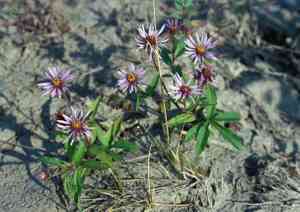
Recognizable by its vivid, daisy-shaped blossoms and resilience to cold, arctic aster thrives with trimming in early spring or late winter. Sever any deceased or compromised stalks to foster robust development and sculpt the plant for enhanced air movement. Consistent trimming aids in preserving a tidy look and stimulates more abundant flowering. Eliminating faded blooms can additionally prolong the flowering period. Always employ sanitized, keen implements to avert illnesses and guarantee swift recuperation.
What Are the Benefits of Pruning Arctic Aster?
What Are the Benefits of Pruning Arctic Aster?
Trimming arctic aster encourages robust development and maintains its form. Pruning aids in pest and disease resistance, boosts flowering, and prevents overcrowding. Regular trimming fosters healthy growth and a stronger framework.
What Is the Best Time for Pruning Arctic Aster?
What Is the Best Time for Pruning Arctic Aster?
Trimming arctic aster in late winter or early spring is optimal as it coincides with the plant's dormant phase. During dormancy, arctic aster exhibits minimal growth, which lessens stress and disease risk post-pruning. Furthermore, pruning before new spring growth ensures the plant channels energy into vigorous development and abundant blooms. Pruning at these times also helps maintain the plant's shape and improves air circulation, leading to healthier foliage and a more impressive floral display.
What Tools Do I Need to Prune Arctic Aster?
Hand Pruners (Bypass Pruners)
Perfect for precise cuts on delicate stems and small branches of arctic aster. Bypass pruners create clean cuts that promote rapid healing.
Pruning Shears
Useful for managing larger clusters and shaping the overall growth of arctic aster. These are particularly handy during the active growing period.
Pruning Saw
For thicker, woody stems that might appear in mature or neglected arctic aster plants. A pruning saw allows for smoother cuts on larger branches.
Pole Pruner
Beneficial for reaching taller growths of arctic aster without needing a ladder, ensuring safety and ease during trimming.
Sterilizing Solution
Crucial for cleaning tools between cuts to prevent disease spread and ensure the health of arctic aster. A simple solution like rubbing alcohol or a bleach-water mixture is effective.
How to Prune Arctic Aster
Inspection
Thoroughly examine the plant to identify any diseased or withered leaves. Look for clear indicators such as discoloration, spots, or wilting.
Sanitize
Disinfect your pruning tools with a solution of one part bleach to nine parts water to prevent the spread of pathogens.
Trim diseased
Using clean, sharp pruning shears, carefully remove any diseased leaves. Make cuts approximately one inch below the infected area to ensure complete disease removal. Dispose of the infected material in a trash bag to avoid contaminating the compost pile.
Trim withered
Remove withered leaves by cutting them at their base where they connect to the stem. Ensure you make clean cuts to avoid stressing the plant.
Disposal
Collect and properly dispose of all trimmed plant material. Significantly reduce the risk of disease spreading by not leaving it near the plant.
Common Pruning Mistakes with Arctic Aster
Incorrect timing
Pruning at an inappropriate time can shock arctic aster, impeding its growth and delaying or reducing its blooms.
Over-pruning
Removing excessive foliage can weaken the plant and diminish its capacity for photosynthesis, thereby affecting its health and vigor.
Cutting too close to the base
Making cuts too near the stem bases can harm the plant, as this area is vital for its overall structure and future development.
Improper tool usage
Using dull or unclean tools can create jagged cuts that are more susceptible to disease and pest infestations.
Removing healthy growth
Unnecessarily pruning healthy, flowering stems can reduce the plant's ability to bloom and may result in a less attractive appearance.
Common Pruning Tips for Arctic Aster
Use sharp, clean tools
Always use sharp, clean pruning shears or scissors to make precise cuts, minimizing the risk of disease transmission and ensuring clean cuts.
Focus on dead or diseased wood
Prioritize the removal of any dead, diseased, or damaged stems to help direct the plant's energy towards healthy growth.
Thin out crowded stems
Ensure better air circulation and sunlight penetration by thinning out dense areas, which helps prevent fungal issues and promotes robust growth.
Make clean cuts
Cut at a slight angle above a bud or a node to encourage proper healing and new growth, reducing the likelihood of dieback.
Limit the amount pruned
Only prune a maximum of one-third of the plant at a time to avoid stressing arctic aster and to maintain its energy for flowering.



