How to Transplant Schreber's aster?
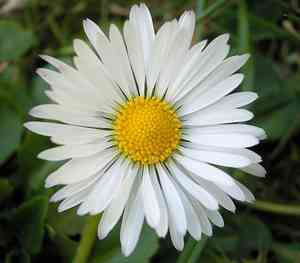
Schreber's aster flourishes when relocated between early spring and early summer, allowing new development to take hold. Select a site offering partial shade and soil that drains effectively. Steer clear of overly wet spots to avert root decay.
What Preparations are Needed Before Transplanting Schreber's Aster?
What is the Ideal Time for Transplanting Schreber's Aster?
Schreber's aster should ideally be moved from early to late spring or early summer. This period allows the soil to be sufficiently warm for root development, providing a full growing season for adaptation and flourishing. Relocating during this time maximizes the plant's resilience and potential for growth before harsher weather arrives.
How Much Space Should You Leave Between Schreber's Aster Plants?
When relocating schreber's aster, ensure each plant is spaced approximately 12-18 inches (30-45 cm) apart. This provides ample room for their growth and spread, promoting healthy development.
What is the Best Soil Mix for Schreber's Aster Transplanting?
For schreber's aster, utilize well-draining soil rich in organic matter. Prepare the soil by incorporating a balanced base fertilizer, such as a 10-10-10 (N-P-K) blend, to provide a nutrient boost and support vigorous growth.
Where Should You Relocate Your Schreber's Aster?
Select a site with partial to full sunlight for moving schreber's aster. They thrive in locations receiving 4-6 hours of daily sunlight, so seek out a garden spot with dappled shade or morning sun.
What Equipments Should You Prepare Before Transplantation Schreber's Aster?
Gardening Gloves
To safeguard your hands while handling soil and plants.
Spade or Shovel
To excavate around the plant's root ball and to dig new planting holes.
Trowel
For making precise adjustments and small excavations at the new planting site.
Watering Can or Hose
To hydrate the plant immediately following its relocation.
Mulch
To aid in retaining moisture around the newly transplanted plant.
Stakes and Twine
To offer support to the plant if it is tall or exposed to strong winds.
How Do You Remove Schreber's Aster from the Soil?
How Do You Remove Schreber's Aster from the Soil?
From Ground: First, water the schreber's aster to moisten the soil. Then, dig a wide trench around the plant using a spade or shovel, ensuring the plant's root ball remains intact. Carefully work the spade beneath the root ball to lift the plant from its original spot.From Pot: Gently water the schreber's aster to make the soil damp. Invert the pot while supporting the plant and gently tap or squeeze the pot to loosen the soil. Carefully slide the plant out, holding it by the root ball.From Seedling Tray: Water the schreber's aster seedlings to dampen the soil. Use a trowel or your fingers to gently lift the seedlings, ensuring the root ball stays intact. Be gentle to avoid harming the delicate roots and stems.
Step-by-Step Guide for Transplanting Schreber's Aster
Prepare the New Site
Dig a hole that is twice as wide and equal to the depth of the schreber's aster's root ball. Ensure the soil is loosened and well-aerated in the area surrounding the hole.
Transplanting the schreber's aster
Position the schreber's aster in the hole, making sure the top of the root ball is level with the ground surface. Backfill the hole with soil, gently patting it down to eliminate air pockets. Ensure the plant is stable but not overly compacted.
Watering
After relocating, thoroughly water the schreber's aster to help the soil settle around the roots. Continue to water regularly to keep the soil consistently moist as the plant establishes itself.
Mulching
Apply a layer of mulch around the base of the schreber's aster, leaving a small gap around the stem. Mulch aids in retaining soil moisture and regulating temperature.
How Do You Care For Schreber's Aster After Transplanting?
Watering
Keep the soil around the schreber's aster consistently moist, but not waterlogged, for the initial weeks after transplanting to encourage strong root development.
Monitoring
Regularly check the schreber's aster for indications of transplant shock such as wilting or browning leaves. If symptoms appear, confirm adequate watering and consider providing temporary shade.
Supporting
Utilize stakes and twine to offer support to the plant if it is tall or if strong winds are anticipated.
Fertilizing
Avoid fertilizing immediately after transplanting. Wait a few weeks to ensure the roots have settled in their new location before applying a balanced fertilizer.
Troubleshooting Common Issues with Schreber's Aster Transplantation.
When is the best time to transplant schreber's aster?
Relocate schreber's aster from early spring to late spring or early summer for optimal growth.
How should I prepare the soil before transplanting schreber's aster?
Ensure well-drained soil, enhanced with compost or organic matter to improve fertility and structure.
What spacing is ideal for transplanting schreber's aster?
Space schreber's aster plants 12-18 inches (30-45 cm) apart to allow for their growth and air circulation.
How deep should I plant schreber's aster seedlings?
Plant schreber's aster seedlings at the same depth as they were in their original containers.
What should I do if schreber's aster plants wilt after transplanting?
Ensure consistent watering and avoid direct sunlight immediately after transplanting to minimize wilting.
How can I avoid transplant shock for schreber's aster?
Transplant on overcast days or in the evening, water thoroughly, and avoid disturbing the roots.
What type of mulch is best for schreber's aster after transplanting?
Use organic mulch like straw or leaf litter around schreber's aster to retain moisture and regulate temperature.
How often should I water schreber's aster after transplanting?
Water schreber's aster regularly, ensuring the soil remains moist but not waterlogged until established.
What should I do if the roots of schreber's aster are damaged during transplanting?
Trim any damaged roots and replant schreber's aster promptly, keeping the soil consistently moist.
Can I transplant schreber's aster in the fall?
It's best to relocate schreber's aster in early spring to late spring or early summer when the plant is actively growing.



