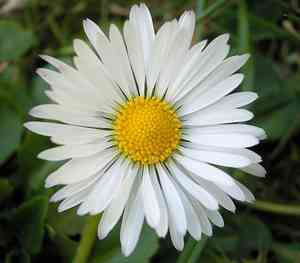
Schreber's aster (Eurybia schreberi)
Also known as: Schreber's wood aster
This plant is indigenous to eastern North America, including regions of Canada and the United States. Its flower heads bloom in late summer or early fall, featuring white ray florets and yellow disc florets. It is considered endangered in Indiana and Iowa, of special concern in Tennessee, and possibly extirpated in Maine.
In This Article
Attributes of Schreber's aster
Lifespan
Perennial
Plant Type
Herb
Plant Height
60 cm
Spread
40 cm
Leaf Color
Green
Flower Size
1-2 cm
Flower Color
White Yellow
Images of Schreber's aster
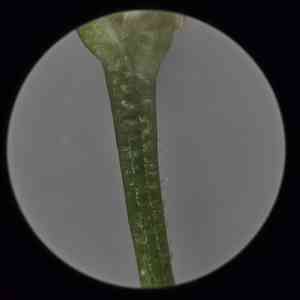
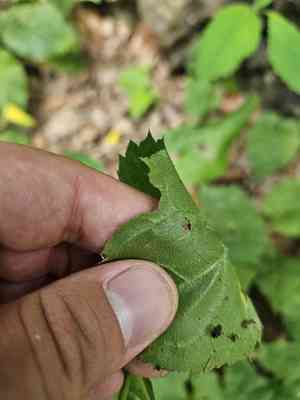
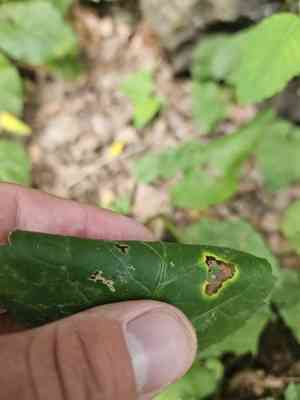
Quickly Identify Schreber's aster
1
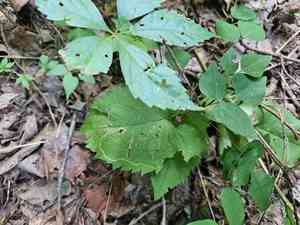
Eurybia schreberi can be identified by its linear, lance-shaped leaves and small, white to pale lavender ray flowers surrounding yellow disk florets.
Scientific Classification of Schreber's aster
Phylum
Vascular plants
Class
Dicotyledons
Order
Asterales
Family
Daisy
Genus
Eurybia
Species
Schreber's aster
Planting and Growing of Schreber's aster
Care Difficulty
Easy
Watering Schedule
Every 4 days
Sunlight Requirements
Partial sun
Sunshine Duration
4-8 hours
Ideal Temperature
60-75℉
Soil Type
Potting Mix, Peat Mix
Soil pH
5.5-7
Fertilizer Type
Balanced
Pruning Season
Spring, Summer
Pruning Area
Branches, Leaves
Pruning Frequency
2 times a year
Repotting Season
Spring
Pot Type
Terracotta, Plastic
 How to Water Schreber's aster?
For Eurybia schreberi, it is essential to maintain consistently moist soil, but not waterlogged. Watering should ensure the top 2 inches of soil feel damp but not soaking. Allow the soil to slightly dry between watering without letting it completely dry out.
What are the symptoms of an underwatered Schreber's aster?
›
What should I do if my Schreber's aster is not getting enough water?
›
What are the symptoms of an overwatered Schreber's aster?
›
How to save an overwatered Schreber's aster?
›
 What Are the Sunlight Requirements for Schreber's aster?
Eurybia schreberi thrives in partial sun to full shade conditions. Ideal light promotes lush foliage, balanced growth, and encourages healthy flowering, ensuring the plant reaches its ornamental potential.
What is the best location for Eurybia schreberi?
›
How can I ensure Eurybia schreberi gets sufficient light?
›
What benefits does ideal lighting provide to Eurybia schreberi?
›
 What Is the Ideal Temperature Range for Schreber's aster?
The ideal temperature range for growing Eurybia schreberi is between 60°F and 75°F. This range provides the best conditions for photosynthesis and overall plant health. Maintaining consistent temperatures within this range promotes robust growth and flowering.
 What Soil is Best for Schreber's aster?
Eurybia schreberi benefits from well-drained soil as it prevents root rot and ensures proper oxygen exchange. This condition is crucial for its health and promotes robust growth. Soil rich in organic matter provides essential nutrients for Eurybia schreberi, supporting its lush foliage and vibrant flowering. It promotes beneficial microbial activity that enhances plant health. Eurybia schreberi thrives in soil that maintains moderate moisture. This balance ensures the plant's metabolic processes function optimally, promoting sustained and healthy growth.
 How to Fertilize Schreber's aster?
Eurybia schreberi, commonly known as Schreber's aster, enjoys moderate fertilization due to its woodland habitat preference. Use a liquid fertilizer diluted to half its recommended strength. Apply around 500ml of this diluted mixture per plant, ensuring even distribution across the root zone.
 How to Prune Schreber's aster?
Before you begin, ensure all tools are sharp and clean to avoid any disease transmission. Disinfect tools with rubbing alcohol or a bleach solution. Look for branches or leaves that appear diseased, dead, or damaged. These should be removed first to prevent the spread of pathogens. Trim the outer branches to maintain a rounded shape. This promotes better airflow and sunlight penetration, which ensures a robust plant. Eliminate suckers that may sap energy from the plant and cut back any weak, spindly growth which might impede the fuller growth of healthier branches.
More About Pruning Techniques→
 How to Propagate Schreber's aster plant?
1
Collect seeds from mature Eurybia schreberi plants in the early spring. Ensure that seeds are healthy and fully mature to increase germination rates.
2
When the plant begins to grow actively in spring, dig up the mature plant and use a spade or knife to carefully divide the root mass into sections. Each section should have roots and shoots for successful propagation.
3
Place collected seeds into prepared seed trays with a suitable substrate. Cover lightly with soil and water gently. Keep trays in a warm environment with indirect light.
 How to Repot Schreber's aster plant?
1
Repot Eurybia schreberi when you notice its roots emerging through the drainage holes or when growth significantly slows down. This indicates the plant has outgrown its current pot, requiring more space to thrive.
2
Choose a pot about 2 inches larger in diameter than the current one, with good drainage holes. This extra space allows room for root expansion and prevents waterlogging, promoting healthier growth.
3
Opt for a well-draining potting mix with a combination of peat, perlite, and a bit of sand. This combination ensures proper aeration and moisture retention, preventing root rot.



