How to Propagate Schreber's aster?
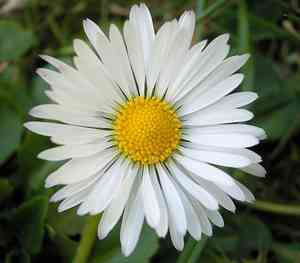
Schreber's aster, a perennial herb frequently encountered in woodland settings, flourishes in dim conditions and attains a maximum height of 2 feet. To propagate, gather seeds from fully developed blooms and promptly disperse them by scattering directly onto the ground. Gently press the seeds without burying them, ensuring continuous dampness. This species benefits from fertile, well-aerated soil and consistent irrigation to establish its root system. Careful handling during early development phases enhances its chances of survival.
Optimal Time for Schreber's Aster Propagation
Propagation Method
Seeding
Propagation Period
Spring
Tools for Schreber's Aster Propagation
Seed Tray
A shallow container with small sections for sowing seeds and maintaining a controlled environment. Crucial for providing a consistent, protected space for seed germination.
Seed Starting Mix
A light, well-draining substrate specifically formulated for germinating seeds. Ensures ideal moisture levels and aeration for schreber's aster's seedlings.
Misting Bottle
A spray device to gently moisten the soil without disturbing seeds. Helps maintain the necessary humidity for seed germination and prevents soil compaction.
Humidity Dome
A clear cover placed over the seed tray to create a moist environment. Retains moisture and warmth, vital for schreber's aster seeds to sprout.
Heat Mat
An electric mat positioned under the seed tray to provide consistent warmth from below. Promotes faster and more uniform germination by stabilizing soil temperatures.
Labels and Markers
Plastic or wooden tags and waterproof pens to track different seed batches. Important for identifying schreber's aster and monitoring their progress.
Fine-Mesh Sieve
A sifter to finely screen the seed starting mix for an even surface. Ensures small seeds of schreber's aster have good soil contact and germinate uniformly.
Tweezers
Precision instruments for handling small seeds with care. Useful for accurately placing schreber's aster seeds in the seed tray compartments without causing damage.
How to Propagate Schreber's Aster?
Propagation Difficulty
Simple
Caring for Your Newly Propagated Schreber's Aster
Caring for Your Newly Propagated Schreber's Aster
Once schreber's aster seedlings have emerged and developed a few true leaves, gradually introduce them to outdoor conditions by exposing them to direct sunlight for several hours daily. Transplant the seedlings to their permanent location, ensuring they receive partial to full sunlight and are planted in well-drained soil. Continue to water regularly, allowing the soil to dry out slightly between waterings to prevent root rot. Apply mulch around the base of the plants to retain soil moisture and suppress weed growth. Monitor for any signs of pests and diseases, and take appropriate actions as needed to keep schreber's aster healthy and thriving.
Common Errors to Avoid When Propagating Schreber's Aster
Excessive Watering
Too much water can lead to root rot and fungal issues, hindering propagation success.
Inappropriate Soil
Using soil that is too dense or retains too much moisture can suffocate roots and impede growth.
Insufficient Light
Lack of adequate light can result in weak, leggy growth and slow the rooting process.
Poor Cutting Quality
Utilizing unhealthy or weak cuttings reduces the likelihood of successful root development.
Incorrect Spacing
Planting cuttings too close together can lead to competition for nutrients and increase disease risk.
Advice for Propagating Schreber's Aster
Well-Draining Soil
Employ soil that allows for good drainage to prevent waterlogging and root rot.
Healthy Cuttings
Choose robust and healthy cuttings to ensure a strong start and good root development.
Moderate Watering
Water cuttings moderately to keep the soil moist but not saturated.
Adequate Light
Position cuttings in a spot with bright, indirect light to encourage strong growth.
Proper Spacing
Space cuttings appropriately to reduce competition and minimize the risk of disease spread.



