How to Prune Schreber's aster?
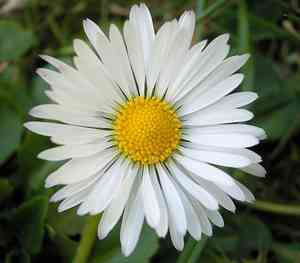
Schreber's aster, recognized for its vivid late-season blossoms, thrives with trimming in the spring and early summer. Removing faded flowers stimulates additional blooming, and shortening leggy stems helps preserve a dense form. Swiftly remove any injured or infected stalks to enhance the plant's well-being and stop the proliferation of ailments. Executing these actions within the designated periods maximizes schreber's aster's development and lifespan, leading to a more robust, aesthetically pleasing specimen.
What Are the Benefits of Pruning Schreber's Aster?
What Are the Benefits of Pruning Schreber's Aster?
Pruning Schreber's aster encourages robust development and maintains its form, fostering vigorous growth, enhancing bloom production, and improving its overall look. Trimming also aids in managing plant size and increasing resistance to pests and diseases.
What Is the Best Time for Pruning Schreber's Aster?
What Is the Best Time for Pruning Schreber's Aster?
Spring and summer are considered optimal periods for pruning schreber's aster, primarily because these seasons align with the plant's active growth phase. Pruning in spring helps stimulate new growth and shaping as schreber's aster emerges from dormancy. During summer, trimming can help manage the plant's spread and eliminate any dead or diseased sections, boosting its overall health. Additionally, this timing avoids cutting into the late-season flowering, ensuring the plant retains its aesthetic appeal and vitality throughout the year.
What Tools Do I Need to Prune Schreber's Aster?
Hand Pruners (Secateurs)
Perfect for precise cuts and trimming smaller stems and branches of schreber's aster. Ensure the tool is sharp to prevent plant damage.
Bypass Pruners
Effective for clean cuts on live, green wood. Bypass pruners are specifically designed to make smooth cuts, reducing disease risk.
Loppers
Offer increased leverage for cutting thicker stems or branches. Best when schreber's aster needs shaping or dead wood removal without much effort.
Pruning Saws
Essential for cutting larger or thicker branches that hand pruners cannot manage. Useful for more mature plants when rejuvenation is required.
Hedge Shears
Efficient for shaping and trimming multiple stems. Good for maintaining the overall appearance of schreber's aster during peak growth periods.
Gloves
Protect hands from sharp stems and potential irritants while pruning schreber's aster. Ensures safety throughout the entire pruning process.
How to Prune Schreber's Aster
Inspection
Carefully examine schreber's aster to identify any diseased leaves, withered leaves, or diseased stems that require removal. Look for signs of discoloration, spots, or decay.
Tools Preparation
Ensure your pruning tools, such as scissors or shears, are clean and sharp to make precise cuts and minimize damage to healthy parts of schreber's aster. Disinfect tools to prevent disease spread.
Remove Diseased Leaves
Gently remove any diseased leaves from schreber's aster by cutting them off at the base with sterilized scissors. Dispose of these leaves away from the plant to prevent spreading. Make clean cuts to reduce the chance of further infection.
Remove Withered Leaves
Trim withered leaves from schreber's aster close to their point of attachment. Avoid tearing the leaves to prevent damage to the plant's living tissue.
Remove Diseased Stems
Cut off any diseased stems of schreber's aster a few inches below the affected area, making the cut at a slight angle. This allows water to run off, reducing the risk of further infection. Again, ensure you dispose of these stems properly to prevent the disease from spreading.
Common Pruning Mistakes with Schreber's Aster
Over-pruning
Many gardeners mistakenly remove too much foliage, which can stress schreber's aster and hinder its growth and blooming potential.
Incorrect cuts
Improper cutting techniques, such as making cuts too close to the bud or at incorrect angles, can harm the plant and create entry points for diseases.
Pruning at the wrong time
Pruning at inappropriate times (see other sections for the best season) can disrupt the plant's natural growth cycle and negatively affect flowering.
Neglecting sanitation
Failing to sterilize pruning tools between cuts can spread disease from one part of the plant to another, or even to other plants.
Common Pruning Tips for Schreber's Aster
Sanitize tools
Always use clean, sterilized tools for cuts, which helps prevent the spread of diseases.
Make clean cuts
Ensure all cuts are clean and made at a 45-degree angle to allow for proper healing and to prevent disease.
Remove damaged growth
Focus on removing any dead or damaged stems and leaves to encourage healthy regrowth and improve air circulation.
Moderate thinning
Thinning out overcrowded areas of the plant helps improve light penetration and air circulation, which promotes healthier growth.
Focus on shape
While pruning, aim to maintain or achieve a desirable shape that allows for even growth and an attractive appearance.



