How to Transplant Southern prairie aster?
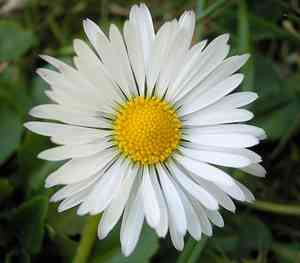
The ideal period to transplant southern prairie aster spans from the onset of early spring through the beginning of summer, facilitating strong root development. Select locations bathed in abundant sunshine. If necessary, amend the soil with organic material to boost the vigor of southern prairie aster.
Necessary Preparations Before Relocating Southern Prairie Aster
Optimal Timing for Southern Prairie Aster Relocation
The best time to move southern prairie aster is from early spring's onset through its peak growth period. Moving southern prairie aster during these months leverages mild weather, promoting strong root development for summer vitality. This timeframe benefits from extended daylight and moderate temperatures, vital for the plant's gradual adjustment to its new spot. By selecting this period, you give southern prairie aster the best possible start, ensuring it flourishes and enhances your garden with minimal stress.
Required Spacing Between Southern Prairie Aster Plants
When getting ready to place your southern prairie aster in its new spot, aim to provide each plant with ample personal room. Ideally, maintain a distance of about 12-18 inches (30-45 cm) between them. This will ensure they have sufficient space to thrive and display their beauty!
Ideal Soil Blend for Southern Prairie Aster Transplanting
For your southern prairie aster, a rich, robust soil is crucial. Consider a mix that is fertile and drains well, with some organic matter to give them an excellent start. Incorporating a balanced, slow-release fertilizer will provide the necessary boost for strong, healthy growth.
Optimal Location for Southern Prairie Aster Relocation
Your southern prairie aster loves the sun, absorbing its rays like a summer's day. Select a location that gets full sunlight to partial shade for best growth. This means any spot where they can enjoy direct sunshine for at least six hours (but honestly, more is better!).
Tools Required Before Transplanting Southern Prairie Aster
Gardening Trowel
For excavating small holes to accommodate the root structure of southern prairie aster.
Watering Can
To gently hydrate southern prairie aster before and after its relocation.
Measuring Tape
To determine the correct spacing and planting depth for southern prairie aster.
Pruning Shears
For trimming any damaged roots or dead foliage before the transplant.
Wheelbarrow or Garden Cart
For easily moving southern prairie aster and any soil amendments.
Mulch
To aid in retaining moisture around the newly planted area.
Garden Fork
For loosening and lifting the soil when extracting southern prairie aster from its original spot.
Method for Extracting Southern Prairie Aster from the Soil
Method for Extracting Southern Prairie Aster from the Soil
From Ground: First, moisten the southern prairie aster plant to dampen the soil. Next, use a garden fork to loosen the soil surrounding the plant. Dig a wide circle around southern prairie aster to keep the root ball intact. Gently slide the garden fork beneath the root ball and lift southern prairie aster from its initial position.From Pot: For southern prairie aster in a container, begin by watering the soil to facilitate root ball removal. Tilt the pot sideways and lightly tap to dislodge the plant. Support the plant's base with your hand, and carefully ease it out of the pot.From Seedling Tray: Carefully loosen the soil around the southern prairie aster seedling with a small trowel. Use a gentle grip to handle the seedling by its leaves, not stems, to prevent harm. Gently lift the seedling out, retaining as much soil on the roots as possible.
Step-by-Step Guide for Relocating Southern Prairie Aster
Prepare the New Location
Dig a hole that is twice the width and equal to the depth of southern prairie aster's root ball. Improve the soil in the hole with compost if needed to enhance its quality.
Examine the Root Ball
Before placing southern prairie aster in its new hole, inspect the root ball. Trim any damaged or broken roots with pruning shears, and untangle any circling roots to encourage outward growth.
Position southern prairie aster
Place southern prairie aster in the center of the prepared hole. The top of the root ball should be level with or slightly above the surrounding soil to allow for settling.
Backfill the Hole
Gently refill the hole with soil, ensuring no air pockets remain by lightly firming the soil around southern prairie aster's root ball.
Water Thoroughly
After transplanting, water southern prairie aster generously to help the soil settle and eliminate any remaining air pockets. Water slowly to allow for deep penetration to the roots.
Mulch
Apply a 2 to 3-inch layer of mulch around the base of southern prairie aster, keeping it away from the stems to prevent rot.
Post-Transplant Care for Southern Prairie Aster
Consistent Watering
Maintain steady moisture around southern prairie aster, especially in the initial weeks after transplanting, to aid new root establishment. Water deeply to promote root development.
Growth Monitoring
Observe southern prairie aster's foliage for any signs of stress. New growth is a positive indicator that southern prairie aster is adapting well to its new environment.
Protection
Provide protection from pests and harsh weather as southern prairie aster adjusts to its new location. Use row covers if necessary to shield southern prairie aster from intense sun or heavy rain initially.
Resolving Common Issues with Southern Prairie Aster Transplantation.
When is the best time to transplant southern prairie aster?
The ideal period for relocating southern prairie aster is during early to late spring, once frost risks have passed.
What spacing should I use for southern prairie aster when transplanting?
Ensure southern prairie aster has ample room to flourish by spacing plants 12-18 inches (30-45 cm) apart.
Is it advisable to transplant southern prairie aster on a hot, sunny day?
Relocate southern prairie aster on a cooler, overcast day to minimize transplant shock and water stress.
Why is my transplanted southern prairie aster wilting?
Post-transplant wilting can result from root disturbance or insufficient watering. Keep soil moist, but not waterlogged.
How deep should southern prairie aster be planted?
Excavate a hole twice as wide but only as deep as the root ball, ensuring roots can spread out.
What type of soil is best for transplanting southern prairie aster?
Transplant southern prairie aster into well-draining soil enriched with organic compost to encourage healthy growth.
How much should I water southern prairie aster after transplanting?
Water southern prairie aster thoroughly after transplanting and then regularly, ensuring the soil remains consistently moist.
What action should I take if southern prairie aster's leaves turn yellow?
Yellowing leaves may indicate overwatering or poor drainage. Check soil moisture and adjust your watering schedule.
Is it necessary to fertilize southern prairie aster immediately after transplanting?
Wait a few weeks before fertilizing to prevent burning new roots; allow southern prairie aster to acclimate first.
How can I protect newly transplanted southern prairie aster from frost?
Cover southern prairie aster with frost cloth or straw if an unexpected late spring freeze is predicted.



