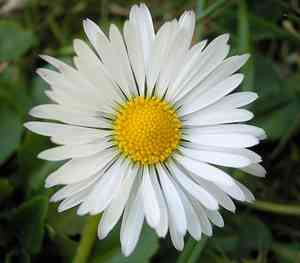
Southern prairie aster (Eurybia hemispherica)
Also known as: Tennessee aster
Though becoming less common in some areas of its native North America, Joe-Pye weed (Eutrochium spp.) is widely cultivated for its striking, aromatic flowers. This hardy perennial blooms in late summer to early autumn, drawing in a variety of pollinators. Additionally, its seeds are a favorite for certain wildlife like wild turkeys.
In This Article
Attributes of Southern prairie aster
Lifespan
Perennial
Plant Type
Herb
Plant Height
76 cm
Spread
90 cm
Leaf Color
Green
Flower Size
2.5 cm to 5 cm
Flower Color
White Purple Blue
Images of Southern prairie aster
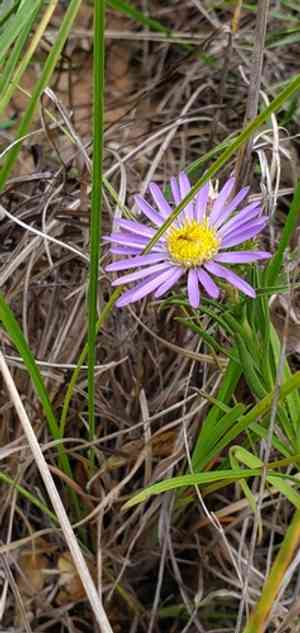
Quickly Identify Southern prairie aster
1
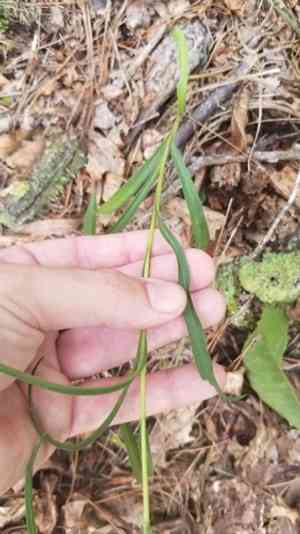
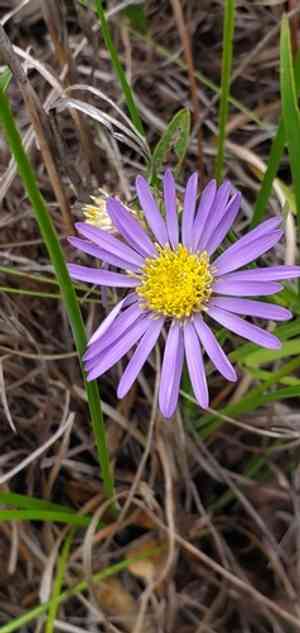
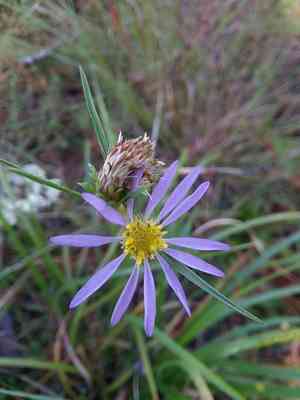
Eurybia hemispherica can be identified by its hemispherical clusters of small, violet or lavender flowers with yellow centers. Its leaves are narrow, lanceolate, and alternate along the stem. The plant typically grows in prairies and open woodlands.
Scientific Classification of Southern prairie aster
Phylum
Vascular plants
Class
Dicotyledons
Order
Asterales
Family
Daisy
Genus
Eurybia
Species
Southern prairie aster
Planting and Growing of Southern prairie aster
Care Difficulty
Easy
Watering Schedule
Every 4 days
Sunlight Requirements
Partial sun
Sunshine Duration
6-8 hours
Ideal Temperature
65-75℉
Soil Type
Potting Mix, Peat Mix
Soil pH
5.6-7
Fertilizer Type
Balanced
Pruning Season
Spring, Summer
Pruning Area
Branches, Leaves
Pruning Frequency
2 times a year
Repotting Season
Spring
Pot Type
Plastic, Ceramic
 How to Water Southern prairie aster?
For Eurybia hemispherica, aim for watering the soil deeply until the water drains out of the pot's bottom. This plant thrives in moist but not waterlogged conditions, so ensure good drainage to avoid root rot while maintaining adequate moisture.
What are the symptoms of an underwatered Southern prairie aster?
›
What should I do if my Southern prairie aster is not getting enough water?
›
What are the symptoms of an overwatered Southern prairie aster?
›
How to save an overwatered Southern prairie aster?
›
 What Are the Sunlight Requirements for Southern prairie aster?
Eurybia hemispherica ideally benefits from partial to full sunlight. This light exposure ensures vigorous growth and flowering, enhancing its natural beauty and robustness.
More About Sunlight Requirements Techniques→
What is the best light condition for Eurybia hemispherica?
›
How can I ensure Eurybia hemispherica receives the ideal amount of sunlight?
›
What benefits does Eurybia hemispherica gain from ideal lighting?
›
 What Is the Ideal Temperature Range for Southern prairie aster?
Eurybia hemispherica thrives best in temperatures ranging from 65°F to 75°F. During this range, the plant can efficiently carry out photosynthesis and other metabolic processes, aiding optimal growth. It's crucial to ensure these temperatures are maintained consistently, especially during the day, to support the plant's health.
 What Soil is Best for Southern prairie aster?
Eurybia hemispherica thrives best in nutrient-rich soil, which provides essential vitamins and minerals. This allows the plant to grow robustly, producing vibrant, lush foliage and encouraging prolific flowering. Regular soil amendments with organic matter can enhance nutrient availability, fostering a healthier growth environment. This plant prefers well-draining soil to prevent waterlogging, which can lead to root rot. Sandy loam and loam soils naturally allow for good drainage, ensuring that roots receive adequate oxygen. Proper drainage reduces the risk of diseases and promotes sturdy root development. While Eurybia hemispherica does well with well-draining soil, it also benefits from moderate moisture retention. A soil that can hold moisture without becoming soggy ensures that the plant remains hydrated between watering, important for maintaining steady growth and bloom cycles.
 How to Fertilize Southern prairie aster?
For Eurybia hemispherica, a moderate amount of fertilizer is recommended. Use a balanced fertilizer with a ratio such as 10-10-10. Apply about 1 tablespoon per plant for granular forms or diluted liquid solutions. Over-fertilizing can harm the plant, so always err on the side of less fertilizer.
 How to Prune Southern prairie aster?
Examine the plant thoroughly and begin by removing any brown or yellowing leaves and wilted flowers. This encourages new growth and allows the plant to allocate its energy more efficiently. Trim back any overly long or unruly stems to maintain a balanced shape. This will not only keep the plant looking neat but also allow better light penetration and air circulation throughout the foliage. Make cuts just above a leaf node or bud where you want the plant to branch out. This method stimulates the plant to produce more lateral branches, resulting in a fuller appearance.
More About Pruning Techniques→
 How to Propagate Southern prairie aster plant?
1
Start by filling a seed tray with a well-draining seed starting mix. Sow the seeds on the surface and lightly cover them with soil. Keep the tray in a warm, well-lit place and ensure the soil remains moist.
2
Select a healthy parent plant and cut a 4-6 inch stem section just below a node. Strip the lower leaves and dip the cut end in rooting hormone before planting it in a pot filled with moist soil.
3
In early spring or autumn, dig up the entire plant clump. Gently separate the roots into smaller sections, making sure each section has several shoots. Replant these sections in well-prepared soil.
 How to Repot Southern prairie aster plant?
1
Watch for signals like roots beginning to circle at the pot's bottom or stunted growth patterns. These are clear indicators that Eurybia hemispherica needs repotting to provide it with fresh soil and room to grow.
2
Select a pot that's 1-2 inches larger in diameter than the current one. The pot should have ample drainage holes to prevent waterlogging, which aids in avoiding root rot and ensures healthy plant growth.
3
Opt for a gritty, well-draining soil mix. This mix mimics the plant's natural environment, ensuring proper drainage and aeration to support robust root development and prevent compacted soil.
Learn More About Southern prairie aster Diseases
Anthracnose
Bacterial Leaf Spot
Bacterial Wilt
Crown Gall
Cyst Nematode
Damping-off
Downy Mildew
Drought Stress
Fusarium Wilt
Gray Mold
Leaf Spot
Mosaic
Nutrient Deficiency
Nutrient Toxicity
Powdery Mildew
Root Rot
Root-knot Nematode
Rusts
Sooty Mold
Spider Mites
Temperature Stress
Thrips Damage
White Mold



