The Southern prairie aster Plant Advantage: Maximizing Home and Office Appeal and Wellness
1
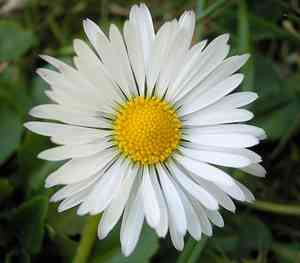
Ideal for areas attracting pollinators, as it draws in bees and butterflies.
2
Flourishes in difficult environments and infertile ground, ensuring simple cultivation.
3
Offers environmental benefits by sustaining various creatures within grassland habitats.
Why is Southern prairie aster Important for Pollinators?
Attraction of Bees and Butterflies
A key advantage of Southern prairie aster is its capacity to draw in various pollinators, including bees and butterflies. Its vibrant blossoms offer a rich nectar source, vital for these insects. This function is crucial as it aids in the pollination of other plants, contributing to the ecosystem's overall health.
Seasonal Blooming
Southern prairie aster flowers from late summer to early autumn, a period when many other plants have finished blooming. This extended flowering season ensures pollinators have a continuous food supply, which is especially important for sustaining their populations as they prepare for colder months.
What Makes Southern prairie aster Ideal for Home Gardens?
Adaptability to Different Soil Types
Southern prairie aster is renowned for its versatility, flourishing in diverse soil conditions from sandy to clay. Its hardiness makes it a low-maintenance plant that can thrive even in poorer soils where others might struggle. This adaptability allows gardeners to integrate Southern prairie aster into various garden designs without concern for soil quality.
Drought Tolerance
Beyond its soil adaptability, Southern prairie aster is remarkably drought-resistant. Once established, it needs minimal watering, making it an excellent choice for xeriscaping or gardens in areas with limited water. This trait not only conserves water but also reduces the gardener's maintenance effort.
Ecological Contributions of Southern prairie aster
Support for Local Wildlife
Southern prairie aster plays a vital role in supporting local wildlife. It provides habitat and sustenance for various insects, birds, and small mammals. The plant's structure offers shelter, while its seeds serve as a food source for birds. This support is essential for maintaining biodiversity within prairie ecosystems.
Soil Erosion Control
The deep root systems of Southern prairie aster help stabilize soil, preventing erosion. This stabilizing effect is particularly beneficial in areas with loose or sandy soils prone to erosion. By planting Southern prairie aster, one can contribute to soil conservation efforts, helping to maintain the integrity of the landscape.
How to Cultivate Southern prairie aster in Your Garden
Planting Tips
To successfully grow Southern prairie aster, select a location with full sun exposure, as this plant thrives in bright, sunny conditions. Sow the seeds directly in the ground during late spring or early fall for optimal growth. Ensure the soil is well-drained to prevent waterlogging, which can harm the plant.
Maintenance and Care
Southern prairie aster requires minimal upkeep. Water the plants sparingly, allowing the soil to dry out between watering sessions to mimic their natural conditions. Removing spent flowers can encourage more blooms and maintain a neat appearance. Mulching around the plant's base can help retain soil moisture and suppress weeds.



