How to Prune Southern prairie aster?
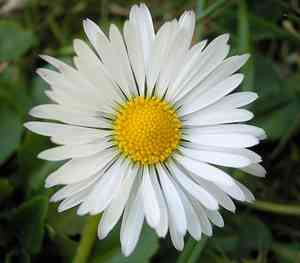
A perennial indigenous to North American grasslands, southern prairie aster flourishes with deliberate trimming. Remove spent or withered blossoms throughout spring and summer to stimulate further flowering and sustain the plant's vitality. Deadheading is crucial for a neat look and to avert unwanted self-propagation. Trimming immediately following flowering aids in vigorous development and guarantees nutrients are channeled towards root and leaf formation, fostering a strong presentation for the subsequent season. Utilize sterile, sharp implements for pruning to lessen strain and the possibility of disease infiltration.
Advantages of Trimming Southern Prairie Aster
Advantages of Trimming Southern Prairie Aster
Trimming southern prairie aster promotes robust development and maintains its desired form. Strategic cuts stimulate new shoots, boosting plant vitality and visual appeal. This upkeep ensures southern prairie aster stays healthy and aesthetically pleasing in the garden.
Optimal Period for Pruning Southern Prairie Aster
Optimal Period for Pruning Southern Prairie Aster
Pruning southern prairie aster from late spring to early summer aligns with its post-flowering phase, fostering new growth and bloom production for the subsequent season. This timing allows gardeners to remove faded flowers and shape the plant after it has expended energy on blooming, while still providing ample time for recovery and bud development before autumn. Spring pruning revitalizes southern prairie aster by eliminating old, unproductive woody stems and encourages healthier, more vigorous growth. During early summer, any corrective trimming can be performed to maintain the desired structure and density without affecting the flowering cycle. Pruning southern prairie aster outside these periods, particularly in late fall or winter, risks reducing prolific flowering, as it might inadvertently remove developing buds or expose the plant to harsh conditions during a vulnerable state.
Tools Required for Pruning Southern Prairie Aster
Bypass Pruners
Ideal for making clean cuts on southern prairie aster's smaller stems and branches, minimizing tissue damage. Bypass pruners operate like scissors, with two blades that pass each other for a sharp, precise cut. This is crucial for southern prairie aster's health by reducing disease entry through jagged cuts.
Pruning Shears
Perfect for selectively thinning southern prairie aster's overgrown areas to improve air circulation and light penetration. They are especially useful for snipping off spent flowers or deadheading to encourage more blooms and maintain a tidy appearance.
Gloves
Though not a cutting tool, gloves are vital for protecting the gardener's hands from thorns and rough stems while pruning southern prairie aster. This ensures safety and comfort during the task.
Garden Scissors
These are beneficial for detailed work on southern prairie aster, such as trimming small shoots or shaping the plant. Garden scissors offer precision and control, particularly helpful for maintaining southern prairie aster's desired form.
How to Prune Southern Prairie Aster
Sanitize tools
Before pruning southern prairie aster, sanitize all pruning tools to prevent disease spread. Use a solution of one part bleach to nine parts water or rubbing alcohol to clean the blades.
Remove diseased parts
Carefully inspect southern prairie aster and begin by removing any diseased leaves and stems. Cut the affected parts back to healthy tissue, ensuring a clean cut for quick healing.
Trim withered foliage
Next, trim any withered leaves on southern prairie aster. Snip these leaves at their base where they meet the stem or a larger branch to promote healthy growth and air circulation.
Thin out stems
Thin out overcrowded diseased stems to enhance light penetration and air flow within southern prairie aster's foliage. This step reduces the likelihood of future diseases and encourages stronger, more vigorous growth.
Cleanup
After pruning, clear away all removed plant material from around southern prairie aster. Dispose of any diseased parts properly to avoid soil contamination or pathogen spread.
Common Pruning Errors with Southern Prairie Aster
Excessive pruning
Removing too much foliage from southern prairie aster can cause stress and reduced vigor. It's important to prune no more than one-third of the plant's total growth to avoid weakening it.
Cutting too close
Cutting southern prairie aster branches too close to the main stem can hinder the plant's natural healing process. Leave a small portion of the branch to facilitate proper healing.
Using dull tools
Dull pruning tools can result in ragged cuts, increasing the risk of disease and pest infestation. Always use sharp, clean tools for a precise cut.
Ignoring diseased areas
Failing to remove diseased or damaged parts of southern prairie aster can allow the disease to spread. It's crucial to prune away any affected areas as soon as they are detected.
Incorrect cut angle
Improperly angled cuts can lead to water pooling on the cut surface, causing rot and disease. Angled cuts promote water runoff and healing.
General Pruning Advice for Southern Prairie Aster
Selective thinning
Thin out southern prairie aster selectively, removing only the weakest and most crowded stems to improve air circulation and light penetration, which encourages healthy growth and flowering.
Timing of cuts
Make pruning cuts when southern prairie aster is not experiencing drought stress to ensure the plant has sufficient resources to heal from pruning wounds.
Cleanliness
Keep all pruning tools clean to prevent disease transmission between plants. Clean tools with alcohol or a bleach solution after each use.
Encouraging new growth
Prune southern prairie aster strategically to promote new growth in the desired direction. This helps maintain the plant's shape and can encourage more abundant blooming.
Deadheading
Regularly remove spent flowers from southern prairie aster to encourage more blooms and prevent the plant from expending energy on seed production.



