How to Transplant Mountain aster?
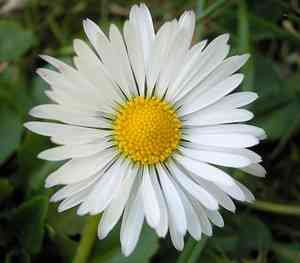
Mountain aster flourishes when relocated between early and mid-autumn, benefiting from the lower temperatures and elevated soil humidity. Select a site that receives full sun to partial shade and possesses good drainage. Take care to disturb the root system as little as possible during transplantation.
Necessary Preparations Before Relocating Mountain Aster?
Optimal Period for Relocating Mountain Aster?
The best time for moving mountain aster is from early to mid-autumn. This timing allows the plant to develop robust roots before winter's freeze, ensuring a strong start in spring. Relocating during this cooler season also reduces plant stress, promoting better overall growth and vigor in its new spot.
Required Spacing Between Mountain Aster Plants?
When relocating mountain aster, ensure a distance of 18-24 inches (45-60 cm) between them. This provides ample room for development and ensures good air circulation, which helps prevent disease.
Ideal Soil Mixture for Mountain Aster Relocation?
For mountain aster, select well-draining soil rich in organic material. Amend the soil by incorporating compost or a balanced base fertilizer to supply essential nutrients for the new plants.
Where to Replant Your Mountain Aster?
Mountain aster thrives in sunlight! Choose a garden location that receives full sun to partial shade. Aim for 6-8 hours of daily sunlight for optimal plant health.
Equipment to Prepare Before Relocating Mountain Aster?
Gardening Gloves
To safeguard your hands while handling soil and the plant.
Shovel or Spade
For excavating the plant from its original spot and preparing the new planting hole.
Hand Trowel
For more precise digging and backfilling around the plant.
Watering Can or Hose
To hydrate the plant before and after its move.
Wheelbarrow
To transport the plant to its new site, if needed.
Mulch
To help maintain moisture and regulate soil temperature around the newly relocated plant.
Pruners
To trim any damaged or excessively long roots or stems.
How to Extract Mountain Aster from the Soil?
How to Extract Mountain Aster from the Soil?
From Ground: First, water the mountain aster plant to moisten the soil. Then, dig a wide trench around the plant using a shovel or spade, ensuring the plant's root ball remains intact. Carefully work the spade beneath the root ball to lift the plant from its original location.From Pot: Water the mountain aster plant thoroughly to facilitate root removal. Gently tap the pot's sides to loosen the soil. Invert the pot while supporting the plant with your hand, and carefully slide the plant out, taking care not to harm the root system.From Seedling Tray: Water the seedling trays to make the soil easier to manage. Use a hand trowel to gently lift the seedling, ensuring to include as much of the root system as possible. Be careful not to damage the delicate roots.
Step-by-Step Guide for Relocating Mountain Aster
Site Preparation
Select a location that meets the sunlight and spacing requirements for mountain aster. Clear the area of weeds and debris.
Digging the Hole
Excavate a hole that is twice the width and the same depth as the mountain aster's root ball. This ensures the roots have ample room to expand.
Amending the Soil
Loosen the soil at the bottom of the hole to facilitate root penetration. You can also mix in some compost if necessary to enhance soil quality.
Placing the Plant
Gently position the mountain aster in the hole, ensuring it is at the same depth as it was in its original location. Backfill around the plant with soil, pressing down lightly to remove air pockets.
Watering In
Water the mountain aster thoroughly to settle the soil around the roots. Ensure that the water reaches the depth of the root ball.
Applying Mulch
Apply a layer of mulch around the base of the mountain aster to help retain moisture and regulate soil temperature. Make sure the mulch doesn't touch the plant's stem to prevent rot.
Post-Relocation Care for Mountain Aster?
Watering
Keep the soil around the mountain aster consistently moist, but not waterlogged, for the initial weeks after relocation to help establish strong roots.
Monitoring Growth
Observe for signs of relocation shock such as wilting or yellowing leaves, and provide additional care as needed.
Weeding
Keep the area around the mountain aster free from weeds to reduce competition for nutrients and water.
Mulching
Regularly inspect the mulch and replenish as needed to ensure effective moisture retention.
Supporting Growth
If the mountain aster is tall or leggy, consider staking it to support its growth until it becomes established.
Addressing Common Issues with Mountain Aster Relocation.
When is the ideal time to relocate mountain aster?
Early to mid-fall is best for moving mountain aster. This aids in establishing strong roots.
How far apart should I space mountain aster when relocating?
Space them 18-24 inches (45-60 cm) apart to allow for healthy development.
What type of soil is best for relocating mountain aster?
Mountain aster thrives in well-drained, fertile soil with a pH range of 6.0-7.0.
How much sunlight does mountain aster need after relocating?
Mountain aster needs full sun to partial shade; at least 6 hours of sunlight is ideal.
Should I water mountain aster immediately after relocating?
Yes, water thoroughly after relocating to help settle the soil and reduce transplant shock.
How can I reduce relocation shock for mountain aster?
Water well, avoid disturbing roots, and mulch to retain moisture and improve success.
Do I need to prune mountain aster when relocating?
Trim any damaged or leggy stems to encourage new growth and improve the overall appearance.
Is it necessary to fertilize mountain aster when relocating?
Incorporate a slow-release, balanced fertilizer into the soil to support initial growth and health.
How do I prepare the new site for mountain aster?
Loosen the soil, mix in organic matter, and ensure proper drainage to facilitate root establishment.
What should I do if mountain aster wilts after relocating?
Provide consistent moisture, shade temporarily, and avoid fertilizing until the plant recovers fully.



