How to Prune Mountain aster?
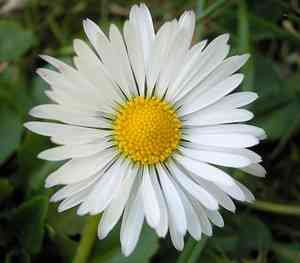
This enduring plant is notable for its impressive late-summer flowers and vigorous development. The most effective time for trimming mountain aster is in the spring to eliminate deceased or injured stalks and foster fresh growth, or right after its summer flowering period to preserve its form and encourage the formation of buds for the subsequent year. Consistent removal of spent flowers also boosts blooming. Trimming not only encourages more vibrant blossoms but also aids in controlling its dimensions and averts illness by enhancing air movement among the leaves.
Advantages of Trimming Mountain Aster
Advantages of Trimming Mountain Aster
Trimming mountain aster encourages robust new development and maintains its desired form. Consistent removal of old or overgrown branches ensures the plant stays healthy and visually appealing.
Optimal Time for Trimming Mountain Aster
Optimal Time for Trimming Mountain Aster
Trimming or shaping mountain aster during Spring and Summer is ideal due to its active growth period in these seasons. Spring trimming aids in stimulating new growth and boosts flowering by eliminating old, dead, or weak stems before the plant's rapid growth phase begins. Summer trimming, especially right after the blooming period, is vital for shaping the plant and managing its size, promoting more compact, healthier growth. This timing also allows mountain aster to recover and produce new growth before colder weather arrives, thereby preserving its health and vitality.
Necessary Tools for Trimming Mountain Aster
Hand Pruners
Perfect for cutting back dead or overgrown stems, ensuring mountain aster keeps a compact shape and encourages fresh growth. Hand pruners deliver precise cuts that help prevent harm to the delicate stems.
Shears
Best for shaping mountain aster, particularly during its active growth season. Shears enable quick, clean cuts over larger areas, making them suitable for achieving a desired form and fostering bushier growth.
Gloves
Crucial for protecting hands while trimming mountain aster, as this prevents potential skin irritation from plant sap and guards against thorns or rough stem surfaces.
How to Trim Mountain Aster
Identify
Locate and examine any diseased, withered leaves and affected stems on mountain aster. This involves carefully checking the plant for any signs of discoloration, spots, or decay.
Disinfect
Sanitize your pruning shears before and after use to prevent disease transmission. Use a solution of 1 part bleach to 9 parts water, or rubbing alcohol to sterilize the blades.
Remove leaves
Carefully take off all diseased and withered leaves from mountain aster. Cut the leaves at their base where they connect to the stem, ensuring you do not tear the plant's tissue.
Trim stems
Prune diseased stems from mountain aster by cutting just below the affected area, but above a healthy node or bud. This promotes healthier growth and stops the spread of diseases.
Cleanup
Collect and dispose of all removed parts properly to avoid re-infection. Do not compost these materials as they may harbor pathogens.
Common Trimming Errors with Mountain Aster
Over-trimming
Removing too much foliage from mountain aster can weaken the plant, limiting its ability to photosynthesize effectively and hindering its growth.
Incorrect cut placements
Cutting too far from a bud or not at an angle can lead to water accumulation on the stem, which might cause diseases and rot in mountain aster.
Using dull tools
Trimming with dull tools can damage the stems of mountain aster, resulting in jagged cuts that heal poorly and increase the risk of infections.
General Trimming Advice for Mountain Aster
Selective trimming
Focus on removing only dead, diseased, or weak stems from mountain aster, which helps improve air circulation and light penetration, vital for vibrant blooms.
Timing cuts
Make cuts close to a bud to ensure new growth quickly covers the cut area and reduces the risk of disease in mountain aster.
Clean tools
Always use clean, sharp pruning shears to make healthy cuts that heal rapidly, preventing infections in mountain aster.



