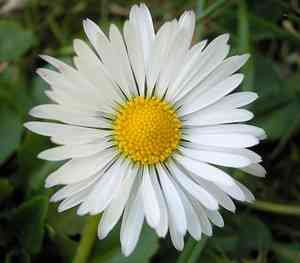
Mountain aster (Eurybia chlorolepis)
Also known as: Mountain wood aster
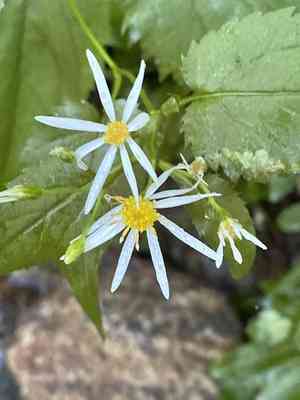
Eurybia chlorolepis grows up to 80 cm tall and spreads via underground rhizomes, typically producing a single stem that can become woody over time. The plant can bear up to 25 flower heads arranged in a flat-topped cluster. Its flowers, which appear from late summer to fall, consist of 8-20 white or pale lilac ray florets encircling 12-26 yellow disc florets.
In This Article
Attributes of Mountain aster
Lifespan
Perennial
Plant Type
Herb
Plant Height
30 cm to 91 cm
Spread
0.3 to 0.6 meters (1 to 2 feet)
Leaf Color
Green
Flower Size
2.5 to 5 centimeters (1 to 2 inches)
Flower Color
Light purple to white with yellow centers
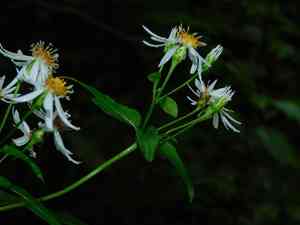
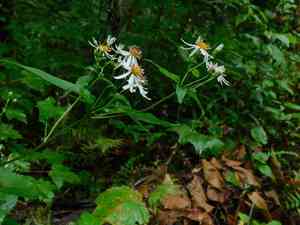
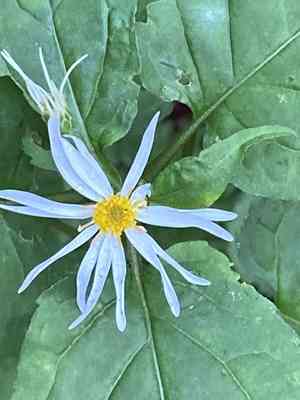
Images of Mountain aster
Quickly Identify Mountain aster
1
Eurybia chlorolepis can be identified by its elongated, lance-shaped leaves with serrated edges and its clusters of light purple to white, daisy-like flowers with yellow centers. The plant typically blooms in late summer to early fall.
Scientific Classification of Mountain aster
Phylum
Vascular plants
Class
Dicotyledons
Order
Asterales
Family
Daisy
Genus
Eurybia
Species
Mountain aster
Planting and Growing of Mountain aster
Care Difficulty
Easy
Watering Schedule
Every 2 days
Sunlight Requirements
Partial sun
Sunshine Duration
4-6 hours
Ideal Temperature
60-75℉
Soil Type
Potting Mix, Peat Mix
Soil pH
5.5-7
Fertilizer Type
Balanced
Pruning Season
Spring, Summer
Pruning Area
Branches, Leaves
Pruning Frequency
2 times a year
Repotting Season
Spring
Pot Type
Plastic, Ceramic
 How to Water Mountain aster?
For Eurybia chlorolepis, each watering session should aim to thoroughly moisten the soil. Use approximately 300ml of water per plant, ensuring the water penetrates deep into the root zone without oversaturating the soil, which could lead to root rot.
What are the symptoms of an underwatered Mountain aster?
›
What should I do if my Mountain aster is not getting enough water?
›
What are the symptoms of an overwatered Mountain aster?
›
How to save an overwatered Mountain aster?
›
 What Are the Sunlight Requirements for Mountain aster?
Partial to full sun is ideal for Eurybia chlorolepis, as it promotes healthy growth, vibrant leaf color, and robust flowering, contributing to the plant's overall vitality and resilience.
What are the ideal lighting conditions for Eurybia chlorolepis?
›
How can I ensure my Eurybia chlorolepis gets the ideal lighting?
›
What are the benefits of providing ideal lighting to Eurybia chlorolepis?
›
 What Is the Ideal Temperature Range for Mountain aster?
The ideal temperature range for Eurybia chlorolepis is crucial for its growth and health. It thrives optimally between 60°F and 75°F, where enzymatic activities and physiological processes occur without stress. Maintaining this range encourages robust growth, flowering, and resilience against pests and diseases.
 What Soil is Best for Mountain aster?
Eurybia chlorolepis thrives in well-drained soil that prevents waterlogging. Proper drainage ensures that the roots have access to essential oxygen, preventing root rot and promoting healthy plant growth. This plant does not need highly fertile soil, but a moderate level of nutrients supports its lush foliage and vibrant blooms. Using organic compost or slow-release fertilizers can enhance soil fertility without overwhelming the plant. While it prefers well-drained conditions, maintaining a balance in moisture retention is crucial, as overly dry soil can lead to stress. Mulching can be beneficial to retain moisture and keep the roots cool during warmer months.
 How to Fertilize Mountain aster?
Eurybia chlorolepis prefers a balanced nutrient approach. Apply liquid fertilizer at a dilution rate of 1:4 with water. Utilize around 100ml of this solution per plant per month to ensure optimal nutrition without overwhelming the roots.
 How to Prune Mountain aster?
Begin by identifying and removing any dead or diseased stems and leaves. This helps prevent the spread of illness and encourages the plant to focus energy on producing healthy growth. Focus on shaping the plant by cutting back leggy stems and thinning crowded areas. This allows more light and air to reach the center of the plant, boosting overall vigor. Make cuts above outward-facing buds to encourage an open growth habit. Always prune a little above a leaf node or bud to stimulate new shoots and flowers.
More About Pruning Techniques→
 How to Propagate Mountain aster plant?
1
Gather seeds from mature plants and soak them in water overnight to soften the seed coat. Plant seeds in a well-draining soil mix and lightly cover with soil. Water gently to avoid displacing seeds.
2
Select healthy, non-flowering stems for cuttings, ideally 6 inches long. Use pruning shears to cut just below a node, remove the lower leaves, and dip the cut end in rooting hormone before planting.
3
Carefully dig up mature plants and separate roots with your hands or a sharp knife. Replant each divided section at the same depth in a suitable soil mix, ensuring roots are well-covered.
 How to Repot Mountain aster plant?
1
Repot Eurybia chlorolepis when it shows signs of being root-bound or growth becomes stunted. Look for roots coming out of the pot drainage holes or a decline in flowering. These are clear indicators that the plant needs more space and fresh soil to thrive.
2
Opt for a pot that is one size larger than the current one, with ample drainage holes. A slightly larger pot prevents excessive soil moisture which may lead to root rot. Clay pots can be ideal as they allow the soil to dry out between waterings efficiently.
3
Use an acidic, well-draining soil mix to mimic its natural habitat. This type of soil prevents waterlogging while providing the necessary nutrients. Adding components like pine bark or sand enhances drainage and maintains the right pH level for optimal growth.
Learn More About Mountain aster Diseases
Anthracnose
Bacterial Leaf Spot
Bacterial Soft Rot
Bacterial Wilt
Black Spot
Chemical Injury
Crown Gall
Cyst Nematode
Damping-off
Downy Mildew
Drought Stress
Fusarium Wilt
Gray Mold
Leaf Curl
Leaf Spot
Mosaic
Nutrient Deficiency
Nutrient Toxicity
Powdery Mildew
Root Rot
Root-knot Nematode
Rusts
Sooty Mold
Spider Mites
Temperature Stress
Thrips Damage
White Mold



