How to Propagate Mountain aster?
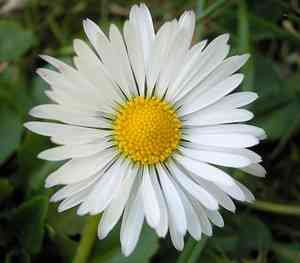
Mountain aster flourishes when reproduced via stem sections. For successful cultivation, choose robust, non-blooming stalks and sever them at a 45-degree incline to enlarge the surface area for root formation. Employing a rooting stimulant can boost root development. Insert the cuttings into a well-aerated potting blend, maintaining consistent moisture without saturation, to foster ideal root expansion.
Optimal Time for Mountain Aster Propagation
Propagation Method
Cutting
Propagation Period
Spring,Summer
Tools for Mountain Aster Propagation
Sharp scissors or pruning shears
Crucial for making clean, precise cuts on mountain aster. This tool minimizes harm to the parent plant and cuttings, fostering better root growth and lowering disease risk. High-quality, sharp blades are especially good for smooth cuts that heal quickly and efficiently.
Rooting hormone
A substance applied to the cut end of a cutting to encourage root formation and boost propagation success. Rooting hormone is particularly helpful for mountain aster, aiding in the rapid establishment of a robust root system, essential for new plants' health and resilience.
Sterile potting mix
Offers a controlled, clean environment for mountain aster cuttings to root. The mix should be pathogen-free, retain water well, yet drain properly to prevent root rot. It supports early growth by providing necessary nutrients without competition.
Propagation trays or small pots
Used to plant and grow cuttings until they are strong enough for transplanting. These containers need proper drainage holes to avoid waterlogging. Small pots or trays help manage moisture levels more effectively, vital for mountain aster rooting success.
Humidity dome or plastic wrap
Helps maintain high humidity around new mountain aster cuttings, crucial for preventing them from drying out before roots form. The dome or wrap also creates a greenhouse-like setting, promoting faster growth and development.
How to Propagate Mountain Aster?
Propagation Difficulty
Easy
Caring for Your Newly Propagated Mountain Aster
Caring for Your Newly Propagated Mountain Aster
Post-transplantation, ensure mountain aster is placed where it gets partial to full sunlight, as appropriate. Keep moisture consistent without overwatering, especially during dry periods. Mulch around the plant's base to retain soil moisture and suppress weeds. Fertilize lightly each spring with a balanced, slow-release fertilizer to support healthy growth and flowering.
Common Errors to Avoid When Propagating Mountain Aster
Overwatering
Excessive watering of mountain aster can lead to root rot, which is harmful as it hinders the plant's ability to absorb nutrients and water effectively, ultimately compromising its health and propagation success.
Deep planting
Planting mountain aster cuttings or seeds too deeply can prevent them from getting enough light and air, which are vital for germination and the development of strong roots.
Neglecting humidity control
Failure to maintain adequate humidity during mountain aster propagation can cause cuttings to dry out quickly, reducing the likelihood of successful root development.
Tips For Propagating Mountain Aster
Use of rooting hormone
Applying a rooting hormone to mountain aster cuttings can significantly boost root development, increasing the chances of successful propagation.
Adequate light exposure
Ensuring mountain aster receives sufficient but indirect sunlight is crucial, as it promotes healthy growth without the risk of leaf burn that can occur with direct exposure.
Moisture control
Maintaining consistent soil moisture (neither too wet nor too dry) is important for mountain aster during the initial stages of propagation to support root growth without fostering conditions that lead to root rot.



