How to Transplant East asian eurya?
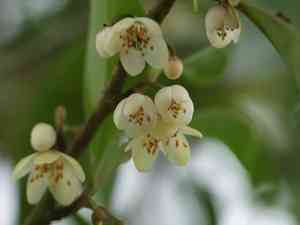
The optimal period for transplanting East Asian Eurya is from the pleasant warmth of late spring through early summer, providing a combination of moderate temperatures and sufficient development time. Select a location featuring soil that drains effectively and receives filtered sunlight. During the transfer, preserve the soil's integrity to facilitate a smooth adjustment.
What Preparations are Needed Before Transplanting East Asian Eurya?
What is the Ideal Time for Transplanting East Asian Eurya?
The best time to move east asian eurya is during its revitalization period, from mid-spring to early summer. This timeframe offers balanced cool temperatures and sufficient growth opportunity before winter. Transplanting east asian eurya then allows it to develop strong roots in the warming soil, increasing its chances of survival and thriving. By selecting this season of new beginnings, your east asian eurya will have the best opportunity for robust, healthy growth in its new spot. A friendly reminder: nurturing east asian eurya during this period will result in a flourishing garden companion!
How Much Space Should You Leave Between East Asian Eurya Plants?
When relocating your east asian eurya, ensure adequate room for expansion. A spacing of approximately 4-6 feet (1.2-1.8 meters) is typically optimal. This enables your plant to spread and thrive without competition.
What is the Best Soil Mix for East Asian Eurya Transplanting?
Your east asian eurya prefers soil that drains well and is slightly acidic. A blend of equal parts peat moss, sand, and garden soil should be effective. Before planting, enrich the soil with a slow-release, balanced fertilizer (such as 14-14-14).
Where Should You Relocate Your East Asian Eurya?
Regarding placement, east asian eurya enjoys a location with ample sunlight but benefits from some afternoon shade. Therefore, a spot partially shielded from the intense midday sun is perfect. Also, ensure this location aligns with the recommended spacing.
What Equipments Should You Prepare Before Transplantation East Asian Eurya?
Gardening Gloves
To safeguard your hands while handling soil and the east asian eurya plant.
Shovel or Spade
Crucial for digging holes to transplant your east asian eurya and for extracting it from its current position.
Trowel
Useful for more delicate tasks around the root system of your east asian eurya, especially if it's being moved from a smaller container or seedling tray.
Watering Can
Necessary for hydrating the plant before and after transplanting to prevent shock.
Gardening Pruners
Helpful for trimming roots or any damaged sections of east asian eurya prior to relocation.
How Do You Remove East Asian Eurya from the Soil?
How Do You Remove East Asian Eurya from the Soil?
From Ground: First, moisten the soil around the east asian eurya plant. Then, excavate a wide trench around the plant using a shovel or spade, ensuring the plant's root ball remains intact. Carefully work the spade beneath the root ball to lift the plant from its original spot.From Pot: If the east asian eurya is in a pot, begin by watering it thoroughly. Invert the pot while gently supporting the plant at its base, then lightly tap to release the plant. If it's stuck, gently squeeze the pot to loosen it.From Seedling Tray: If the east asian eurya is in a seedling tray, water first to keep the soil and roots together. Then, carefully lift the plant by its leaves to avoid root damage, using a trowel if needed.
Step-by-Step Guide for Transplanting East Asian Eurya
Digging the Hole
Excavate a hole that is twice as wide but the same depth as the root ball of your east asian eurya. The broad hole provides space for the roots to spread and grow.
Preparing the Hole
Gently loosen the soil at the base of the hole with your trowel. This facilitates easier root penetration for your east asian eurya in its new location.
Placing the Plant
Carefully position the east asian eurya in the hole, ensuring it sits at the same depth as it was in its previous spot. If moving from a seedling tray, handle the plant by its leaves to prevent damage to the root system.
Backfilling
Gently refill the hole, lightly firming the soil around the roots of your east asian eurya. Avoid compacting the soil too much, as this can hinder root growth.
Watering
Thoroughly water the east asian eurya after transplanting to settle the soil around the roots and minimize transplant shock.
How Do You Care For East Asian Eurya After Transplanting?
Pruning
It's common for east asian eurya to experience some transplant shock. If you observe any dead or dying leaves and branches in the weeks following relocation, remove them using your pruners.
Watering
Keep the soil around the east asian eurya consistently moist, but not waterlogged, for the initial few weeks after transplanting to aid in root establishment.
Monitoring
Observe the condition of your east asian eurya daily. If the plant shows signs of wilting or discoloration, it may require more water, less sun exposure, or increased protection from wind and harsh weather.
Troubleshooting Common Issues with East Asian Eurya Transplantation.
When is the best time to transplant east asian eurya?
The most opportune period to transplant east asian eurya is from late spring to early autumn (S2-S4). This is when the plant generally adapts better to changes.
What's the best strategy to remove east asian eurya for transplanting?
Carefully dig around the base of the east asian eurya, taking care not to harm the roots. Maintain a diameter of at least 10 inches (25 cm) from the stem for a healthy root ball.
How far apart should east asian eurya plants be spaced during transplant?
Allow a distance of 4-6 feet (1.2â1.8 meters) between each east asian eurya. This optimal spacing enables the plants' root systems to expand and the foliage to fill the area.
How deep should I plant east asian eurya after transplant?
The transplant hole should be as deep as the root ball and twice as wide. Firm the soil around east asian eurya but ensure the graft union is level with or slightly above the ground.
Do I need to prune east asian eurya after transplanting?
Yes, you should lightly prune east asian eurya after transplanting. This helps the plant direct its energy towards establishing new roots rather than maintaining unnecessary top growth.
How often should I water east asian eurya after transplanting?
Water immediately after transplanting and continue to do so regularly. Keep the soil moist, but not soggy, until east asian eurya establishes and shows signs of new growth.
What can I do if my transplanted east asian eurya looks stressed or wilted?
Wilted east asian eurya might indicate root stress. Keep the soil uniformly moist, shield the plant from intense sun and wind, and consider using a root stimulant product.
Can I add any special soil amendments while transplanting east asian eurya?
While east asian eurya doesn't strictly require soil amendments, adding compost during planting can enrich the soil and help roots establish more quickly.
Will the transplanted east asian eurya need any immediate fertilizing?
Avoid immediate fertilizing for a newly transplanted east asian eurya. Excessive nutrients can stress the plant. Begin fertilizing after it shows signs of settling in, approximately 2-3 weeks post-transplant.
Is there a risk of insects or diseases during east asian eurya transplanting?
As with any plant, east asian eurya can attract pests or develop diseases. Inspect regularly for signs and respond promptly with eco-friendly pest control or therapeutic measures.



