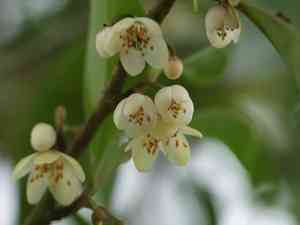
East asian eurya (Eurya japonica)
Also known as: Japanese Eurya, Igiri
The East Asian Eurya (Eurya japonica) is an evergreen shrub typically reaching heights of 1.5 to 1.8 meters (5 to 6 feet) and spreading 1.2 to 1.5 meters (4 to 5 feet) wide. It produces small creamy-white bell-shaped flowers from winter to spring. Female plants may develop dark blue berries in the fall if a male plant is nearby for pollination.
In This Article
Attributes of East asian eurya
Lifespan
Perennial
Plant Type
Tree, Shrub
Plant Height
1 m to 3.5 m
Spread
1.2 m to 2.5 m
Leaf Color
Dark green
Flower Size
0.5-1 cm
Flower Color
White Green
Images of East asian eurya
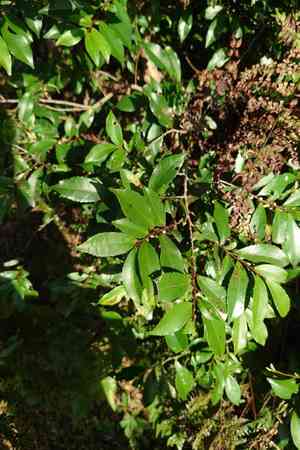
Quickly Identify East asian eurya
1
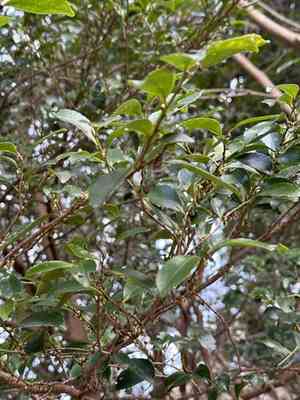
Robust evergreen shrub reaching 12 feet (3.7 meters) with glossy lance-shaped leaves.
2
Diminutive cream-colored bell-shaped flowers dangling elegantly in early to mid-spring.
3
Small dark bluish berries, about 0.2 inches (5mm) in diameter, persist into fall.
4
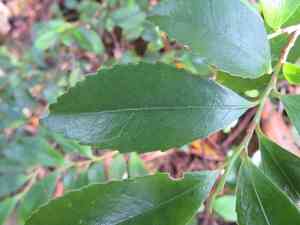
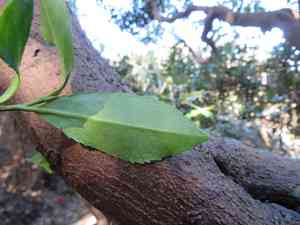
Thick, leathery lance-shaped leaves with serrated margins, dark green color.
5
Stems display progressive color changes, with firm, slightly rough texture.
Scientific Classification of East asian eurya
Phylum
Vascular plants
Class
Dicotyledons
Order
Ericales
Family
Pentaphylacaceae
Genus
Eurya
Species
East asian eurya
Planting and Growing of East asian eurya
Care Difficulty
Easy
Watering Schedule
Every 2 days
Sunlight Requirements
Partial sun
Sunshine Duration
6-10 hours
Ideal Temperature
60-75℉
Soil Type
Potting Mix, Peat Mix
Soil pH
6-7.5
Fertilizer Type
Balanced
Pruning Season
Spring, Summer
Pruning Area
Branches, Leaves
Pruning Frequency
2 times a year
Repotting Season
Spring
Pot Type
Plastic, Ceramic
 How to Water East asian eurya?
For Eurya japonica, aim to water with about 500 ml to ensure the soil is adequately moistened without becoming waterlogged. The top inch of the soil should be dry to the touch before watering again, avoiding standing water in the pot to prevent root rot. The plant prefers evenly moist conditions but can tolerate slight drought between waterings.
What are the symptoms of an underwatered East asian eurya?
›
What should I do if my East asian eurya is not getting enough water?
›
What are the symptoms of an overwatered East asian eurya?
›
How to save an overwatered East asian eurya?
›
 What Are the Sunlight Requirements for East asian eurya?
Eurya japonica ideally enjoys a semi-shaded environment. This range contributes to balanced photosynthesis and growth, resulting in vibrant foliage and optimal plant health.
More About Sunlight Requirements Techniques→
What is the best lighting condition for Eurya japonica?
›
How can you achieve the ideal lighting for Eurya japonica?
›
What are the benefits of providing ideal lighting to Eurya japonica?
›
 What Is the Ideal Temperature Range for East asian eurya?
For optimal growth, Eurya japonica thrives in a temperature range between 60°F and 75°F. This range provides the warmth needed for vibrant foliage and healthy development. During periods within this range, the plant can photosynthesize effectively, maintain adequate cellular functions, and sustain a robust growth pattern, contributing to an overall thriving plant environment.
 What Soil is Best for East asian eurya?
Eurya japonica thrives in soils with good drainage, preventing root rot and enabling aeration around the root zone, which supports healthy growth. The plant requires soil with a moderate level of nutrients; excessive richness can lead to leggy growth, whereas poor soil might not support its lush foliage. While good drainage is crucial, the soil should also retain sufficient moisture to keep the roots hydrated yet not waterlogged, balancing the plant's water needs.
 How to Fertilize East asian eurya?
When fertilizing Eurya japonica, it's important to apply a balanced fertilizer that's not too strong. Typically, a diluted liquid fertilizer at half strength is recommended, approximately 5-10 milliliters per liter of water, ensuring the nutrients are assimilated effectively without causing harm.
 How to Prune East asian eurya?
Avoid heavy pruning during winter as the plant's growth slows down significantly. Focus on cleanup and minor shaping instead to minimize stress on the plant. It’s best to prune Eurya japonica when the weather is dry to reduce the risk of fungal infections. Damp conditions might facilitate the growth of molds and mildews on freshly cut surfaces. Avoid cutting into the new shoots too much as these are vital for the plant’s rejuvenation. Be gentle and conservative when pruning new growth to support continued development.
More About Pruning Techniques→
 How to Propagate East asian eurya plant?
1
Gather seeds from mature Eurya japonica plants. Choose seeds from healthy plants and ensure they are fully ripe. Clean the seeds to remove any fruit pulp and allow them to dry before sowing.
2
Select healthy, semi-hardwood cuttings from the current season's growth. Use sharp pruning shears to snip 4-6 inch cuttings. Strip the lower leaves and dip the cut end in rooting hormone before planting.
3
Select a low-growing branch and bend it to the ground. Nick the bark on the underside of the branch and cover the wounded section with soil, securing it with a peg. Wait for roots to develop before severing from the parent plant.
 How to Repot East asian eurya plant?
1
Observe Eurya japonica for signs such as roots circling the bottom of the pot or water running straight through without being absorbed. These indicate that it's time for a new home.
2
Choose a pot that is one size larger than the current one. Ensure it has adequate drainage holes. A slightly larger pot prevents overwatering and allows the roots to expand comfortably.
3
Opt for well-draining acidic soil to mimic its natural environment. This will help in retaining adequate moisture while preventing root rot, crucial for the plant's health.
Learn More About East asian eurya Diseases
Anthracnose
Bacterial Leaf Spot
Black Spot
Chemical Injury
Crown Gall
Damping-off
Downy Mildew
Drought Stress
Fusarium Wilt
Gray Mold
Leaf Curl
Leaf Spot
Mosaic
Nutrient Deficiency
Nutrient Toxicity
Powdery Mildew
Root Rot
Root-knot Nematode
Rusts
Sooty Mold
Spider Mites
Temperature Stress
Thrips Damage
White Mold



