How to Prune East asian eurya?
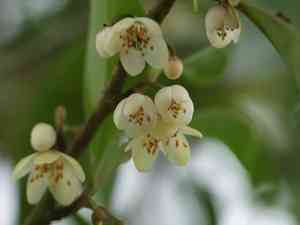
A compact, perennial shrub featuring lustrous foliage, east asian eurya flourishes with consistent trimming to preserve its form and foster a fuller appearance. The most effective time for pruning is in winter, concentrating on removing aged branches and deceased wood. Truncating stems stimulates fresh development, with careful consideration to uphold its inherent structure. Pruning enhances east asian eurya's robustness, diminishing the likelihood of illness through better air movement. This is an excellent method for cultivators seeking attractive, more robust plants.
What Are the Benefits of Pruning East Asian Eurya?
What Are the Benefits of Pruning East Asian Eurya?
Trimming east asian eurya promotes robust development and maintains its desired form. Regular removal of old or overgrown limbs ensures a strong structure, fostering a healthier plant more resistant to pests and diseases.
What Is the Best Time for Pruning East Asian Eurya?
What Is the Best Time for Pruning East Asian Eurya?
Pruning east asian eurya in late winter, prior to spring growth, allows for the removal of any dead or damaged branches without affecting its flowering potential. Winter trimming also reduces the risk of disease transmission, as many pathogens are dormant in colder weather. This timing ensures east asian eurya has ample time to recover and direct energy towards new growth in spring, promoting vigor and maintaining the plant's natural shape. Additionally, without leaves, it's easier to see the plant's structure, simplifying branch selection for removal.
What Tools Do I Need to Prune East Asian Eurya?
Hand Pruners
Perfect for precise cuts on east asian eurya's thinner branches, minimizing damage to the plant's structure.
Pruning Saws
Recommended for cutting thicker branches that hand pruners cannot manage, providing a clean cut without tearing.
Hedge Shears
Useful for shaping east asian eurya when used as a hedge, allowing for even trimming of the foliage.
Loppers
Effective for cutting slightly thicker branches, offering extended reach and greater leverage for cleaner cuts.
How to Prune East Asian Eurya
Clean tools
Sanitize pruning tools before starting to prevent disease spread to or from east asian eurya. Use alcohol or a bleach solution to disinfect blades.
Identify
Identify dead and diseased branches on east asian eurya, which typically appear dry, brittle, discolored, or show signs of fungal or pest damage.
Cut diseased branches
Prune diseased branches on east asian eurya first, cutting them back to healthy wood. Make cuts at a slight angle to prevent water accumulation that could lead to rot.
Remove dead branches
Remove dead branches from east asian eurya by cutting them at the point where they meet healthy tissue, ensuring a clean cut without damaging the collar.
Dispose
Dispose of the removed branches from east asian eurya properly. Do not compost diseased material; instead, burn or discard it to avoid contaminating the area.
Common Pruning Mistakes with East Asian Eurya
Over-pruning
Removing too much of east asian eurya's foliage at once can stress the plant, leading to reduced vigor and potentially harming its overall health.
Neglecting dead branches
Ignoring the removal of dead or diseased branches can lead to a proliferation of plant diseases and pests.
Improper tool use
Using dull or dirty tools can result in jagged cuts that can damage east asian eurya and introduce pathogens.
Inadequate sterilization
Failing to sterilize pruning tools between uses can spread disease from infected plants to healthy ones, including east asian eurya.
Unnecessary shaping
East asian eurya often has a natural shape that is aesthetically pleasing; excessive shaping can remove healthy, flowering branches unnecessarily.
Shearing
As east asian eurya can have a dense growth habit, shearing (trimming the plant into a hedge or specific shape) without thinning can result in a lack of airflow and light penetration, affecting the plant's health.
Common Pruning Tips for East Asian Eurya
Selective pruning
Focus on removing only the necessary branches such as dead, damaged, or diseased limbs to maintain the health and appearance of east asian eurya.
Thinning
Thin out crowded branches to improve light and airflow, which benefits east asian eurya's overall health and promotes more robust growth.
Use sharp tools
Always use sharp, clean pruning shears or clippers to make clean cuts that heal quickly, preventing harm to east asian eurya.
Cut at an angle
Make angled cuts just above a node or a bud pointing in the direction you want new growth to take, this encourages a fuller shape for east asian eurya.
Moderation
Practice moderation in pruning; only prune what is necessary to shape east asian eurya or to remove unhealthy growth, thereby avoiding undue stress to the plant.
Sterilize equipment
Before and after pruning east asian eurya, sterilize tools with alcohol or bleach solution to prevent the spread of diseases.



