How to Propagate East asian eurya?
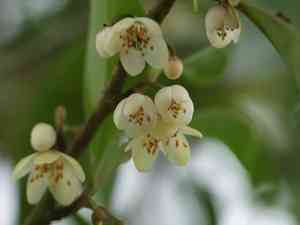
East Asian eurya can be successfully multiplied using stem sections. For best outcomes, choose robust, developed stems and divide them into pieces containing multiple leaf junctions. Applying rooting stimulant enhances the chances of success, fostering the cuttings in a damp, free-draining substrate until roots form, subsequently allowing their transfer to a permanent spot for continued development.
When Is the Optimal Time to Propagate East Asian Eurya?
Propagation Type
Cutting
Propagation Season
Autumn,Winter
What Tools Are Utilized for East Asian Eurya Propagation?
Sharp Pruning Shears
These are vital for obtaining cuttings from east asian eurya. The blades must be keen and clean to ensure a precise cut, minimizing harm to plant tissues. This aids in preventing potential entry points for pathogens.
Rooting Hormone Powder or Gel
This encourages root formation on east asian eurya cuttings. Applying rooting hormone to the cut end helps roots develop more quickly and efficiently, boosting propagation success rates.
Sterile Potting Mix
A light and sterile potting medium offers the perfect setting for east asian eurya cutting root growth. It helps prevent disease and supplies essential nutrients and aeration for young roots to emerge.
Plant Pots or Trays
These are used to house the cuttings once prepared and treated. Pots or trays should have good drainage and be cleaned and sterilized prior to use to avoid cross-contamination or pathogen introduction.
Plastic Covers or Mini Greenhouses
These tools assist in maintaining a high humidity environment around east asian eurya cuttings, which is critical for their survival and development. The cover prevents moisture loss, ensuring cuttings don't dry out before rooting.
How to Propagate East Asian Eurya?
Propagation Type
Moderately Difficult
How to Nurture Your Newly Propagated East Asian Eurya?
How to Nurture Your Newly Propagated East Asian Eurya?
Once roots have formed, gradually acclimatize the new east asian eurya plants to less humid conditions by removing the plastic cover. After establishment, transplants need consistent watering to keep the soil uniformly moist and should be placed in a partially shaded spot to prevent scorching. Annual trimming helps maintain shape and encourages denser growth. Regularly check for pests and diseases and apply suitable treatments promptly to keep east asian eurya healthy.
Common Errors to Avoid When Propagating East Asian Eurya
Overwatering cuttings
Excessive moisture can lead to root rot or fungal infections in east asian eurya cuttings. This reduces the likelihood of successful root establishment and can cause the cutting to perish.
Poor cutting selection
Using weak or diseased branches for cuttings compromises east asian eurya's ability to root effectively. Healthy, disease-free shoots are essential for successful propagation.
Inadequate humidity control
Failure to maintain a humid environment around east asian eurya cuttings can cause them to dehydrate before roots have formed, especially in drier climates or indoor settings.
Advice For Propagating East Asian Eurya
Choose healthy parent plants
Selecting vigorous and disease-free branches from east asian eurya ensures a higher success rate in rooting. This maximizes the genetic potential of cuttings, promoting healthy development.
Use rooting hormones
Applying a rooting hormone to the cut base of east asian eurya cuttings can significantly boost rooting success. This stimulates faster and more consistent root growth.
Provide indirect light
Ensuring that east asian eurya cuttings receive sufficient but indirect light supports optimal growth without causing sunburn or excessive water evaporation, which can impede root development.



