How to Transplant Roemer's spurge?
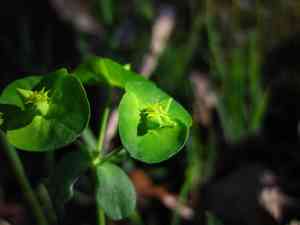
Roemer's spurge flourishes most effectively when relocated during the lively period of early to mid-spring. Choose a location that receives full sun to partial shade and possesses soil with good drainage. After transplanting, guarantee steady hydration for successful rooting.
Necessary Preparations Before Relocating Roemer's Spurge?
Optimal Timing for Roemer's Spurge Relocation?
Moving roemer's spurge in early to mid-spring offers an excellent period for development. During this time, the ground warms up, aiding root establishment prior to the intense summer heat. Consequently, roemer's spurge has ample opportunity to adapt and flourish, leading to a robust perennial presence in your garden.
Recommended Spacing Between Roemer's Spurge Plants?
When relocating roemer's spurge, aim for a distance of 12-18 inches (30-45 cm) between each plant. This provides sufficient room for growth and prevents competition for nutrients and sunlight. Proper spacing helps maintain a healthy garden environment.
Ideal Soil Mixture for Roemer's Spurge Relocation?
For roemer's spurge, utilize well-draining soil with a sandy loam composition. Enhance the soil with a balanced, slow-release fertilizer. Incorporating compost can also improve its quality, supplying essential nutrients for the plant's development.
Preferred Location for Your Roemer's Spurge?
Roemer's spurge thrives in full sunlight, so select a sunny spot in your garden. Aim for at least 6 hours of direct sunlight daily to ensure vigorous growth. Providing adequate light is vital for its development.
Equipment Needed Before Relocating Roemer's Spurge?
Gardening Gloves
To safeguard your hands while handling soil and plants.
Shovel or Spade
For excavating around the plant and preparing the new planting site.
Trowel
Useful for more precise digging tasks and working in confined areas.
Watering Can or Hose
For maintaining soil moisture and hydrating the plant after relocation.
Wheelbarrow
To move the plant from its original spot to the new planting location if the distance is considerable.
Mulch
To assist in retaining moisture and regulating soil temperature around the newly relocated plant.
Pruners
For trimming any damaged roots or foliage.
How to Extract Roemer's Spurge from the Soil?
How to Extract Roemer's Spurge from the Soil?
From Ground: First, hydrate the roemer's spurge plant to moisten the soil. Then, excavate a wide trench around the plant using a shovel or spade, ensuring the plant's root ball remains intact. Carefully work the spade beneath the root ball to lift the plant from its initial position.From Pot: Gently tap the pot's sides to loosen the soil. If the plant doesnât easily slide out, run a trowel along the pot's inner edge. Carefully slide out the roemer's spurge plant, supporting the stem's base and the root ball.From Seedling Tray: Water the seedling tray to soften the soil. Gently push from the tray's bottom to ease the seedlings out. Hold the roemer's spurge plant by the leaves (not the stem) and take care to keep the root ball intact.
Detailed Guide for Relocating Roemer's Spurge
Plant Preparation
Trim any damaged or excessively long roots with pruners. This encourages healthy new root development.
Digging the Hole
Excavate a hole in the new spot thatâs twice as wide and equally deep as the roemer's spurge plant's root ball. This provides ample room for the roots to spread.
Planting in New Site
Position the roemer's spurge plant in the hole's center. The root ball's top should be level with the surrounding soil. Backfill the hole with soil, gently firming it down to eliminate air pockets.
Watering
Thoroughly water the plant immediately after relocation. This helps settle the soil around the roots and lessens transplant shock.
Mulching
Apply a layer of mulch around the base of the roemer's spurge plant to help retain moisture and regulate soil temperature. Keep the mulch a few inches away from the stem to prevent rot.
Post-Relocation Care for Roemer's Spurge
Watering
Keep the soil around the roemer's spurge consistently moist, but not waterlogged, for the initial weeks after relocation to aid in strong root establishment.
Monitoring
Regularly check the plant for signs of transplant shock, such as wilting or yellowing leaves. Be patient; it may take some time for the plant to adapt to its new environment.
Fertilization
After approximately one month, you can begin light fertilization to promote growth. Be sure to use a balanced, slow-release fertilizer and adhere to the package instructions.
Troubleshooting Common Issues with Roemer's Spurge Relocation.
When is the best time to relocate roemer's spurge?
Early to mid-spring is ideal for relocating roemer's spurge to ensure healthy growth.
How much spacing is needed between roemer's spurge plants?
Space roemer's spurge plants 12-18 inches (30-45 cm) apart for optimal growth and airflow.
How do I prepare the soil for relocating roemer's spurge?
Ensure the soil is well-draining, enriched with compost, and slightly alkaline for best results.
What steps should I take before relocating roemer's spurge?
Water roemer's spurge thoroughly the day before, and dig a hole twice the size of the root ball.
Should I prune roemer's spurge before relocating?
Light pruning of damaged or dead stems helps roemer's spurge focus on root development post-relocation.
How deep should I plant roemer's spurge?
Plant roemer's spurge at the same depth it was previously growing to avoid stress.
How much water do roemer's spurge plants need after relocating?
Water roemer's spurge deeply immediately after relocating and keep the soil consistently moist for the first few weeks.
What are common pests to watch out for after relocating roemer's spurge?
Watch for aphids and spider mites; use insecticidal soap or neem oil as needed.
How do I protect roemer's spurge from transplant shock?
Avoid sun and wind exposure; use a temporary shade cloth to protect roemer's spurge for the first week.
How do I ensure healthy root development for roemer's spurge post-relocation?
Use a root stimulator when planting and ensure consistent watering to promote strong root growth.



