How to Prune Roemer's spurge?
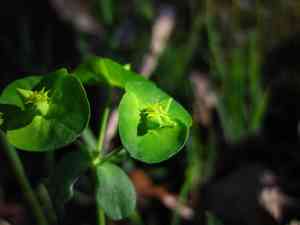
Roemer's spurge exhibits fleshy foliage and stalks. Trim roemer's spurge during the late winter or early spring period, prior to the emergence of new shoots. Eliminate any withered or compromised stems to foster vigorous development and preserve its form. Refrain from extensive cutting; perform light trimming to improve air circulation and deter ailments. Prune to manage its dimensions and contour, taking care not to interfere with the distinctive sap flow of this plant. Consistent trimming stimulates strong growth and aids in sustaining its visual attractiveness.
What Are the Benefits of Pruning Roemer's Spurge?
What Are the Benefits of Pruning Roemer's Spurge?
Trimming roemer's spurge encourages robust development and helps maintain its form. Regular trimming manages size, fosters healthy growth, lowers pest and disease risk, and improves the plant's overall look for a flourishing garden specimen.
What Is the Best Time for Pruning Roemer's Spurge?
What Is the Best Time for Pruning Roemer's Spurge?
Trimming roemer's spurge during early spring and late winter is optimal as these periods coincide with the plant's dormant phase and precede its active growth season. Pruning at these times helps minimize plant stress, promotes vigorous growth, and enhances future flowering or fruiting. Optimal timing also aids in removing winter-damaged branches and shaping the plant when it's less vulnerable to pests and diseases.
What Tools Do I Need to Prune Roemer's Spurge?
Bypass pruners
These are perfect for making clean cuts on the small stems, typical of roemer's spurge. Clean cuts facilitate rapid healing, reducing disease risk.
Gloves
Essential for protecting against the sap of roemer's spurge, which can irritate skin. Always wear gloves when handling this plant.
Sterilizing solution
Use to sanitize tools before and after pruning to prevent disease transmission. A 70% isopropyl alcohol solution is recommended.
Eye protection
Shields against accidental contact with the plant's sap, which can be harmful if it enters the eyes.
How to Prune Roemer's Spurge
Inspection
Carefully examine roemer's spurge for any indications of diseased or withered foliage. Use clean, sanitized pruning shears to prevent disease spread.
Sterilization
Sanitize your pruning tools with a mixture of one part bleach to ten parts water or rubbing alcohol before pruning to ensure hygiene.
Remove Diseased Leaves
Identify any leaves showing discoloration, spots, or damage. Cut these leaves off at their base, ensuring a clean cut to prevent further infection.
Remove Withered Leaves
Locate withered or dried-out leaves. Remove them by cutting at the base where the leaf meets the stem. Ensure removal does not harm healthy parts of roemer's spurge.
Disposal
Properly discard all removed diseased and withered leaves far from roemer's spurge to prevent any potential disease spread.
Common Pruning Mistakes with Roemer's Spurge
Over-pruning
Removing too much foliage can stress the plant and impede its growth. Roemer's spurge requires careful management to avoid excessive trimming.
Incorrect tools
Using dull or unsuitable tools can damage stems and lead to infections. Ensure your pruning shears are sharp and clean.
Improper cuts
Making cuts too close to the main stem or leaving long stubs can cause dieback. Cuts should be clean and made just above a node or bud.
Timing errors
Pruning at the wrong time can disrupt the plant's natural growth cycle and flowering pattern.
Common Pruning Tips for Roemer's Spurge
Sanitize tools
Always clean your pruning tools with disinfectant before and after use to prevent disease transmission.
Assess plant health
Evaluate the overall health and structure of roemer's spurge before beginning. First, remove any dead, diseased, or damaged branches.
Promote airflow
Thin out dense areas to improve air circulation and reduce the risk of fungal infections.
Shape maintenance
Prune to maintain the natural shape of roemer's spurge, focusing on achieving a balanced form without excessive thinning.



