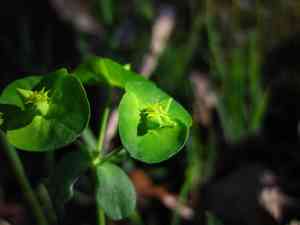
Roemer's spurge (Euphorbia roemeriana)
Also known as: Roemer's spurge
Roemer's spurge is a hardy perennial succulent characterized by its compact, mound-like growth and fleshy green leaves. It blooms in the spring with small, yellow-green flowers that may have red centers. This plant is well-suited to arid environments due to its ability to store water in its thick leaves and stems, enabling it to endure dry, rocky soils and intense sunlight. Its efficient water management and drought resistance are key to its survival and success in harsh, dry conditions.
In This Article
Attributes of Roemer's spurge
Lifespan
Perennial
Plant Type
Herb, Succulent
Plant Height
0 mm to 30 cm
Spread
N/A
Leaf Color
Light green
Flower Size
N/A as the flowers are very small and inconspicuous
Flower Color
Greenish-yellow
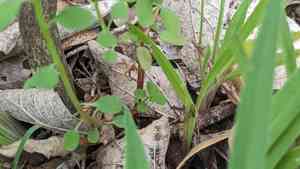
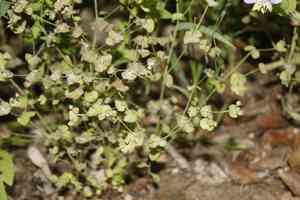
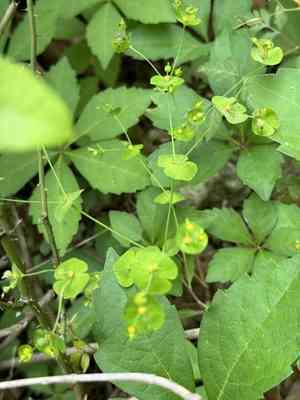
Images of Roemer's spurge
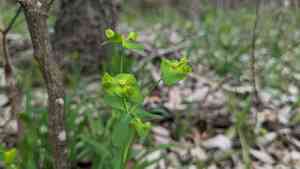
Quickly Identify Roemer's spurge
1
This plant can be identified by its small, light green leaves and its distinctive, globose fruit. It often grows in clumps and has a milky sap that is a characteristic feature of the Euphorbia genus.
Scientific Classification of Roemer's spurge
Phylum
Vascular plants
Class
Dicotyledons
Order
Malpighiales
Family
Spurge
Genus
Spurges
Species
Roemer's spurge
Planting and Growing of Roemer's spurge
Care Difficulty
Moderate
Watering Schedule
Every 2 days
Sunlight Requirements
Partial sun
Sunshine Duration
6-10 hours
Ideal Temperature
60-75℉
Soil Type
Potting Mix, Peat Mix
Soil pH
6.5-7.5
Fertilizer Type
Balanced
Pruning Season
Spring, Summer
Pruning Area
Branches, Leaves
Pruning Frequency
2 times a year
Repotting Season
Spring
Pot Type
Plastic, Terracotta
 How to Water Roemer's spurge?
Euphorbia roemeriana prefers a thorough watering where the soil is drenched and excess water drains out from the bottom of the pot. It is crucial to ensure that the soil has dried out entirely before watering again. This prevents root rot and ensures the plant receives adequate moisture without suffocation.
What are the symptoms of an underwatered Roemer's spurge?
›
What should I do if my Roemer's spurge is not getting enough water?
›
What are the symptoms of an overwatered Roemer's spurge?
›
How to save an overwatered Roemer's spurge?
›
 What Are the Sunlight Requirements for Roemer's spurge?
Euphorbia roemeriana thrives in partial sun, where it receives gentle light each day. This helps maintain healthy growth, color, and photosynthesis efficiency, ensuring an optimal living condition for the plant.
What is the best lighting condition for Euphorbia roemeriana?
›
How can I achieve the ideal lighting for Euphorbia roemeriana?
›
What benefits does Euphorbia roemeriana gain from ideal lighting?
›
 What Is the Ideal Temperature Range for Roemer's spurge?
For optimal growth, Euphorbia roemeriana thrives best within 60°F to 75°F. This temperature range mimics its native desert-like environment, providing warmth that supports its physiological processes, including photosynthesis and water uptake.
 What Soil is Best for Roemer's spurge?
Euphorbia roemeriana thrives in well-drained soils which prevent waterlogging, a condition that can cause root rot. Good drainage ensures healthy root development and easy access to nutrients. While being adaptive, Euphorbia roemeriana benefits from soils rich in organic matter. This enhances growth by providing essential nutrients and improving water retention. The plant prefers soils that can retain moisture without becoming soggy. This balance helps in sustaining the plant during dry spells while preventing fungal issues.
 How to Fertilize Roemer's spurge?
Euphorbia roemeriana prefers a balanced fertilization approach. A liquid fertilizer with a 10-10-10 NPK ratio is suitable for regular feeding. For slow-release pellets, use about 20 grams per plant annually, split into three applications. This helps ensure the nutrients are absorbed efficiently without overwhelming the plant.
 How to Prune Roemer's spurge?
Before you begin, you'll need a sharp, sterilized pair of pruning shears to make clean cuts. Ensure they're suitable for cutting thicker, more fibrous stems. Carefully examine your plant for any dead or diseased sections. These can usually be identified by their dry, brittle appearance or discoloration. Cut these back to healthy tissue to prevent the spread of disease. To maintain an attractive form, you may need to trim back excessively long stems. Aim to cut about a third of the stem length to encourage branching and avoid unbalanced growth. Euphorbia roemeriana can flower, so if you wish to encourage blooms, avoid pruning flowering stems unless they're damaged or dead.
More About Pruning Techniques→
 How to Propagate Roemer's spurge plant?
1
Gather seeds from the Euphorbia roemeriana's seed pods once they have dried. Ensure the seeds are mature for best results and store them in a cool, dry place before sowing.
2
Select healthy, non-flowering stems for cutting. Cut segments about four to six inches long, ensuring each has at least two nodes, and remove any leaves from the lower part of the stem.
3
For seeds, sow them in a seed tray filled with a well-draining soil mix. For cuttings, dip the cut ends in rooting hormone and insert them into moist, well-aerated soil mix to encourage root growth.
 How to Repot Roemer's spurge plant?
1
Repot Euphorbia roemeriana when you notice the plant becoming root-bound, which means roots are circling the base of the pot. Additionally, if the plant outgrows its pot or the soil has degraded, it's time to consider repotting. Keep an eye on water retention; if water drains too quickly or too slowly, it might be time for fresh soil.
2
Select a pot that is one size larger than the current one, with drainage holes at the bottom. The new pot should provide enough room for root expansion without being excessively large, as too much space can lead to water retention issues. Terracotta pots are excellent as they promote better air circulation and help prevent overwatering.
3
Opt for a well-draining cactus mix to ensure the roots do not sit in water. Look for soil that contains a mixture of sand, perlite, and peat moss. This combination allows for adequate drainage while still retaining necessary moisture, helping to prevent root rot and promote healthier plant growth.
Toxicity
Ingestion, skin contact
WARNING
The judgment on toxicity and danger is for reference only. We DO NOT GUARANTEE any accuracy of such judgment. Therefore, you SHALL NOT rely on such judgment. It is IMPORTANT TO SEEK PROFESSIONAL ADVICE in advance when necessary.
Learn More About Roemer's spurge Diseases
Bacterial Leaf Spot
Bacterial Soft Rot
Crown Gall
Cyst Nematode
Damping-off
Downy Mildew
Drought Stress
Fusarium Wilt
Gray Mold
Leaf Spot
Mosaic
Nutrient Deficiency
Nutrient Toxicity
Powdery Mildew
Root Rot
Root-knot Nematode
Rusts
Sooty Mold
Spider Mites
Temperature Stress
Thrips Damage
White Mold
Chemical Injury



