How to Propagate Roemer's spurge?
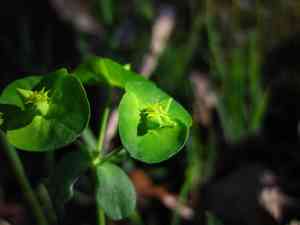
Roemer's spurge, a species within the Euphorbiaceae family, originates from dry environments. The main method for multiplying roemer's spurge is through seed planting. Young plants flourish in soil that drains effectively and requires infrequent watering, which prevents root decay. A steady, moderate temperature aids in successful germination. Positioning in direct sunlight encourages optimal development, preventing excessive shade from nearby vegetation. Verify that the soil is friable, facilitating root establishment and anchorage.
Optimal Period for Roemer's Spurge Propagation
Propagation Method
Seeding
Propagation Season
Spring
Tools Required for Roemer's Spurge Propagation
Seed Trays
Seed trays are crucial for germinating roemer's spurge seeds. They offer a controlled setting for seed sprouting, enabling uniform distribution and appropriate spacing of seeds, which is vital for the delicate roemer's spurge seedlings.
Seed Starting Mix
A sterile, well-draining seed starting mix helps prevent damping-off disease and provides ideal conditions for roemer's spurge seeds to sprout. This mix ensures good air circulation and moisture retention, supporting robust root development.
Mister/Spray Bottle
A gentle misting device is important to keep the surface of the seed starting mix moist without disturbing the seeds. Consistent moisture is essential for the successful germination of roemer's spurge.
Humidity Dome
A humidity dome helps maintain a consistent, moist environment, which is beneficial for the germination of roemer's spurge seeds. It reduces moisture loss and creates a greenhouse effect that promotes quicker germination.
Heating Mat
Using a heating mat beneath the seed trays provides consistent bottom warmth, which can enhance the germination rate of roemer's spurge. This tool is especially useful if the ambient temperature is not optimal for seed germination.
Seed Label and Marker
Labeling the seed trays with the sowing date and plant species ensures proper identification and tracking of roemer's spurge seedlings, which is critical for monitoring their growth and health.
Fine Mesh Sieve
A fine mesh sieve is useful for lightly covering roemer's spurge seeds with a thin layer of seed starting mix. It ensures even coverage and appropriate soil contact, which can enhance germination success.
Fan or Ventilation System
Proper air circulation is essential to prevent fungal diseases and promote sturdy growth in roemer's spurge seedlings. A small fan can help simulate outdoor conditions and reduce the risk of damping-off.
Transplanting Tools
Small, handheld tools like dibbers and transplanting trowels are necessary for moving the delicate roemer's spurge seedlings from seed trays to individual pots or garden beds. These tools facilitate minimal root disturbance, ensuring healthier transplants.
How to Propagate Roemer's Spurge?
Propagation Type
Simple
Caring for Your Newly Propagated Roemer's Spurge
Caring for Your Newly Propagated Roemer's Spurge
Once roemer's spurge seedlings have emerged and developed their second set of true leaves, they can be carefully moved into individual containers or an outdoor spot with well-draining soil. Ensure they receive partial sunlight and shield them from extreme heat. Water the young plants sparingly, allowing the soil to dry out between waterings. Regularly check for pests and apply a balanced, diluted fertilizer during the growing season to encourage healthy development.
Common Errors to Avoid When Propagating Roemer's Spurge
Overwatering
Excessive watering can lead to root rot and fungal growth, both of which can be lethal to roemer's spurge. This plant prefers well-drained soil and does not thrive in overly wet conditions.
Improper Light Conditions
Providing either too much direct sunlight or too much shade can hinder growth. Roemer's spurge requires bright, indirect light for optimal growth.
Using Incorrect Soil
Using heavy, poorly drained soil can suffocate the roots and cause root rot. Roemer's spurge needs well-draining soil to prevent waterlogging.
Incorrect Cutting Technique
Not allowing cuttings to callous over before planting can lead to rot. Roemer's spurge cuttings need to dry and callous to prevent infection.
Overuse of Fertilizers
Applying too much fertilizer can burn the roots and damage the plant. Roemer's spurge is a light feeder and requires balanced, minimal fertilization.
Tips For Propagating Roemer's Spurge
Well-Draining Soil
Use a cactus or succulent mix to ensure proper drainage and avoid water retention.
Moderate Watering
Water sparingly and allow the soil to dry out between waterings to prevent root rot.
Adequate Light
Place roemer's spurge in a location with bright, indirect sunlight to foster healthy growth.
Allow Cuttings to Callous
After taking cuttings, let them dry and callous for a few days before planting to prevent rot.
Proper Fertilization
Use a balanced, diluted fertilizer sparingly to provide essential nutrients without overwhelming the plant.



