How to Transplant Upright myrtle spurge?
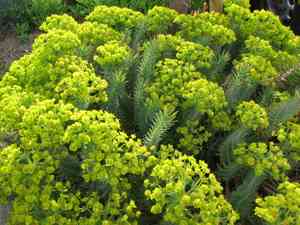
For an optimal beginning for your upright myrtle spurge, select a transplanting period at the commencement of the growing cycle, usually as winter's grip loosens. Pick a location featuring soil that drains effectively and abundant sunlight. A gentle recommendation: proceed cautiously to safeguard the root system's soundness.
Essential Preparations Before Relocating Upright Myrtle Spurge?
Optimal Timing for Transplanting Upright Myrtle Spurge?
The gentle warmth of early spring provides the ideal window for relocating upright myrtle spurge. This season offers a fresh start with moderate temperatures, promoting root development before summer's heat. Choosing this period gives upright myrtle spurge a head start for robust growth and resilience. By settling upright myrtle spurge into its new home during this time, you ensure it has the best chance to flourish, thanks to the stable and nurturing conditions inherent to springtime.
Recommended Spacing Between Upright Myrtle Spurge Plants?
For upright myrtle spurge, maintain an optimal distance of approximately 1-2 feet (30-60 cm) between each plant. This spacing allows ample room for healthy development. Using a ruler for precision is recommended; your plants will benefit from it!
Best Soil Mixture for Upright Myrtle Spurge Transplanting?
Upright myrtle spurge requires soil that drains effectively to thrive. Starting with a base of organic compost or manure can be beneficial. Remember, nutrient-rich soil will provide upright myrtle spurge with a strong foundation.
Where to Replant Your Upright Myrtle Spurge?
Select a site with full sun exposure for upright myrtle spurge. An area receiving at least 6 hours of direct sunlight daily would be perfect. If possible, avoiding spots with afternoon shade will maximize your plants' chances of success.
Tools Required Before Transplanting Upright Myrtle Spurge?
Gardening Gloves
To safeguard your hands while handling soil and plants.
Shovel or Garden Spade
Useful for extracting the plant from its original spot and preparing the new planting site.
Watering Can
Necessary for hydrating the plant before and after relocation.
Gardening Trowel
Convenient for digging smaller holes than a shovel when moving from a pot or seedling tray.
Pruning Shears
Crucial for trimming any damaged roots or stems during the transplanting process.
How to Extract Upright Myrtle Spurge from the Soil?
How to Extract Upright Myrtle Spurge from the Soil?
From Ground: First, moisten the soil around the upright myrtle spurge plant to facilitate removal. Then, dig a wide trench around the plant using a shovel or spade, ensuring the root ball remains intact. Once the plant is loose, carefully lift it, keeping as much soil around its roots as possible to minimize disturbance.From Pot: Water the upright myrtle spurge plant thoroughly to ease its removal. Then, invert the pot while holding your hand over the soil, with the plant's stem between your fingers. Gently slide the pot off. If it resists, tap the pot's rim on a firm surface to loosen it.From Seedling Tray: Gently grasp the upright myrtle spurge plant's stem and lift while pushing up the base with a pencil or similar tool. Hold by the leaves, not the stem, as the stem is easily damaged. The entire seedling should come out smoothly from the tray.
Detailed Steps for Transplanting Upright Myrtle Spurge
Hole Preparation
Excavate a hole that is twice the width of the root ball and of equal depth.
Plant Placement
Position the upright myrtle spurge plant in the hole, ensuring the top of the root ball is level with the soil surface. Adjust the hole's depth if necessary.
Backfilling
Refill the hole with native soil, gently compacting the soil around the plant.
Watering
Water thoroughly after transplanting to settle the soil around the roots and aid in establishment.
Mulching
Apply a thin layer of mulch around the base of the upright myrtle spurge plant. This helps retain moisture and suppresses weed growth.
Post-Transplant Care for Upright Myrtle Spurge?
Consistent Watering
Water regularly but avoid over-saturating. Upright myrtle spurge prefers slightly dry conditions.
Pruning
Remove any dead or dying foliage to redirect the plant's energy towards new growth.
Frost Protection
If frost is anticipated, consider covering the upright myrtle spurge plant or providing some form of frost protection, as it is vulnerable to cold damage.
Pest Monitoring
Keep an eye out for common pests. If found, treat with insecticidal soap or remove manually with a gentle water spray.
General Inspection
Monitor the upright myrtle spurgeâs overall health and development. Transplanting may cause temporary wilting, but new growth should appear within a few weeks. If the plant continues to struggle, it may not be adapting well and might require additional attention.
Resolving Common Issues with Upright Myrtle Spurge Transplantation.
When is the best time to transplant my upright myrtle spurge?
The optimal period to move your upright myrtle spurge is during S1, its dormant phase, as the plant is most resilient to stress and settles easily into a new location.
What's the best way to prepare upright myrtle spurge for transplantation?
Start by thoroughly watering your upright myrtle spurge a day before transplanting. This makes extraction easier and less stressful for the plant.
How much space should be between each upright myrtle spurge after transplanting them?
Maintain a consistent spacing of approximately 1-2 feet (30-61 cm) between each plant. This allows each upright myrtle spurge ample room to thrive without competing for light and nutrients.
My transplanted upright myrtle spurge appears to be wilting, what could be the problem?
Ensure your upright myrtle spurge is adequately watered after transplanting. Wilting could indicate shock or dehydration; regular watering helps it re-establish its roots faster.
Do I need to add any fertilizer when transplanting the upright myrtle spurge?
No, upright myrtle spurge does not require special fertilizer during transplanting. Rich, well-drained soil should be sufficient for growth.
Why does my transplanted upright myrtle spurge have yellowing leaves?
Yellowing leaves might be due to overwatering or poor drainage. Ensure the new location provides adequate drainage and monitor your watering schedule.
Is there a specific depth I should dig to place the upright myrtle spurge in its new location?
The hole should be twice as wide as the root ball but not deeper. Having the crown of upright myrtle spurge level with or slightly above the soil surface promotes healthy growth.
What can I do if my upright myrtle spurge shows signs of transplant shock?
Minimize stress by maintaining consistent watering and adding a layer of mulch around the base to retain soil moisture and regulate temperature.
What can cause my transplanted upright myrtle spurge to not flower?
Insufficient sun, excessive water, or poor soil can prevent upright myrtle spurge from flowering. Ensure it receives full sunlight and well-drained soil in its new location.
How long does upright myrtle spurge take to establish after transplantation?
Upright myrtle spurge typically takes a few weeks to establish after transplanting. Look for new growth as an indicator that the plant is adapting well to its new environment.



