How Much Sunlight Do Upright myrtle spurge Need?
1
Upright myrtle spurge flourishes in locations receiving ample direct sunlight, preferably over 6 hours daily.
2
Too much sun exposure may lead to leaf burn and plant distress.
3
For indoor cultivation, position Upright myrtle spurge close to a window facing south.
Optimal Light Conditions for Upright Myrtle Spurge
Full Sun Requirements
For Upright myrtle spurge, full sun is the best environment. This plant thrives in spots receiving ample sunlight, at least six hours of direct sun daily. Full sun exposure helps Upright myrtle spurge maintain its vibrant foliage and encourages robust development. Ideally, planting it in a south-facing garden or yard area will maximize its light intake.
Partial Shade Tolerance
While Upright myrtle spurge prefers full sun, it can endure partial shade. Partial shade means the plant gets some direct sunlight but is protected from the harshest midday rays. In very intense sunlight or high-temperature climates, partial shade can help prevent leaf burn. If you notice stressed or yellowing foliage, consider providing some afternoon shade.
Daily Sunlight Hours
For peak growth, aim for Upright myrtle spurge to receive approximately 6 to 8 hours of sunlight each day. This duration ensures the plant gets sufficient light for photosynthesis without being overwhelmed by potentially damaging intense sun rays. Monitoring sunlight duration with a simple garden timer or phone app can help meet the plant's needs.
Advantages of Proper Sunlight for Upright Myrtle Spurge
Enhanced Growth
Appropriate sunlight exposure is vital for the vigorous growth of Upright myrtle spurge. Full sun ensures the plant receives enough energy to produce food through photosynthesis. This leads to a lush, strong plant, with denser, bushier foliage and improved overall health. Plants grown in optimal sunlight tend to be more resilient and less prone to damage.
Improved Blooming
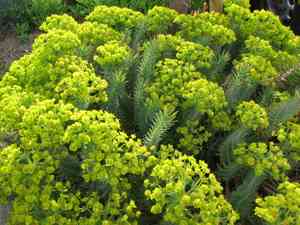
One of the most rewarding aspects of cultivating Upright myrtle spurge is its distinctive flowering pattern. Proper sunlight exposure promotes abundant blooming, yielding vibrant yellow-green flowers in spring. These blooms are not only visually appealing but also attract pollinators, making your garden a lively ecosystem. Ensuring adequate sunlight will result in more prolific and extended flowering periods.
Pest and Disease Resistance
Healthy sunlight exposure can also strengthen Upright myrtle spurge's natural defenses against pests and diseases. Strong, well-lit plants possess more robust immune systems, making them less likely to succumb to common garden ailments. Furthermore, full sun reduces excess moisture, which helps prevent mold and fungi growth, keeping the plant healthy and vigorous.
Indicators of Insufficient Sunlight for Upright Myrtle Spurge
Symptoms of Too Little Sunlight
Recognizing signs of inadequate sunlight is crucial for maintaining Upright myrtle spurge's health. Symptoms include leggy or stretched growth, where the plant reaches for light, pale or yellowing leaves, and poor flowering. If these symptoms appear, consider moving the plant to a sunnier location or increasing its natural light exposure.
Consequences of Excessive Sunlight
Just as too little sunlight can stress your plant, too much can also be detrimental. Symptoms of excessive sunlight include scorched or brown leaves, wilting despite sufficient watering, and stunted growth. If your Upright myrtle spurge is suffering from too much sun, providing partial shade during the hottest part of the day or using shade cloth can help mitigate the damage.
Optimizing Sunlight Exposure for Upright Myrtle Spurge
Positioning and Placement
To maximize sunlight exposure for Upright myrtle spurge, strategic placement is essential. Position the plant in areas with unobstructed southern or western exposure. Avoid spots where nearby structures or trees cast shadows that could limit sunlight. For container-grown plants, an easily movable pot allows for repositioning as seasons change.
Seasonal Sunlight Adjustments
Sunlight intensity and duration vary with the seasons. In summer, Upright myrtle spurge might benefit from some afternoon shade to protect against intense heat. Conversely, in winter, placing the plant in the brightest available spot ensures it receives ample light. Being aware of these seasonal shifts and adjusting accordingly can promote year-round health.
Artificial Light Solutions
In situations where natural light is insufficient, such as indoor cultivation, artificial lighting can be a beneficial solution. Using grow lights designed for succulents can provide the necessary spectrum and intensity of light. Position the grow lights 12-18 inches (30-45 cm) above the plant and keep them on for about 12 hours daily to mimic natural sunlight and ensure Upright myrtle spurge thrives even in less-than-ideal conditions.



