How to Transplant Sonoran sandmat?
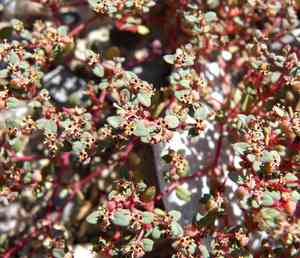
The most favorable periods for relocating sonoran sandmat are during the earth's resurgence in mid-to-late spring or as the heat diminishes from mid-to-late autumn, facilitating root development free from harsh climatic pressures. Select a location bathed in sunlight with soil that drains effectively. Careful manipulation guarantees successful adaptation.
Essential Preparations Before Relocating Sonoran Sandmat
Optimal Timing for Sonoran Sandmat Relocation?
Choose the gentle onset of spring or the refreshing coolness of autumn for transplanting sonoran sandmat. This period allows sonoran sandmat to establish roots without the harshness of summer or the severity of winter.
Recommended Spacing Between Sonoran Sandmat Plants?
Hello, gardening enthusiast! Let's provide our sonoran sandmats ample room to thrive by positioning them 15-18 inches (38-46 cm) apart. This ensures they have sufficient space to develop without competing for nutrients or sunlight.
Ideal Soil Mixture for Sonoran Sandmat Transplanting?
For your sonoran sandmat to flourish, let's prepare the soil correctly! Aim for a soil blend that drains well, and prior to planting, incorporate a mild, balanced fertilizer to give them a strong start. Remember, a little care goes a long way!
Preferred Location for Your Sonoran Sandmat?
Our sonoran sandmat enjoys soaking up the sun! Select a sunny spot that receives at least 6 hours of direct sunlight daily. This will help your plants remain healthy and produce beautiful blooms.
Equipment Needed Before Transplanting Sonoran Sandmat?
Gardening Gloves
To safeguard your hands while handling soil and plants.
Trowel
For excavating small holes and moving young plants.
Spade or Shovel
For carefully digging up the plant with minimal root disturbance.
Watering Can or Hose
To gently hydrate the plant post-transplant.
Pruners or Scissors
To trim any damaged roots or stems.
Wheelbarrow or Bucket
To move the plant and soil without harming the roots.
How to Extract Sonoran Sandmat from its Current Location?
How to Extract Sonoran Sandmat from its Current Location?
From Ground: First, moisten the sonoran sandmat plant to dampen the soil. Then, dig a wide trench around the plant using a shovel or spade, ensuring the plant's root ball stays intact. Carefully work the spade beneath the root ball to lift the plant from its original spot.From Pot: Water your sonoran sandmat thoroughly before beginning. Turn the pot sideways and gently tap the base to loosen the plant. Support the plant's base with one hand, and pull the pot away with the other. If the plant doesn't release easily, roll the pot or press around the exterior to loosen the soil.From Seedling Tray: Water the seedlings generously before starting the transplant to ensure the soil is damp. Gently press the bottom of the cell to push the seedling out. Grasp the seedling by its leaves, not the stem, and carefully remove it from the tray.
Detailed Steps for Transplanting Sonoran Sandmat
Preparation
Gather all necessary tools and water sonoran sandmat in its current spot to lessen transplant shock and facilitate removal from the soil or container. This moistening should occur a few hours before transplanting, allowing excess water to drain and the soil to settle slightly while remaining damp.
Root Ball Handling
If moving from the ground or a pot, ensure a substantial amount of soil is taken with the roots to safeguard the delicate root ball. Be careful not to break the root ball, keeping as much soil attached to the roots as possible.
Hole Excavation
Prepare the new site by digging a hole that is twice the width of your sonoran sandmat's root ball but no deeper than the plant was originally growing. This allows for root expansion without the plant sinking too low, which could lead to rot.
Plant Placement
Gently lower your sonoran sandmat into the hole. Position the plant so it is centered and the top of the root ball is level with the surrounding soil surface.
Backfilling
Carefully refill the hole with soil, gently firming it around the root ball to eliminate air pockets.
Post-Transplant Watering
Water the sonoran sandmat thoroughly after planting to settle the soil around the roots and aid in recovery from transplant shock.
Observation
Monitor your sonoran sandmat over the subsequent weeks, paying close attention to changes in leaf color or texture, which might indicate a need for more or less water or potential adjustments in the new location.
Post-Transplant Care for Sonoran Sandmat
Consistent Watering
Ensure the soil remains uniformly moist, watering whenever the top inch feels dry to the touch. Overwatering can be as detrimental as under-watering, so avoid leaving the plant in standing water.
Mulching
Apply a layer of organic mulch around, but not touching, the stem of your sonoran sandmat. This helps maintain soil moisture and regulate soil temperature.
Pest Prevention
Keep an eye out for pests and act promptly if you notice any, employing suitable measures to keep your sonoran sandmat healthy.
Support Stakes
For taller sonoran sandmat specimens, consider installing a stake soon after transplanting to help support the plant in its new location and protect it from strong winds.
Addressing Common Issues with Sonoran Sandmat Transplantation.
When is the best time to transplant sonoran sandmat?
The optimal transplanting periods for sonoran sandmat are from mid-spring to late-spring or mid-fall to late-fall, when temperatures are moderate.
What spacing should I use for sonoran sandmat when transplanting?
Space sonoran sandmat approximately 15-18 inches (38-46 cm) apart to ensure they have adequate room to grow and thrive.
Why is my transplanted sonoran sandmat wilting after planting?
Wilting can result from transplant shock. Ensure proper hydration and avoid direct sun exposure immediately after transplanting to aid recovery.
How deep should the hole be for transplanting sonoran sandmat?
Dig a hole that is slightly larger than the root ball of sonoran sandmat, but not deeper, to encourage upward growth.
Can I transplant sonoran sandmat on a hot summer day?
Transplanting sonoran sandmat during extreme temperatures can stress the plant. Stick to cooler parts of the day and preferred transplant seasons.
What soil type is ideal for transplanting sonoran sandmat?
Use well-draining soil for sonoran sandmat as it helps prevent root rot and supports healthy growth post-transplant.
How much should I water sonoran sandmat after transplanting?
Water sonoran sandmat generously after transplanting, then regularly but allow the soil to slightly dry out between watering.
Is it necessary to fertilize sonoran sandmat when transplanting?
It's not crucial to fertilize immediately. Wait a few weeks post-transplant for sonoran sandmat to establish before fertilizing gently.
Should I prune sonoran sandmat during transplanting?
Pruning is not required during transplanting. Focus on root establishment. Prune only if there is damaged foliage that might stress sonoran sandmat.
What if sonoran sandmat shows no growth after transplanting?
Be patient, as sonoran sandmat may experience transplant shock. Ensure you are meeting its needs for water, light, and soil. Consider if the season might be affecting growth.



