How Much Sunlight Do Sonoran sandmat Need?
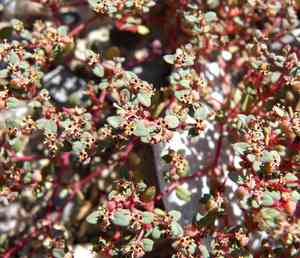
1
Sonoran sandmat thrives optimally with ample sunlight, needing over 6 hours of direct sun each day.
2
This resilient flora can endure some shade, yet its growth might not be as robust as in full sun.
3
Inside, reflective materials can enhance the light reaching Sonoran sandmat.
Sunlight Needs for Sonoran Sandmat
Optimal Sun Exposure Duration
For Sonoran sandmat, proper sun exposure is vital for its development. This resilient plant thrives with over 6 hours of direct sunlight daily. Full sun allows for efficient photosynthesis, generating the energy needed for robust growth. In peak summer, it can endure 8-10 hours of intense light, typical of arid zones. However, balance sun with temperature, as extreme heat can stress the plant.
Best Placement for Maximum Sunlight
To ensure your Sonoran sandmat gets enough sunlight, choose its location carefully. Whether grown outdoors or indoors, the best spot provides ample light all day. For outdoor planting, select an unshaded area in your garden. South-facing spots are usually ideal. Indoors, place it near south-facing windows for maximum light. Check for obstructions that cast shadows to maintain consistent light access.
Seasonal Impact on Light Requirements
Seasonal shifts significantly affect the sunlight your Sonoran sandmat receives. Summer brings longer, more intense days, providing abundant light. In winter, shorter days and lower light intensity can hinder growth. To compensate, you might need to relocate the plant or use artificial grow lights to ensure sufficient illumination. Understanding these seasonal changes helps maintain your Sonoran sandmat's health and vibrancy year-round.
Providing Indoor Sunlight for Sonoran Sandmat
Utilizing Artificial Grow Lights
When natural light is insufficient, especially in winter, artificial grow lights are an excellent way to ensure your Sonoran sandmat gets enough light. LED grow lights are efficient and effective, mimicking the full spectrum of natural sunlight for healthy growth. Position them about 12-18 inches (30-45 cm) above the plant, and keep them on for 12-14 hours daily to simulate a natural light cycle.
Window Placement Strategies
Indoor Sonoran sandmat plants flourish near windows with abundant sunlight. South-facing windows are perfect for consistent light. If unavailable, east or west-facing windows can work, but you may need to move the plant to optimize light exposure. Sheer curtains can diffuse intense sun, preventing leaf burn while allowing sufficient light.
Monitoring Light Levels
Correct light intensity is crucial for Sonoran sandmat growth. Too little light causes stunted growth, while too much can lead to sunburn. Use a light meter to check levels; ideally, aim for 10,000 lux or more. Observe the leaves for stress: pale or scorched leaves indicate too much light, while elongated stems and dark, drooping leaves suggest insufficient light. Adjust placement based on these signs for optimal sunlight.
Common Sunlight Issues and Solutions for Sonoran Sandmat
Identifying and Preventing Sunburn
Excessive direct sunlight can cause sunburn, appearing as scorched or yellowed leaves. To prevent this, avoid placing your Sonoran sandmat in extremely intense sun, especially during the hottest part of the day. Use shade cloths outdoors and sheer curtains indoors during peak sun. Gradually introduce the plant to direct sunlight if it's been in a shaded or indoor environment to prevent shock.
Addressing Insufficient Sunlight
If your Sonoran sandmat lacks adequate sunlight, it may show signs like leggy growth, smaller leaves, or poor flowering. To fix this, move the plant to a brighter spot or supplement natural light with artificial grow lights. Reflective surfaces like aluminum foil or mirrors can also boost light by directing more sun onto the plant. Rotate the plant regularly for even light exposure.
Seasonal Light Adjustments
Seasonal changes require adjusting light conditions for your Sonoran sandmat. In winter, natural light is weaker, so move the plant to the brightest available spot or use supplemental artificial lighting. Conversely, summer months might necessitate shielding the plant from overly harsh sun to prevent sunburn. Understanding and adapting to these seasonal shifts will help maintain your Sonoran sandmat's health and growth.
FAQ: Sunlight and Sonoran Sandmat
Can Sonoran Sandmat Grow in Partial Shade?
While Sonoran sandmat generally thrives in full sun, it can tolerate partial shade. However, less sunlight may result in slower growth and less vibrant foliage. In regions with very intense sunlight, partial shade during the hottest hours can help prevent sunburn.
How to Tell if Sonoran Sandmat Gets Too Much Sun?
Signs of too much sun for your Sonoran sandmat include scorched or yellowed leaves and sunburned spots. To protect the plant, consider providing some shade during peak sunlight hours or using sheer curtains if it's indoors.
Can Reflective Surfaces Increase Sunlight?
Yes, reflective surfaces can effectively boost the amount of sunlight your Sonoran sandmat receives, especially during low-light seasons. Using materials like aluminum foil, whiteboards, or mirrors can help direct light onto the plant, ensuring it gets sufficient sunlight without constant relocation.



