How to Prune Sonoran sandmat?
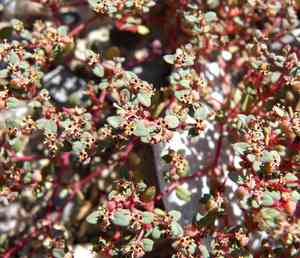
This enduring ground cover flourishes in dry conditions, featuring succulent foliage and diminutive blossoms. For sonoran sandmat, undertake light trimming to preserve its dense form and stimulate more robust development. The ideal period for pruning is from Spring through Fall, while sonoran sandmat is in its active growth phase. Avoid severe cutting; merely remove any tissues damaged by frost or that are no longer living. Consistent trimming improves its look, lowers the chance of illness, and stops excessive expansion, leading to a more vigorous and attractive specimen.
What Are the Benefits of Pruning Sonoran Sandmat?
What Are the Benefits of Pruning Sonoran Sandmat?
Trimming sonoran sandmat encourages robust development and helps maintain its desired form. This vital practice promotes fresh, healthy growth, enhancing the plant's vigor and aesthetic appeal.
What Is the Best Time for Pruning Sonoran Sandmat?
What Is the Best Time for Pruning Sonoran Sandmat?
Pruning sonoran sandmat in spring coincides with the start of its active growth phase, thereby boosting its vitality and fostering a strong structure. It's best to trim sonoran sandmat before summer's heat arrives, to lessen plant stress and shape it without affecting blooms or fruit, if applicable. Autumn pruning is not advised as sonoran sandmat might not have enough time to recover before potential winter stress, risking harm and illness.
What Tools Do I Need to Prune Sonoran Sandmat?
Bypass Pruners
Perfect for making clean, precise cuts on sonoran sandmat, which helps prevent plant disease and damage.
Gloves
Crucial for avoiding direct contact with sonoran sandmat's sap, which can irritate skin due to toxic compounds.
Safety Glasses
Important to wear to shield eyes from sap when pruning sonoran sandmat, as the sap can cause irritation or harm.
Small Gardening Shears
Useful for shaping sonoran sandmat or trimming small, delicate stems without causing unnecessary plant damage.
How to Prune Sonoran Sandmat
Disinfect tools
Before beginning the trimming process, sanitize all pruning implements to prevent disease transmission. Use a solution of 1-part household bleach to 9-parts water for disinfection.
Identify
Carefully inspect sonoran sandmat to locate the withered leaves that require removal. Look for leaves that are dry, discolored, or appear lifeless.
Cut
Using sharp, disinfected pruning shears, snip the withered leaves at their base where they meet the stem. Make clean cuts to avoid harming sonoran sandmat.
Dispose
Remove the trimmed leaves from the area and discard them properly to prevent any disease or pests from spreading in the garden.
Clean up
Clean the tools again after pruning to remove any sap, which can be sticky and may contain compounds that could irritate the skin or harm other plants.
Common Pruning Mistakes with Sonoran Sandmat
Over-pruning
Removing too much of sonoran sandmat's foliage at once can shock the plant, leading to poor growth or even death. Aim to prune no more than a third of the plant during a single session.
Ignoring plant shape
Randomly cutting branches without considering the natural shape of sonoran sandmat can result in an unsightly appearance and uneven growth.
Improper tool use
Using dull or dirty pruning tools can damage sonoran sandmat's tissue, leading to disease or poor healing of the cuts. Always use sharp and sterilized tools when pruning.
Pruning healthy growth
Cutting away healthy flowers and foliage may prevent sonoran sandmat from thriving. Focus on removing only dead, diseased, or overgrown parts.
Common Pruning Tips for Sonoran Sandmat
Selective pruning
Identify and remove only the unwanted or unhealthy parts of sonoran sandmat to maintain plant health and appearance. This encourages a bushier growth and healthy flowering.
Tool selection
Use sharp and appropriate-sized pruning shears for sonoran sandmat, ensuring clean cuts that heal more effectively and reduce the risk of disease.
Cutting technique
Cut at a 45-degree angle just above a leaf node to promote new growth for sonoran sandmat. Avoid cutting too close to the node to prevent damage.
Post-pruning care
After pruning sonoran sandmat, provide appropriate care such as watering and mulching to support recovery and new growth.



