How to Transplant Woodland spurge?
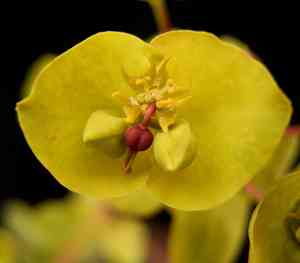
The most favorable period for relocating Euphorbia amygdaloides is at the lively commencement of spring. Selecting a site that offers dappled sunlight and soil that drains effectively is essential for its successful establishment. Remember to uphold steady hydration levels after transplantation for optimal outcomes.
Essential Preparations Before Relocating Woodland Spurge?
Optimal Period for Moving Woodland Spurge?
The best time to move woodland spurge is from the beginning to the end of spring. This timeframe allows the plant to establish its root system before the intense summer heat and benefits from the moist, warming soil, promoting vigorous growth. Transplanting during these months ensures higher survival rates and robust development for this perennial.
Recommended Spacing Between Woodland Spurge Plants?
Ensure each woodland spurge plant is spaced approximately 12-18 inches (30-45 cm) apart. This provides ample room for growth and facilitates good air circulation, contributing to their overall health.
Ideal Soil Blend for Woodland Spurge Transplantation?
Utilize well-draining soil, a mixture of sand, loam, and clay. Prior to transplanting woodland spurge, enrich the soil with a balanced base fertilizer to encourage strong root development and growth.
Optimal Location for Your Woodland Spurge?
Select a site that receives partial to full sunlight for the majority of the day. Woodland spurge thrives best with about 4-6 hours of sunlight, so choose a spot that offers this balance.
Equipment Needed Before Transplanting Woodland Spurge?
Gardening Gloves
To safeguard your hands while handling soil and the plant.
Shovel or Spade
For excavating around and beneath the plant.
Trowel
To assist with more precise digging and plant manipulation.
Watering Can or Hose
To hydrate the plant and soil both before and after relocation.
Pruning Shears
In case any damaged roots or foliage require trimming.
Mulch
To aid in retaining soil moisture post-transplantation.
How to Extract Woodland Spurge from the Soil?
How to Extract Woodland Spurge from the Soil?
From Ground: First, water the woodland spurge plant to moisten the soil. Next, dig a wide trench around the plant using a shovel or spade, ensuring the plant's root ball remains intact. Carefully work the spade beneath the root ball to lift the plant from its original spot.From Pot: Water the woodland spurge plant thoroughly before removing it from its container. Turn the pot on its side and gently tap the edges to loosen the soil. Carefully slide the plant out by holding its base, keeping the root ball intact.From Seedling Tray: Lightly water the woodland spurge seedlings. Gently loosen the soil around each seedling with a trowel, being careful not to harm the roots. Lift the seedlings by their leaves or stems, preserving as much of the root ball as possible.
Step-by-Step Guide for Relocating Woodland Spurge
Location Selection
Choose a site with adequate sunlight and room for your woodland spurge plant to reach its mature size.
Excavate the Hole
Dig a hole in the ground that is twice the width and the same depth as the root ball of your woodland spurge plant.
Prepare the Ground
Loosen the soil at the bottom of the hole to allow roots to penetrate easily.
Position the Plant
Place the woodland spurge plant in the hole so the top of the root ball is level with the surrounding soil.
Backfill the Hole
Refill the hole with soil, gently firming it around the root ball to eliminate air pockets.
Water Thoroughly
Water the transplanted woodland spurge plant thoroughly to help settle the soil around its roots.
Apply Mulch
Spread a layer of mulch around the base of the woodland spurge plant to retain moisture and regulate temperature.
Post-Transplantation Care for Woodland Spurge
Watering
Keep the soil around the woodland spurge consistently moist, but not waterlogged, for the initial few weeks after transplanting to aid in establishing strong roots.
Monitoring
Regularly inspect the woodland spurge plant for signs of stress, such as wilting or yellowing leaves, and adjust care as necessary.
Protection
Shield the newly transplanted woodland spurge from strong winds and extreme temperatures, which can cause stress to the plant.
Fertilizing
Wait a few weeks until the woodland spurge plant exhibits new growth before applying a balanced fertilizer to encourage healthy development.
Resolving Common Issues with Woodland Spurge Transplantation.
When is the best time to transplant woodland spurge?
The optimal time to transplant woodland spurge is from early to late spring for best growth.
How much space should I leave between woodland spurge plants?
Maintain a spacing of 12-18 inches (30-45 cm) between woodland spurge plants for healthy development.
Why are my transplanted woodland spurge plants wilting?
Wilting can be due to transplant shock. Ensure proper watering and avoid disturbing the roots.
How deeply should woodland spurge be planted in new soil?
Plant woodland spurge at its previous growing depth to minimize transplant shock.
What type of soil is best for woodland spurge after transplanting?
Use well-draining soil with organic matter to ensure woodland spurge roots establish well post-transplant.
How often should I water woodland spurge after transplanting?
Water woodland spurge frequently for the first few weeks, then adjust as the plant settles.
Should I fertilize woodland spurge immediately after transplanting?
Wait several weeks after transplanting woodland spurge before fertilizing to prevent stressing the plant.
How can I avoid damaging woodland spurge roots during transplanting?
Dig wide and deep around woodland spurge to keep the root ball intact and undisturbed.
Can I transplant woodland spurge in full sun?
Yes, woodland spurge can be transplanted in full sun, but ensure adequate watering to prevent stress.
What can I do if woodland spurge shows signs of transplant shock?
Keep woodland spurge well-watered and provide temporary shade to help it recover from transplant shock.



