How to Propagate Woodland spurge?
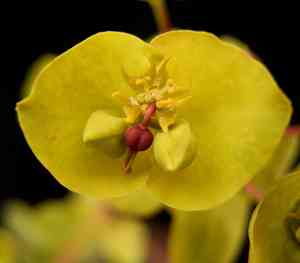
Woodland spurge flourishes optimally in adequately drained soil under conditions ranging from partial to complete shade. For successful planting, utilize newly harvested seeds directly in the ground, making sure they are gently blanketed with a fine layer of earth. Maintain consistent moisture in the area without oversaturation to avert seed decay. This approach guarantees a superior germination percentage. Regular irrigation and refraining from excessive mulching foster robust development. Employing fresh seeds annually boosts the propagation achievements for woodland spurge.
When Is the Optimal Time to Propagate Woodland Spurge?
Propagation Method
Seeding
Propagation Period
Spring
What Equipment Is Utilized for Woodland Spurge Propagation?
Growing Medium
A seed-starting mix with good drainage is vital for woodland spurge. It ensures proper air circulation and adequate moisture, essential for seed sprouting and root growth.
Seed Trays
Employing seed trays aids in organizing seeds and providing a controlled environment. They offer sufficient depth and room for woodland spurge roots to develop without crowding.
Watering Can with Fine Rose
A watering can equipped with a fine rose head ensures gentle irrigation, which helps prevent seed displacement and soil erosion. Gentle watering is crucial for maintaining the delicate conditions required for woodland spurge germination.
Mist Sprayer
A mist sprayer offers a gentle method to moisten the seedbed without disturbing the seeds or young plants. Consistent moisture is vital for the successful germination of woodland spurge.
Plastic Domes or Cling Film
Covering seed trays with plastic domes or cling film helps maintain the necessary humidity and warmth for seed germination. This creates a miniature greenhouse effect beneficial for woodland spurge.
Label Sticks
Label sticks are useful for identifying planted seeds. This ensures accurate tracking and differentiation, especially when multiple species are propagated simultaneously. Correct labeling is crucial for monitoring the progress of woodland spurge.
Heat Mat
A heat mat provides consistent bottom heat, which can accelerate germination in cooler settings. This is particularly advantageous for woodland spurge, ensuring optimal soil temperature for faster seedling emergence.
Sterile Pruners
Sterile pruners are used for trimming any excess growth during the initial stages to maintain plant health. Keeping the propagation area clean and free of disease is critical for the successful development of woodland spurge.
Tray Inserts
Tray inserts or cell packs allow individual woodland spurge seedlings to be grown in separate compartments, preventing root entanglement and simplifying later transplanting. This ensures each seedling has ample space for robust development without interference.
How to Propagate Woodland Spurge?
Propagation Difficulty
Simple
How to Care for Your Newly Propagated Woodland Spurge?
How to Care for Your Newly Propagated Woodland Spurge?
Once seedlings have emerged and developed a few true leaves, gradually introduce them to outdoor conditions by removing the cover and increasing their light exposure. Transplant them into larger containers or a suitable garden location with well-draining soil, partial shade, and protection from harsh elements. Maintain consistent watering, but avoid overwatering, as woodland spurge is prone to root rot in excessively moist conditions. Regularly check for pests and apply appropriate organic treatments as needed.
Common Errors to Avoid When Propagating Woodland Spurge
Overwatering
Excessive moisture can lead to root rot, a fungal disease that severely impacts the plant's health and reduces the likelihood of successful propagation.
Incorrect Soil Type
Using soil that retains too much water can cause drainage problems, hindering healthy root development.
Insufficient Light
Not providing enough light results in leggy growth and weak plants that are less likely to survive after propagation.
Ignoring Pest Control
Failing to monitor for pests can lead to infestations that disrupt the delicate propagation process.
Improper Cutting Technique
Using dull tools or making irregular cuts can damage stem tissues, reducing the chances of new roots forming.
Tips For Propagating Woodland Spurge
Well-Draining Soil
Utilize a soil mix that ensures good drainage to prevent waterlogging and root rot.
Right Cuttings
Take healthy cuttings from non-flowering shoots and allow them to callous over for a day before planting to reduce the risk of rot.
Indirect Light
Position cuttings in a spot with bright, indirect light to encourage strong and healthy growth.
Moderate Watering
Water the cuttings sparingly, allowing the soil to dry slightly between waterings to prevent rot.
Pest Monitoring
Regularly inspect the cuttings for any signs of pests and address issues promptly to ensure healthy growth.



