How to Prune Woodland spurge?
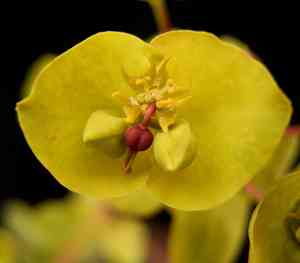
Euphorbia amygdaloides, recognized for its distinctive fleshy leaves and tiny, subtle blossoms, thrives with trimming from late winter through early spring. Essential methods involve excising deceased or ailing stalks and reducing dense clusters to boost air movement. Refrain from severe cutting, as this can harm the plant. Trimming additionally stimulates fresh, robust development and refines the plant's inherent form. Consistent upkeep assists in averting ailments, guaranteeing a flourishing and appealing garden feature.
What Are the Benefits of Pruning Woodland Spurge?
What Are the Benefits of Pruning Woodland Spurge?
Trimming woodland spurge promotes robust development and helps maintain its form. Regular cutting prevents density, improves appearance, deters pests and diseases, and supports a healthier, stronger plant structure.
What Is the Best Time for Pruning Woodland Spurge?
What Is the Best Time for Pruning Woodland Spurge?
Pruning woodland spurge during late winter or early spring is considered ideal as it aligns with the plant's growth cycle. This timing allows gardeners to shape the plant and remove any dead or damaged stems before the active growing season begins. By pruning prior to new growth, the plant can recover quickly and direct energy towards producing healthy new shoots. Additionally, since woodland spurge may have already finished blooming by late winter, pruning at this time minimizes the risk of removing flower buds, ensuring a full flowering season.
What Tools Do I Need to Prune Woodland Spurge?
Bypass Pruners
Bypass pruners are perfect for making precise cuts on live stems and branches. They are suitable for woodland spurge as they minimize harm to plant tissue, ensuring healthy development.
Sterilization Solution
Given that woodland spurge may release a milky sap when cut, a sterilizing solution is crucial for cleaning tools before and after use to prevent disease transmission.
Garden Gloves
Due to the potentially irritating sap of woodland spurge, wearing garden gloves is important to safeguard the skin.
Long-Sleeved Clothing
Similar to the need for gloves, wearing long-sleeved clothing can help protect against sap exposure while trimming.
How to Prune Woodland Spurge
Inspect
Carefully examine woodland spurge for any indications of diseased or withered leaves. Focus on areas with discolored, damaged, or dead foliage.
Prepare tools
Sanitize your pruning tools with rubbing alcohol to prevent the spread of disease. Ensure that the tools are sharp for clean cuts.
Trim diseased leaves
Begin by removing the diseased leaves. Cut them off as close to the base of the stem as possible without harming healthy tissue.
Trim withered leaves
Next, prune off any withered or dead leaves. Again, make clean cuts near the base, avoiding damage to the surrounding healthy foliage.
Dispose and clean
Dispose of all pruned material away from the plant area to prevent any disease spread. Finally, clean your pruning tools thoroughly.
Common Pruning Mistakes with Woodland Spurge
Over-pruning
Removing too much foliage can stress woodland spurge, leading to poor health and reduced flowering. Only remove what is necessary.
Incorrect cutting technique
Using dull or inappropriate tools can cause tearing or uneven cuts, which can invite disease. Always use sharp, sterilized pruning shears.
Pruning at the wrong angle
Making cuts straight across instead of at a slight angle can lead to water sitting on the cut surface, promoting rot.
Ignoring dead or diseased wood
Failing to remove dead or diseased branches can spread infections to healthy parts of the plant.
Pruning at the wrong time
Although timing guidelines are not included here, pruning during inappropriate moments can shock the plant or result in poor regrowth.
Not considering the plant's natural shape
Pruning without regard to woodland spurge's natural growth habit can lead to an unsightly appearance and impede healthy development.
Common Pruning Tips for Woodland Spurge
Use the right tools
Always use sharp, clean pruning shears to make clean cuts, reducing the risk of disease and making healing more efficient.
Make clean cuts
Ensure cuts are clean and at a slight angle, which helps water runoff and reduces the risk of rot.
Remove dead or damaged wood
Always start by removing any dead or diseased branches to prevent the spread of pathogens and to encourage new healthy growth.
Thin out crowded areas
Thin out overcrowded stems to allow better air circulation, which helps prevent fungal infections and promotes healthier growth.
Follow the natural shape
Prune woodland spurge to maintain its natural growth habit. This not only keeps the plant looking attractive but also supports its structural integrity.
Be conservative
Only prune what is necessary. Aim to remove no more than a third of the plant at a time to avoid shocking woodland spurge.



