How to Transplant Grassleaf spurge?
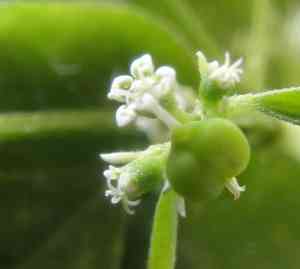
To ensure thriving development, relocate grassleaf spurge during the spring, specifically from the end of frost until the peak of flowering. Choose a location bathed in sunlight with soil that drains effectively to foster vigorous health. A gentle reminder: attentive nurturing guarantees a smooth adaptation.
What Preparations are Needed Before Transplanting Grassleaf Spurge?
What is the Ideal Time for Transplanting Grassleaf Spurge?
The prime period for moving grassleaf spurge is during the refreshing warmth of mid-spring when the ground is workable but not excessively wet. This timing promotes strong root development before summer, offering a gentle start for grassleaf spurge to flourish. By selecting this window for transplanting, you leverage the increasing daylight and moderate temperatures, which are perfect for grassleaf spurge's growth surge. It allows the plant ample time to adapt and establish a robust root system, leading to a healthier and more resilient grassleaf spurge.
How Much Space Should You Leave Between Grassleaf Spurge Plants?
When arranging your grassleaf spurge, allow approximately 12-18 inches (30-46 cm) between each specimen. This provides sufficient room for expansion and air circulation, giving your green companion the space it requires to thrive!
What is the Best Soil Mix for Grassleaf Spurge Transplanting?
For a thriving grassleaf spurge, prepare your garden with well-draining soil rich in organic matter. A balanced fertilizer can provide a slight growth boost. Imagine a 'cozy bed with just the right amount of cushions' for your plant's roots!
Where Should You Relocate Your Grassleaf Spurge?
Select a sunny location where your grassleaf spurge can enjoy at least 6 hours of sunlight daily. A spot with a combination of direct and partial sun is like a pleasant day at the park for your leafy friend!
What Equipments Should You Prepare Before Transplantation Grassleaf Spurge?
Gardening Gloves
To safeguard your hands while handling soil and plants.
Shovel or Spade
To excavate the plant and prepare a hole for relocation.
Watering Can or Hose
To hydrate the plant following transplantation.
Gardening Trowel
For precise digging and adjusting soil around the root system.
Wheelbarrow or Garden Cart
To move the plant and soil as necessary.
Pruning Shears
To carefully trim any damaged roots or foliage.
How Do You Remove Grassleaf Spurge from the Soil?
How Do You Remove Grassleaf Spurge from the Soil?
From Pot: Gently tap the container's sides to loosen the soil. Tilt the pot sideways and support the grassleaf spurge plant with one hand. Pull the pot away with a smooth motion, ensuring the soil and roots remain intact.From Ground: Water the grassleaf spurge plant to moisten the soil. Dig a wide trench around it, being careful not to harm the root system. Use a spade to lift the plant with its root ball.From Seedling Tray: Water the tray so the roots can easily slide out. Use a trowel or your fingers to separate individual grassleaf spurge plants, taking care to keep as much root and soil together as possible.
Step-by-Step Guide for Transplanting Grassleaf Spurge
Preparation
Ensure the new site is clear of weeds and debris to provide the grassleaf spurge plant with a clean environment for development.
Digging the Hole
Excavate a hole twice as wide and equally deep as the plant's root ball to encourage root expansion.
Plant Positioning
Place the grassleaf spurge plant in the hole at the same depth it was previously growing, aligning it to stand upright.
Soil Refill
Gently backfill the hole with soil around the grassleaf spurge, avoiding any air pockets by lightly pressing the soil down.
Watering
Thoroughly water the plant to settle the soil and provide moisture for the roots.
How Do You Care For Grassleaf Spurge After Transplanting?
Mulching
Apply a layer of organic mulch around the grassleaf spurge to help retain moisture and suppress weeds.
Pruning
Remove any damaged or dead leaves to direct the plant's energy towards establishing new roots.
Staking
If the grassleaf spurge is tall or in a windy location, use a stake to support the plant until it is firmly rooted.
Monitoring
Watch for pests and diseases, addressing any issues promptly to safeguard the grassleaf spurge.
Troubleshooting Common Issues with Grassleaf Spurge Transplantation.
When is the optimal time to transplant grassleaf spurge?
Relocate grassleaf spurge when the season transitions smoothly from early to late spring for optimal outcomes.
What spacing should I use when planting grassleaf spurge?
Space grassleaf spurge generously, approximately 12-18 inches (30-45 cm) apart, to allow them to flourish.
How much sun does grassleaf spurge need after transplanting?
Select a sunny location. Grassleaf spurge thrives in ample sunlight and will prosper with sufficient daily exposure.
Should I water grassleaf spurge immediately after transplanting?
Yes, water grassleaf spurge thoroughly right after moving it to ease the transition and promote root growth.
Why are my transplanted grassleaf spurge wilting?
Wilting often indicates stress. Ensure consistent soil moisture and check for root damage after relocation.
How deep should I plant grassleaf spurge when transplanting?
Plant grassleaf spurge at the same depth it was growing before, matching soil levels for comfort.
Can grassleaf spurge be transplanted on a hot day?
Transplant grassleaf spurge on a cooler, overcast day to minimize shock and keep them vibrant.
How do I prepare the soil for transplanting grassleaf spurge?
Before moving grassleaf spurge, enrich the soil with compost for nutrients and improve drainage if necessary.
Is it necessary to prune grassleaf spurge when transplanting?
Trimming grassleaf spurge isn't essential, but removing damaged foliage can encourage healthier growth post-transplant.
What should I do if grassleaf spurge doesn't thrive after transplant?
If grassleaf spurge appears unhappy, re-evaluate sunlight, watering, and soil conditions. Patience is key; they might just be adjusting!



