Enhancing Your Garden Design with the Grassleaf spurge Plant: A Landscaping Guide
1
Grassleaf spurge flourishes in bright sun to some shade, offering adaptability for various garden settings.
2
Pairing Grassleaf spurge with other long-lived plants can produce impressive visual differences.
3
Consistent trimming of Grassleaf spurge assists in preserving its form and promoting dense foliage.
Exploring the Fundamentals of Grassleaf Spurge in Garden Design
Qualities of Grassleaf spurge that enhance landscape aesthetics
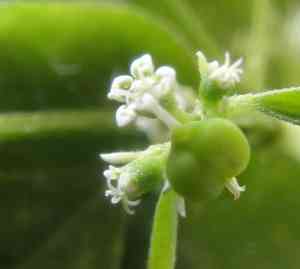
A key attribute of Grassleaf spurge is its delicate, fine-textured leaves, which impart grace and softness to any garden. Its airy, grass-like appearance makes it an appealing filler, creating a delicate backdrop that complements more vibrant, larger flowers. Furthermore, Grassleaf spurge is known for its hardiness and minimal upkeep, making it an excellent choice for gardeners seeking both visual appeal and practicality. Its tiny, star-shaped white blossoms consistently appear, adding a continuous shimmer to garden beds and borders.
Why select Grassleaf spurge for your garden projects
Opting for Grassleaf spurge in your landscaping endeavors offers several advantages. It is drought-resistant once established, leading to reduced watering and less environmental impact. Moreover, Grassleaf spurge can flourish in diverse soil types, from sandy to clay-rich, demonstrating remarkable adaptability. The plant's versatility and ease of care make it a superb option for both new and seasoned gardeners seeking a dependable addition to their planting scheme.
Ideal conditions for incorporating Grassleaf spurge into garden layouts
To successfully integrate Grassleaf spurge into your garden plan, consider its preferred growing environment. Grassleaf spurge thrives best in full sun to partial shade, ensuring it receives sufficient light for healthy development. Ensure the soil drains well, as standing water can cause root rot. Consistent watering is crucial during its initial establishment phase, after which it becomes relatively low-maintenance. Pairing Grassleaf spurge with mulch can also help retain moisture and regulate soil temperature, fostering its robust growth.
Integrating Grassleaf Spurge into Various Landscape Styles
Pairing Grassleaf spurge with other plants: Advice and techniques
To create a visually pleasing garden, combine Grassleaf spurge with other complementary plants. Its airy foliage offers a perfect contrast to broadleaf perennials like hostas or large, colorful blooms such as peonies. For a more dynamic look, mix Grassleaf spurge with plants of varying heights and textures. This can create layers of interest and depth in your garden. Additionally, consider seasonal bloomers to ensure year-round appeal and color harmony.
Design concepts for contemporary, rustic, and eclectic gardens featuring Grassleaf spurge
In modern garden designs, Grassleaf spurge acts as an elegant, subtle plant that adds a refined touch without overpowering minimalist aesthetics. For rustic gardens, Grassleaf spurge complements wildflowers and native plants, enhancing the natural, untamed appearance. In eclectic gardens, its adaptability shines as it blends effortlessly with a mix of exotic and traditional plants, bringing cohesion to a diverse plant palette. Experiment with planting Grassleaf spurge in drifts or clusters to achieve the desired visual effect.
Understanding placement and spacing for visual impact with Grassleaf spurge
Correct placement and spacing of Grassleaf spurge are vital for creating a harmonious garden landscape. When planting, consider the mature size of Grassleaf spurge and provide ample space for air circulation to prevent mildew and other diseases. For a dense, lush appearance, plant Grassleaf spurge in groups of three to five, spacing each plant approximately 12 to 18 inches apart. This density allows the plants to grow together, forming a beautiful, continuous display without overcrowding.
Seasonal Considerations for Grassleaf Spurge in Your Garden
Optimal times of year to plant Grassleaf spurge for best growth
The best periods to plant Grassleaf spurge are during early spring or late summer to fall. These times allow the plant to establish roots before the intense heat of summer or the cold of winter. Planting during these seasons gives Grassleaf spurge a head start, ensuring vigorous growth and better adaptation to its environment. In warmer climates, fall planting is particularly beneficial as it provides ample time for root development before the growing season commences.
How does Grassleaf spurge adjust to seasonal changes?
Grassleaf spurge is remarkably adaptable to seasonal shifts. In spring, its growth accelerates, producing new foliage and blooms that persist through summer. During the summer heat, it continues to thrive with minimal watering due to its drought-tolerant nature. As autumn approaches, Grassleaf spurge's foliage may exhibit a subtle color change, adding interest to fall landscapes. In winter, while it might die back in colder regions, it generally returns vigorously in the spring.
Preparations for enduring extreme weather conditions
To prepare Grassleaf spurge for harsh weather, consider applying mulch around the plant's base. This will help insulate the roots during cold spells and retain moisture during hot, dry periods. In areas prone to severe frost, adding a layer of organic mulch can protect Grassleaf spurge from freeze damage. During extended droughts, occasional deep watering ensures the plant remains hydrated. Regular pruning can also help maintain plant health by removing any damaged or dead parts, allowing Grassleaf spurge to recover more readily from environmental stress.



