How to Prune Grassleaf spurge?
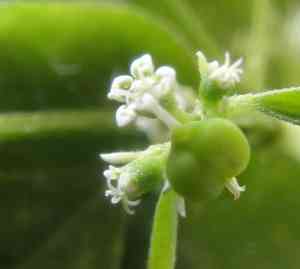
A robust, heliophilous perennial, grassleaf spurge flourishes with little attention yet profits from occasional trimming to preserve its form and stimulate denser development. Shorten elongated stalks and detach withered or discolored foliage at a joint to foster fresh sprouts. Trimming can be performed at any point throughout the year, ensuring gloves are worn since the latex might cause skin irritation. Consistent pruning deters excessive growth and could boost blooming, preserving the plant's lively charm in landscapes.
What Are the Benefits of Pruning Grassleaf Spurge?
What Are the Benefits of Pruning Grassleaf Spurge?
Trimming grassleaf spurge promotes abundant blooms, maintains a compact form, and revitalizes its growth, ensuring a strong and attractive display.
What Is the Best Time for Pruning Grassleaf Spurge?
What Is the Best Time for Pruning Grassleaf Spurge?
Pruning grassleaf spurge from late winter to early spring is beneficial because the plant is typically dormant then, minimizing stress or disease spread. Trimming before the active growth period allows for shaping and removal of damaged or diseased parts, fostering healthier growth and flowering. This timing also ensures new growth benefits from favorable upcoming conditions, leading to a vigorous, well-structured plant.
What Tools Do I Need to Prune Grassleaf Spurge?
Bypass Pruners
Perfect for making clean cuts on stems without harming the plant. Bypass pruners feature two curved blades that glide past each other like scissors, which is gentle on the stem tissue of grassleaf spurge.
Sharp Scissors
Effective for trimming small or delicate parts of grassleaf spurge that require precision. Sharp scissors can access tight spots with minimal disruption to the rest of the plant.
Gloves
Given that grassleaf spurge contains sap that can irritate skin, wearing gloves is essential as a protective measure while pruning the plant.
Eye Protection
Protective goggles or glasses are advised to shield the eyes from potential splashes of the irritating sap during pruning.
How to Prune Grassleaf Spurge
Prepare Tools
Sanitize pruning shears or scissors to prevent disease transmission when trimming grassleaf spurge.
Remove Diseased Parts
Carefully cut away any diseased leaves and branches from grassleaf spurge, making clean cuts to avoid harming healthy tissue.
Trim Withered Elements
Prune away withered leaves and dead branches, cutting back to a healthy stem or main trunk to encourage better growth and air circulation.
Eliminate Dead Flowers
Snip off faded flowers of grassleaf spurge to conserve the plant's energy and stimulate new blooms.
Dispose Of Waste
Properly dispose of all removed parts to prevent the potential spread of disease in the garden.
Common Pruning Mistakes with Grassleaf Spurge
Overpruning
Removing too much foliage at once, which can stress grassleaf spurge and lead to poor growth or increased susceptibility to disease.
Cutting Into Old Wood
Pruning into the old, woody sections of grassleaf spurge might not result in new growth, as this plant tends to rejuvenate from new wood.
Improper Tool Use
Using dull or unclean pruning tools can damage grassleaf spurge's stems and potentially introduce pathogens to the cut areas.
Ignoring Plant Shape
Failing to consider the natural form of grassleaf spurge can result in an unbalanced appearance and negatively impact its overall health.
Pruning Too Close To Stems
Cutting too close to the main stems may harm grassleaf spurge, leaving stubs that could become entry points for pests and diseases.
Neglecting Sap Cautions
Grassleaf spurge releases a milky sap when cut, which can irritate skin and eyes, so not taking precautions is a notable error.
Common Pruning Tips for Grassleaf Spurge
Sanitized Tools
Use sharp, clean pruning tools to make precise cuts on grassleaf spurge, reducing the risk of disease transmission.
Protective Gear
Wear gloves and protective eyewear when pruning grassleaf spurge to avoid contact with the irritating sap.
Selective Pruning
Prune selectively, removing only dead or overcrowded stems to maintain the plant's shape and encourage airflow.
Spring Pruning
Although seasonal information is excluded, timing can still be alluded to by advising to prune after threat of significant weather events has passed.
Light Pruning
Opt for light, regular pruning sessions for grassleaf spurge instead of severe infrequent cuts to promote consistent growth and blooming.
Cutting Angle
Make cuts at a 45-degree angle above a leaf node to encourage grassleaf spurge to branch out and become fuller.



