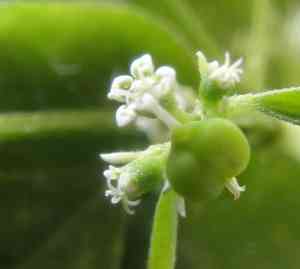
Grassleaf spurge (Euphorbia graminea)
Also known as: Grassleaf Spurge
Grassleaf spurge (Euphorbia graminea) is an annual plant capable of spreading up to 1.5 meters wide. Originating from South America, it thrives in many southern states across the United States. This spurge often appears in hammocks and lawns within warmer climates. Typically regarded as a weed, its seeds can burst open and scatter widely.
Attributes of Grassleaf spurge
Images of Grassleaf spurge
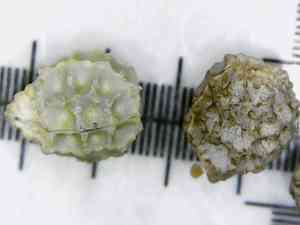

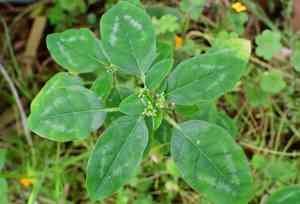
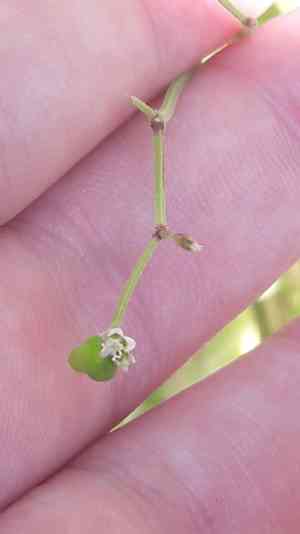
Quickly Identify Grassleaf spurge
Scientific Classification of Grassleaf spurge
Planting and Growing of Grassleaf spurge
 How to Water Grassleaf spurge?
 What Are the Sunlight Requirements for Grassleaf spurge?
 What Is the Ideal Temperature Range for Grassleaf spurge?
 What Soil is Best for Grassleaf spurge?
 How to Fertilize Grassleaf spurge?
 How to Prune Grassleaf spurge?
 How to Propagate Grassleaf spurge plant?
 How to Repot Grassleaf spurge plant?
Toxicity of Grassleaf spurge
Is Grassleaf spurge toxic to humans?
Grassleaf spurge presents a moderate toxicity threat to humans, primarily attributed to the presence of diterpene esters within its sap. Direct contact with this sap can provoke allergic reactions, and consumption may result in more serious symptoms. The whole plant is deemed toxic, especially when the sap is involved. Individuals who touch the sap might experience skin irritation or an allergic reaction. If consumed, the sap can induce symptoms such as abdominal discomfort, vomiting, and diarrhea. It is essential for individuals to steer clear of accidental ingestion and to handle the plant cautiously to avoid skin contact with the toxic sap.
Is Grassleaf spurge toxic to cat?
Grassleaf spurge exhibits a moderate degree of toxicity to felines. Cats may suffer adverse effects when they come into contact with or inadvertently ingest the plant's toxic sap. Such exposure can result in notable signs of physical discomfort, underscoring the importance for cat guardians to observe their pets vigilantly. The diterpene esters present in the sap of grassleaf spurge can pose a risk even with mere contact or ingestion. If it is suspected that a cat has encountered or consumed any part of grassleaf spurge, prompt veterinary intervention is essential to safeguard its health and welfare.
Is Grassleaf spurge toxic to dog?
Grassleaf spurge presents a moderate risk of toxicity to dogs. Canines may be poisoned by grassleaf spurge via skin exposure or accidental consumption. The toxic components are mainly found in the plant's sap, which harbors harmful substances that can result in detrimental health effects in dogs. Signs of poisoning can include vomiting, diarrhea, loss of appetite, lethargy, and irritation of the mouth and digestive system. If a dog comes into contact with or ingests any portion of grassleaf spurge, it is essential to seek prompt veterinary assistance to ensure appropriate treatment and management of the symptoms.



